The U.S. Supreme Court refused to hear an appeal by Massachusetts parents who alleged a public middle school concealed their child's name and pronoun changes, potentially violating their 14th Amendment parental rights. Lower courts dismissed the suit, with the 1st U.S. Circuit finding that using gender-affirming names or pronouns alone does not amount to medical treatment. The parents, represented by Alliance Defending Freedom, framed their objections as moral; the high court's refusal leaves the lower-court rulings intact.
Supreme Court Declines Parents' Challenge Over Massachusetts School's Handling Of Student's Name And Pronouns
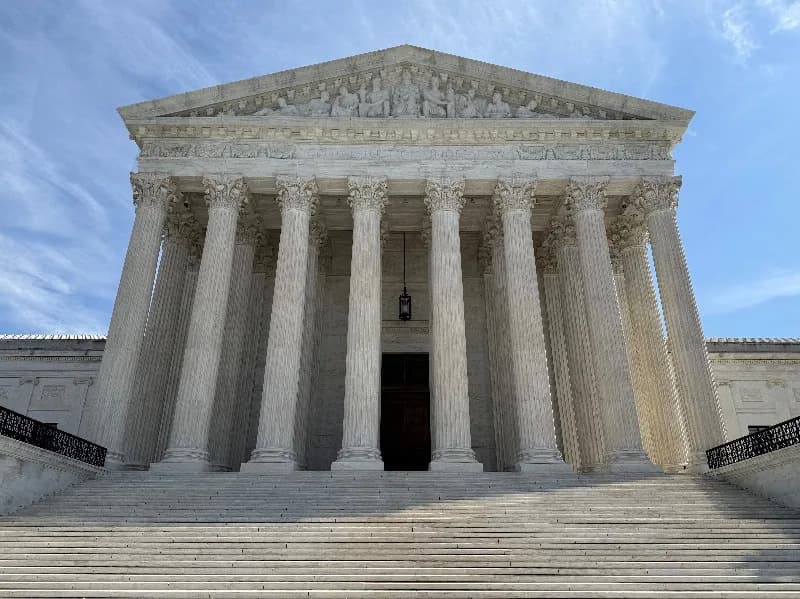
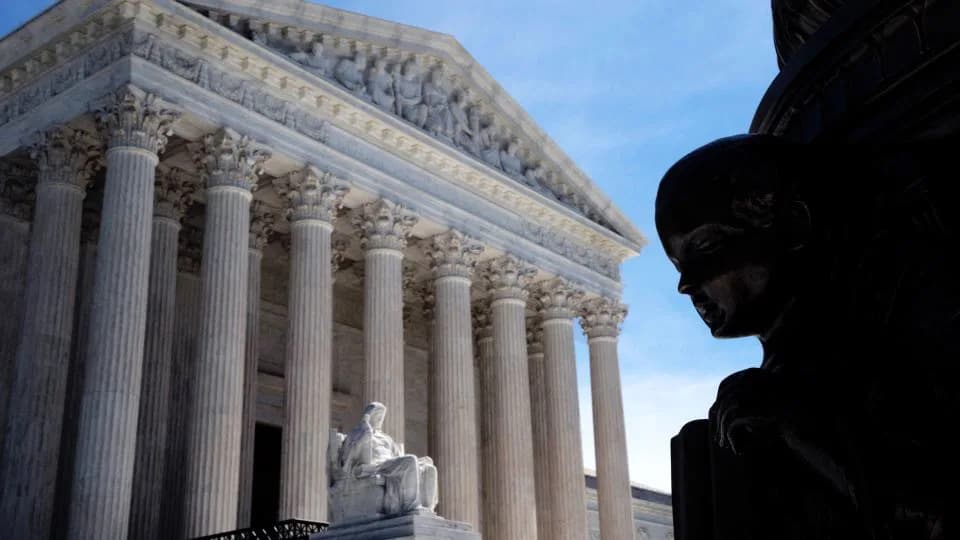
FILE PHOTO: A view of the U.S. Supreme Court building in Washington, D.C., U.S., March 14, 2026. REUTERS/Will Dunham/File Photo
The U.S. Supreme Court on Monday declined to review an appeal by Massachusetts parents who said school staff at Baird Middle School in Ludlow concealed their 11-year-old's name and pronoun changes when supporting the student’s gender identity. Lower federal courts had dismissed the suit, and the high court's refusal leaves those rulings in place.
Background
The plaintiffs, Stephen Foote and Marissa Silvestri, sued the town of Ludlow, the Ludlow School Committee and specific school officials after their child, identified in court filings as B.F., began identifying as genderqueer while attending middle school. The parents argued that school personnel treated the child as nonbinary and intentionally withheld that information from them, violating their parental rights under the Due Process Clause of the 14th Amendment.
Court Rulings
A federal judge dismissed the lawsuit in 2022. In 2025, the U.S. Court of Appeals for the First Circuit affirmed the dismissal, finding the parents had not shown that the school deprived them of their constitutional parental rights, including a right to direct medical care. The 1st Circuit also said that a school's use of a student’s chosen name or pronouns alone does not amount to providing medical treatment.
'The deference by school officials to the wishes of students about whether to disclose their gender identity to parents allows the children to express their identity without worrying about parental backlash,' the 1st Circuit wrote, adding that the protocol did not coerce students to conceal information or prevent parents from guiding their children outside school.
National Context
The Supreme Court's refusal to hear the Ludlow case follows other high-profile decisions and actions related to transgender student issues. On March 2, the justices blocked California measures that would have limited schools' ability to share information about a student's gender identity with parents without the student's consent. In 2024, the court declined similar challenges from Wisconsin and Maryland. The article notes the court's broader docket on transgender rights, including a June 2025 decision upholding Tennessee's ban on gender-affirming medical care for minors and ongoing consideration of state bans on transgender athletes in female sports.
Parties And Representation
The parents characterized the school's actions as promoting 'gender ideology' and said the so-called gender transition harmed their child, framing their objections as moral rather than religious. They were represented at the Supreme Court by Alliance Defending Freedom, a conservative Christian legal organization.
The Supreme Court did not provide an explanation for declining the appeal. With the high court's decision, the lower courts' conclusions—that the use of gender-affirming names or pronouns does not, by itself, constitute medical treatment and did not violate the parents' constitutional rights—remain controlling law in this dispute.
(Reporting by Andrew Chung in New York; Editing by Will Dunham)
Help us improve.