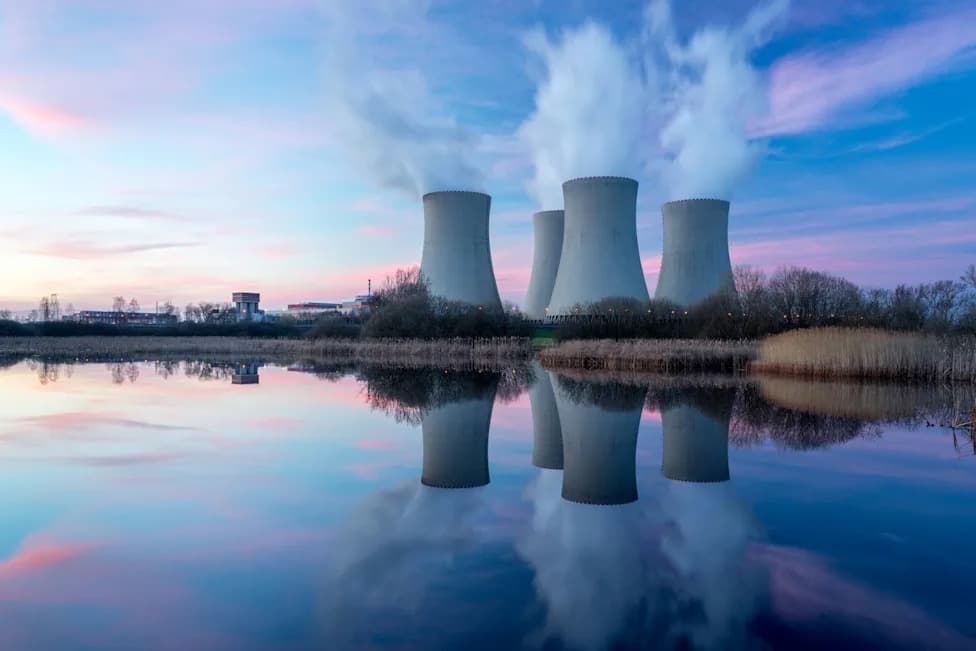
Allied governments from Europe to Asia and the Middle East are increasingly reassessing whether to rely on the U.S. nuclear umbrella or to develop their own deterrents. Regional threats—North Korea, China and Iran—remain primary drivers, but doubts about U.S. reliability and recent political rhetoric have intensified the debate. European proposals for shared deterrence, stronger public support for nuclear options in South Korea, and Saudi interest in a latent fuel-cycle capability all raise the prospect of new entrants to the nuclear club.
Going Nuclear? Why U.S. Allies Are Reconsidering the Nuclear Umbrella
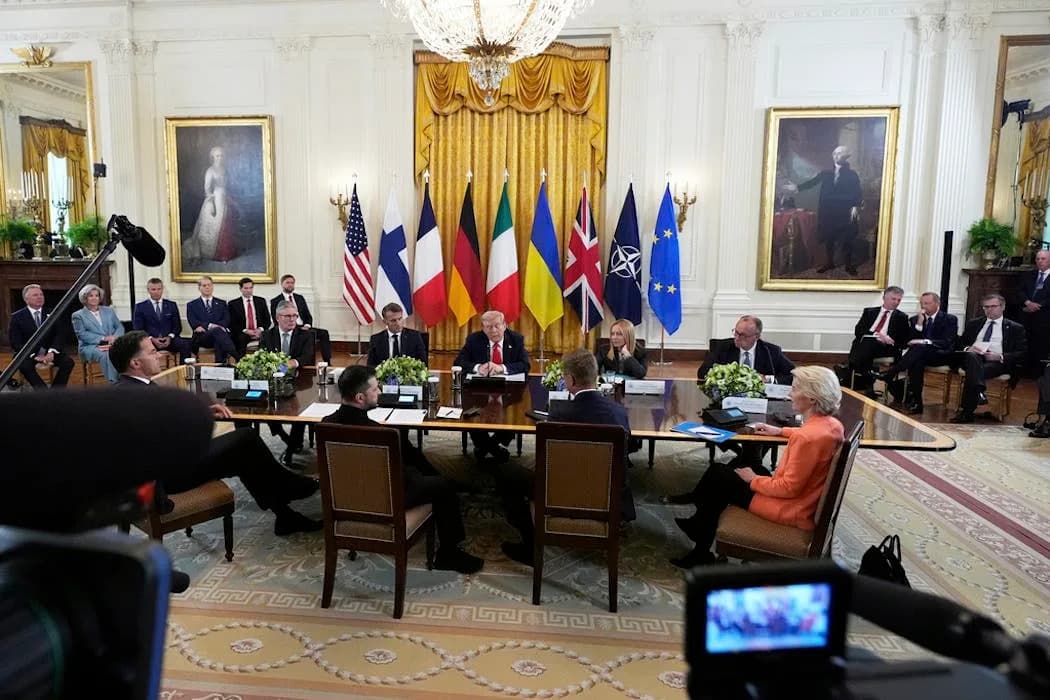
American allies contemplate a post-U.S. nuclear umbrella future.AP Photo/Alex Brandon
Allies of the United States from Europe to Asia and the Middle East are increasingly debating whether to continue relying on Washington’s nuclear umbrella or to pursue their own deterrents. Rising regional threats—North Korea for South Korea, China for Japan, and Iran for Saudi Arabia—remain central drivers, but diminishing confidence in U.S. commitments has sharpened the debate.
Why Allies Are Reconsidering Nuclear Options
The impulse to pursue nuclear capabilities remains rooted in perceived security threats. Equally important, many partners are reassessing the credibility of U.S. extended deterrence after years of political rhetoric that emphasized burden-sharing and raised questions about Washington’s consistency. As a result, conversations that once would have been taboo are now taking place in public and in government corridors.
Europe: Shared Deterrence and National Options
European discussion has focused on whether a collective solution can substitute for national arsenals. French President Emmanuel Macron has proposed a concept of "forward deterrence," including the temporary deployment of French nuclear-capable aircraft to other European states in a crisis. Paris, however, reiterates that its nuclear forces are intended to protect French "vital interests," a deliberately vague formulation that stops short of a formal guarantee to use nuclear weapons on behalf of other countries.

French President Emmanuel Macron delivers a speech at a French nuclear submarine base in Crozon, France, on March 2, 2026.Yoan Valat/Pool Photo via AP
Some NATO members are debating national contingencies. Sweden has explored wartime hosting arrangements with Britain and France. In Central Europe, speculation about Poland’s future posture has increased after remarks by Polish leaders suggesting Warsaw will pursue "the most modern solutions related to nuclear weapons," while Germany’s chancellor has publicly ruled out a German weapons program.
Asia: Japan, South Korea And Shifting Public Opinion
Japan’s postwar constitution and its "Three Non-Nuclear Principles" (not to produce, possess or host nuclear weapons) have long constrained Tokyo. Still, conversations are changing: an unnamed official in Prime Minister Sanae Takaichi’s administration reportedly suggested in late 2025 that Japan should begin discussions about the subject, a remark the prime minister publicly rebuked. Given Japan’s history as the only country to suffer wartime nuclear attacks, a Japanese arsenal remains unlikely in the short term, but policy debates about hosting U.S. weapons have surfaced.
South Korea presents a more immediate possibility. Seoul once ran a clandestine weapons program and retains relevant technical expertise. Public support for an indigenous deterrent has surged: a March 2025 poll by the Asian Institute for Policy Studies found 76% of respondents backing a domestic nuclear capability, the highest level since the survey began in 2010. Although the current administration emphasizes nonproliferation, political volatility and public opinion keep the option alive.
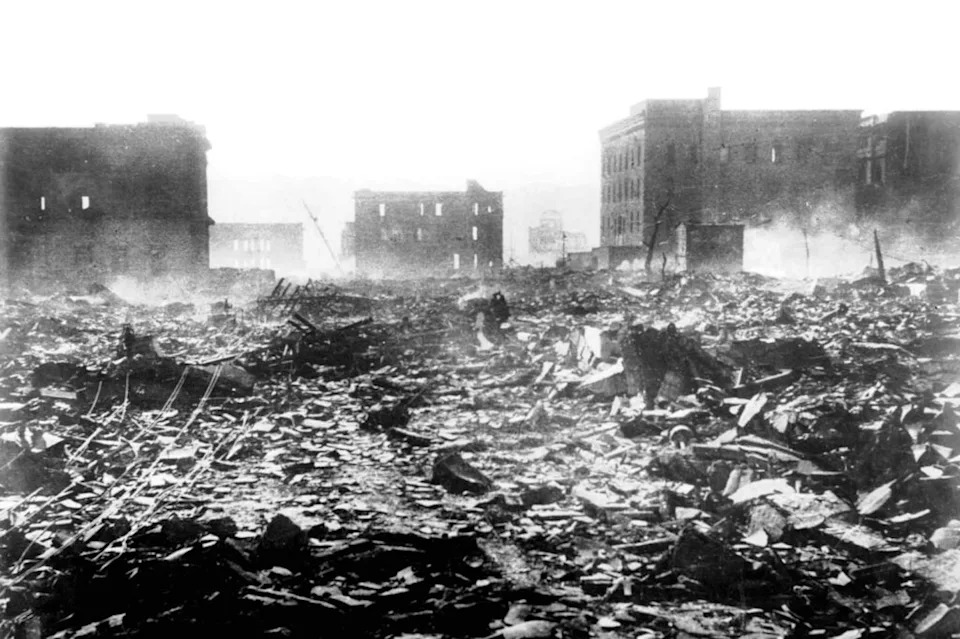
A pall of smoke lingers over a scene of nuclear destruction in Hiroshima, Japan, on Aug. 7, 1945.AP Photo
Middle East: Saudi Arabia And The Latent Option
Saudi Arabia remains the U.S. ally most openly linked to potential nuclear ambitions. Crown Prince Mohammed bin Salman has stated Riyadh would consider acquiring nuclear weapons if Iran did. More plausibly, Saudi policymakers may pursue a "latent" capability—developing enrichment and other fuel-cycle technologies and technical know-how that would allow rapid weaponization if political leaders decided to do so.
Complicating Middle Eastern dynamics, Pakistan’s defense ministry announced in September 2025 that Islamabad could extend a nuclear deterrent to Saudi Arabia if necessary. If credible, such commitments could reduce Riyadh’s urgency for formal U.S. guarantees and provide time to build a latent capability.
U.S. Policy, Civilian Nuclear Deals, And Proliferation Risks
U.S. civilian nuclear cooperation matters. The most restrictive form of U.S. civil-nuclear agreement—the so-called "gold standard" 123 agreement—prohibits enrichment and reprocessing, limiting pathways to weapons-relevant capabilities. If Washington is willing to negotiate agreements that permit enrichment for civilian reactors, that policy shift could lower technical barriers for allies.
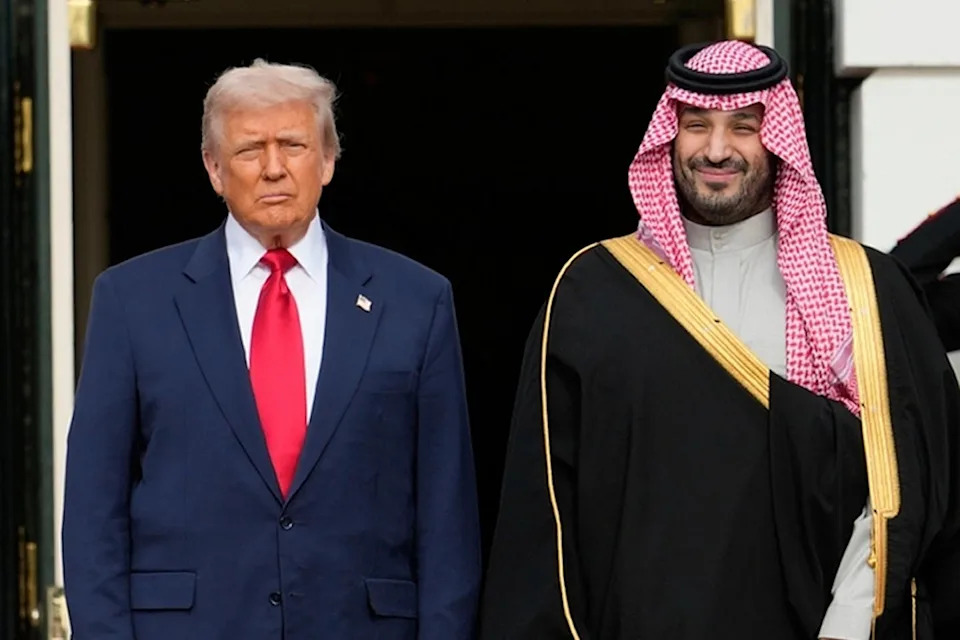
President Donald Trump stands with Saudi Arabia’s Crown Prince Mohammed bin Salman on his visit to the White House on Nov. 18, 2025.AP Photo/Mark Schiefelbein, File
Members of the U.S. Congress expressed concern in late 2025 about resumed talks with Saudi Arabia that might allow Riyadh greater access to nuclear technology and enrichment capability—an example of how civilian cooperation and security assurances intersect with proliferation risk.
Risks And Implications
New national or regional nuclear capabilities would complicate global arms control, heighten regional tensions, and increase the risk of arms races and miscalculation. They would also strain nonproliferation institutions and treaties that have sought to limit the spread of nuclear weapons for decades.
Conclusion
Recent public debates and political signals from multiple U.S. allies suggest that the long-standing assumption—non-nuclear allies can safely rely on American extended deterrence—no longer holds uniformly. Whether these discussions lead to more robust allied cooperation, renewed diplomatic efforts to reassure partners, or actual proliferation will depend on political choices in Washington, allied capitals, and rival states across regions.
About the author: Amy McAuliffe, University of Notre Dame. This article is republished from The Conversation.
Help us improve.