The fragile ceasefire between the US and Iran has prompted a tentative return of expatriates to Dubai as schools and offices resume in-person activity. Some families who evacuated are coming back, while others remain cautious and are making contingency plans. Migrant workers faced pay cuts and limited options to leave, and logistics and pet-relocation firms reported big spikes in outbound activity during the crisis. Authorities said private schools and school bus services will restart on Monday.
Cautious Return to Dubai as Ceasefire Holds — Schools and Offices Reopen

Sandy Zanella said her holiday in Italy has given the kids the opportunity to practice their Italian.Courtesy of Sandy Zanella
The cautious return to Dubai is underway after a fragile ceasefire between the US and Iran. With relative calm returning to the skies, private schools and many workplaces are resuming in-person activity while some expatriate families who left temporarily are making their way back — albeit with measured caution and contingency planning.
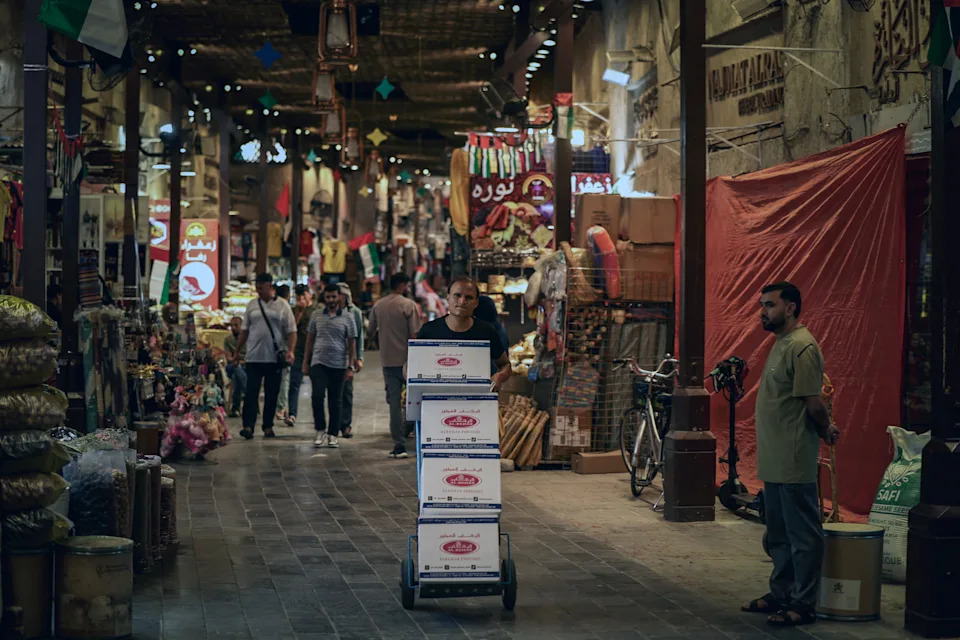
Dubai's Old Souk, a traditional market, photographed in April 2026.FADEL SENNA / AFP via Getty Images
What’s Happening
It has been just over a week since a ceasefire was announced between the US and Iran. The Knowledge and Human Development Authority (KHDA) has said private schools and higher-education institutions will resume in-person classes and school bus services from Monday. Employers and employees are also shifting from remote work toward more face-to-face meetings.

JWI CEO and founder Charli Wright says it's important that business leaders in the UAE create stability for the whole team.Courtesy of JWI/Charli Wright
Voices From the Expat Community
Sandy Zanella, a doctor and mindfulness coach who moved to Dubai from the United States more than five years ago, left for Italy two weeks after hostilities began. After speaking with friends in Dubai and assessing the situation, she decided to return with her two children. "The uncertainty of things is kind of heavy, but what can we do?" Zanella said, adding that she still feels privileged to have had the option to leave temporarily.

Chantelle Thompson, pictured here at Dubai Aquarium & Underwater Zoo recently.Courtesy of Chantelle Thompson
Charli Wright, CEO of Dubai marketing agency JWI, said her team returned to the office after several weeks of remote work because clients are requesting in-person meetings. Chantelle Thompson, who relocated from the UK in January, stayed in Dubai throughout the crisis and described life as largely "running as normal," though her family is still taking care with final relocation steps such as arranging visas and pet transfers.

Sandy Zanella said she is excited to go back to her life in Dubai, despite the uncertainty.Courtesy of Sandy Zanella
Impact On Migrant Workers
Not everyone was able to leave. Migrant workers, many employed in construction, delivery and driving roles, faced hardship during the escalation: some reported salary cuts and fewer options to return home. Jason Nemerovski, a researcher at Equidem, said workers' decisions to depart are often driven by desperation rather than choice.
Relocations, Shipments And Pets
Relocation and logistics firms recorded sharp spikes in activity during the crisis. Send My Bag reported a 543% increase in outbound shipment orders from the UAE since March 1; inbound shipments fell about 50% in the first week of the conflict. Adam Ewart, Send My Bag’s CEO, noted many outbound orders were small — suggesting temporary moves — although some larger consignments pointed to permanent departures.
Pet relocation services were also busy in March. Antonio Masih of Pawsome Friends said the company received up to 70–80 daily inquiries to move pets out of the UAE during the peak of the crisis; demand has eased significantly since the ceasefire.
Numbers And Broader Trends
The Financial Times, citing official estimates, reported roughly 30,000 British residents left the UAE since the start of the conflict, though it is too early to determine how many departures will be permanent. Expats still make up around 90% of Dubai’s population, according to UAE government figures, which helps explain the global interest in developments there.
Looking Ahead
For many families and service providers the focus has shifted from immediate reactions to contingency planning. Angus Gibson of Treberys Private said families are evaluating how to preserve stability for children — whether by staying with stronger local support or arranging temporary alternatives until the situation stabilizes further. While some expats are returning, others remain cautious about full-time school attendance and longer working hours until they feel the ceasefire is secure.
Bottom line: Dubai is beginning to return to a more normal rhythm, but uncertainty remains. Many residents are cautiously resuming life while preparing fallback plans if the regional situation changes.
Help us improve.