Kabul’s municipal government has accelerated long-stalled road projects, constructing roughly 450 km (280 miles) of roads in 4½ years and expropriating more than 11,000 properties. Projects are municipally funded — officials say the city raised over 28 billion afghanis and paid more than 1.2 billion afghanis in recent compensation — but many residents were ordered to demolish their own homes and parts of a 200-year-old cemetery were exhumed. Authorities argue the work will ease severe congestion and create jobs, while critics call for clearer, fairer compensation and resettlement procedures.
Kabul’s Rapid Road-Building Displaces Homes — Even Exhuming Centuries-Old Graves
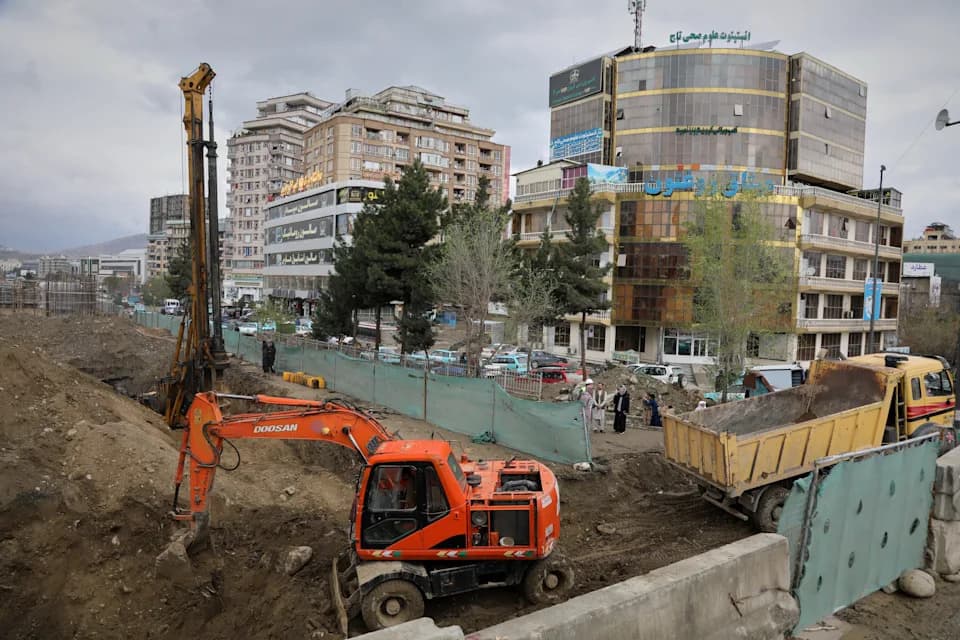
An overpass is under construction in Baraqi square in Kabul, Afghanistan, Thursday, April 2, 2026. (AP Photo/Siddiqullah Alizai)(ASSOCIATED PRESS)
The door that once opened onto a family room now looks out on empty space. Floors, walls and the roof of Syed Murtaza Sadar’s home in Kabul have been torn down, and the barber shop and public bath that supported his extended family are reduced to bricks and rubble. Sadar and other residents say they were ordered to demolish much of their own property to make way for a widened road.
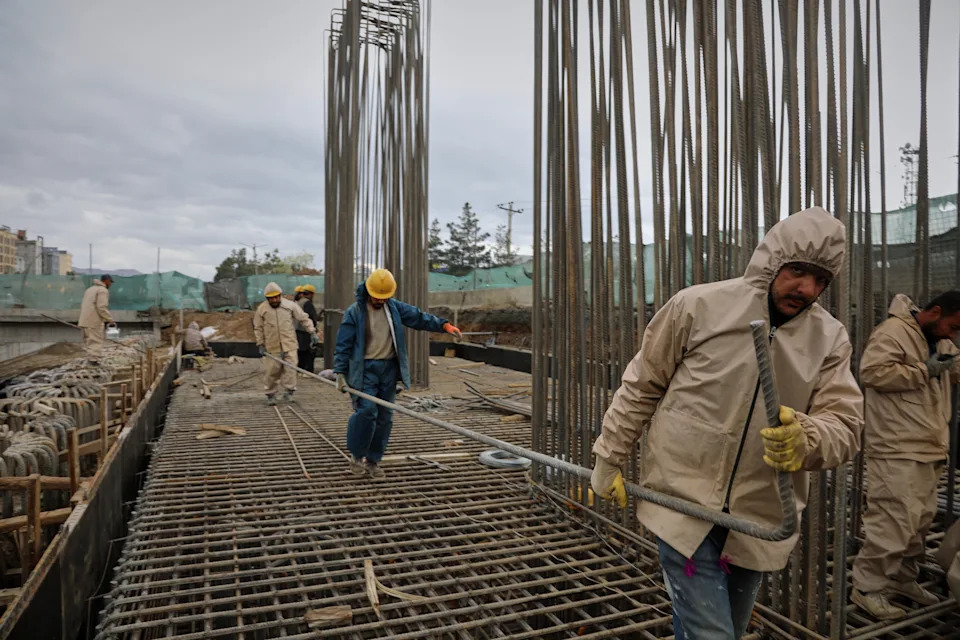
Afghan workers labor on the construction of an overpass in Baraqi square in Kabul, Afghanistan, Thursday, April 2, 2026. (AP Photo/Siddiqullah Alizai)(ASSOCIATED PRESS)
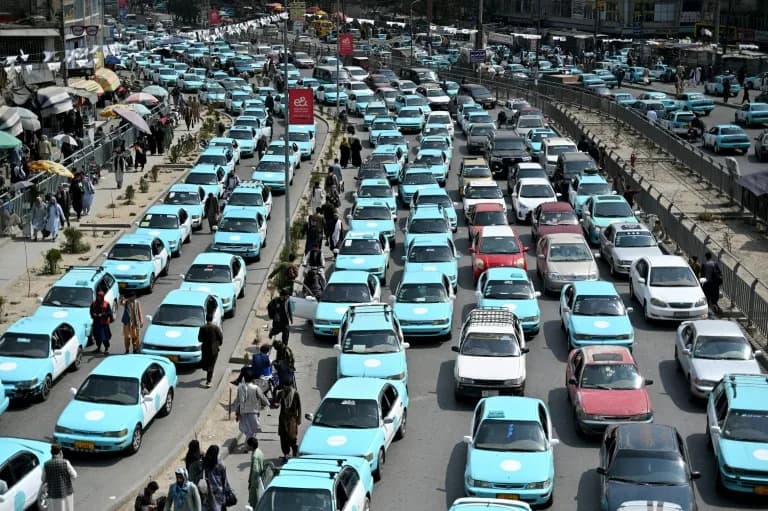
Municipal authorities say the work is part of an ambitious program to modernize Kabul’s congested streets: in the past four-and-a-half years the city has built roughly 450 kilometers (280 miles) of roads and expropriated more than 11,000 properties. Officials also report the municipality has raised over 28 billion afghanis (about $434 million) and paid more than 1.2 billion afghanis (about $18.6 million) in compensation in the past year.
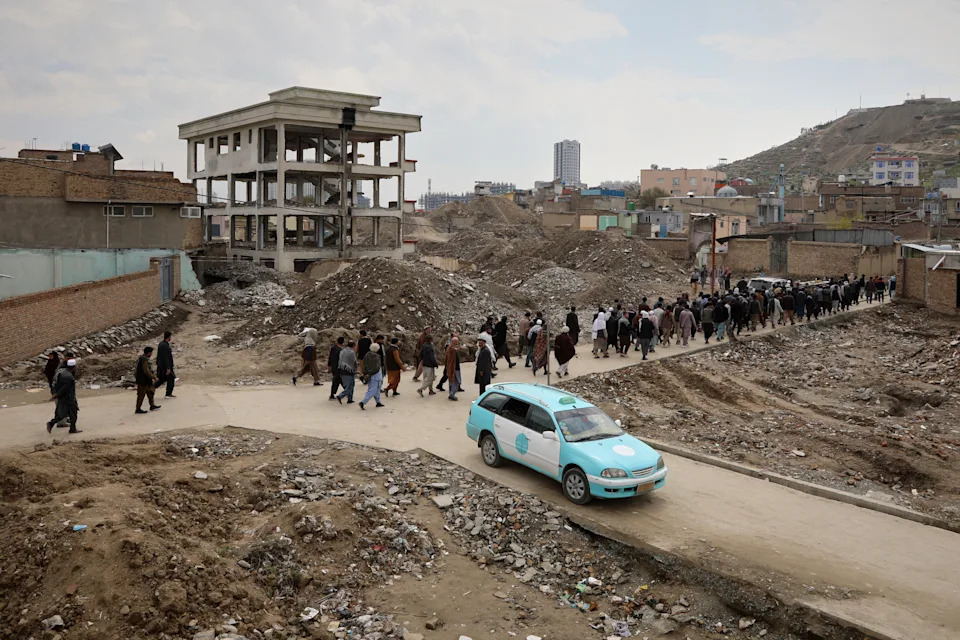
Mourners walk in a funeral procession past rubble left after buildings were demolished to widen the streets in Kabul, Afghanistan, Monday, April 6, 2026. (AP Photo/Siddiqullah Alizai)(ASSOCIATED PRESS)
Projects Revived, Residents Displaced
Many of the road plans were drafted years ago under the previous U.S.-backed government but stalled amid bureaucracy, corruption and security concerns. After the Taliban seized power in 2021, Kabul’s municipal authorities revived and accelerated the projects. The city says the work is funded entirely from municipal revenues and that 233 additional projects have been planned this year with about 1.9 billion afghanis (roughly $29 million) allocated.
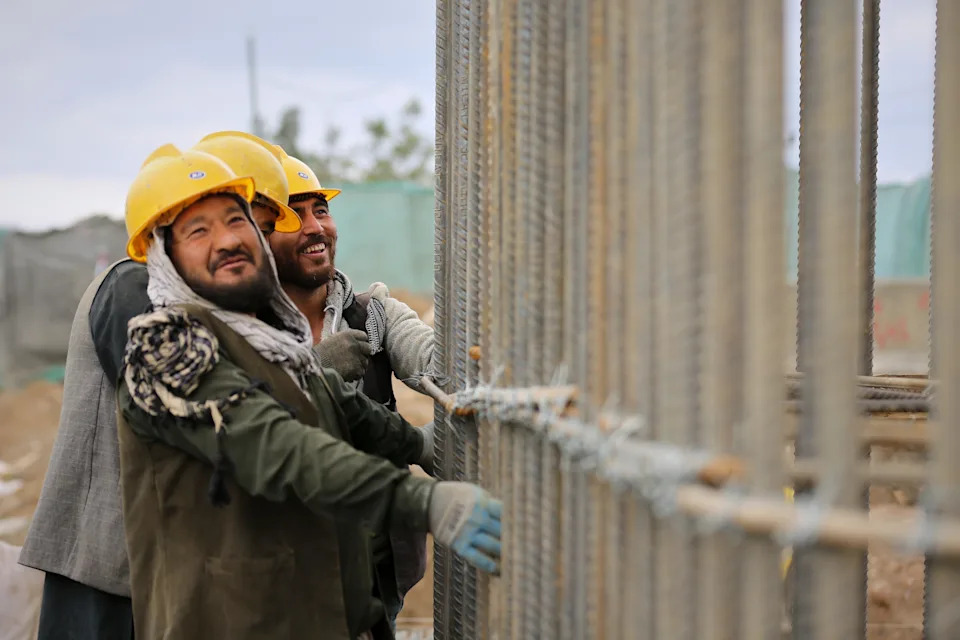
Afghan workers labor on the construction of an overpass through downtown Kabul, Afghanistan, Thursday, April 2, 2026. (AP Photo/Siddiqullah Alizai)(ASSOCIATED PRESS)
Human Cost and Local Reactions
Residents describe blunt, rushed processes. Property owners are reportedly given about three months’ notice and compensated at municipal rates, but dissent is limited. Sadar, 25, said his business employed some 25 people and supported five households. Forced to live in rented accommodation after demolishing their own home, his family is drawing down savings while hoping compensation will allow them to rebuild.
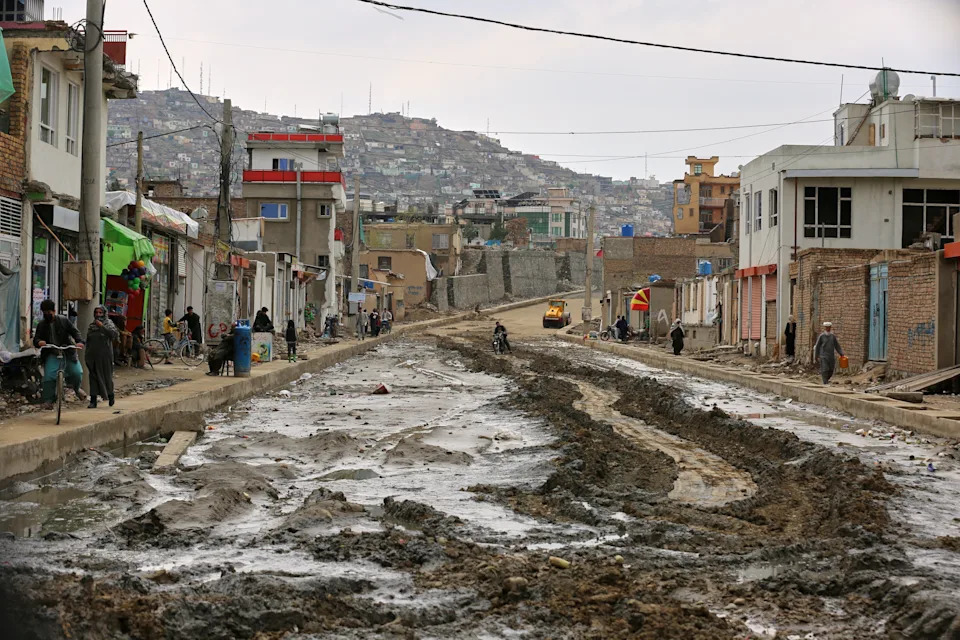
People walk on the sidewalk of a road under construction in Kabul, Afghanistan, Thursday, April 2, 2026. (AP Photo/Siddiqullah Alizai)(ASSOCIATED PRESS)
“This was our house and now I am destroying it with my own hands,” Sadar said, pausing from pulling down a brick wall. “It will be very difficult for us.”
Major Infrastructure Works Underway
At the Baraki intersection, crews are building a Turkish-designed flyover and a 470-meter (1,540-foot) underpass with a combined cost around 1.5 billion afghanis (about $23 million). Project manager Obaidullah Elham said the underpass was about 80% complete and that around 500 workers — both skilled and unskilled — are employed on the project.
Graves Moved, Communities Altered
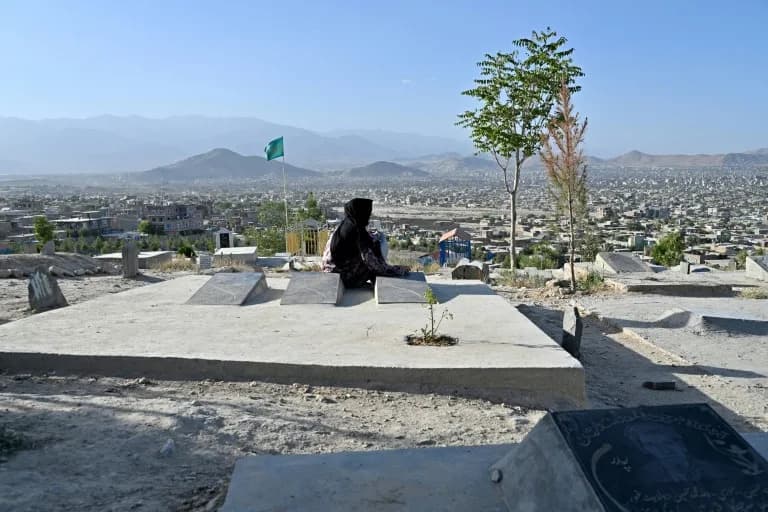
In Qala-e-Khater, a portion of a roughly 200-year-old cemetery was cut through to make way for a road. Large rectangular pits show where remains were exhumed and reburied across the street. Abdul Wadood Alokozay, 21, said his grandfather’s body was among those moved. His extended family had three properties in the area — a girls’ madrassa and two family homes — all of which were seized and razed; they received about $13,000 in compensation for the buildings and were promised additional land payments.
Some community representatives say the road is long overdue and will improve transport links between east and north Kabul, but residents and humanitarians may question the pace, transparency and adequacy of compensation and resettlement.
Looking Ahead
Municipal officials present these works as essential to easing crippling traffic congestion and creating jobs. Residents who stand to benefit from improved roads acknowledge potential long-term gains, yet many who have lost homes, livelihoods or ancestral burial sites face uncertain and often painful transitions.
Help us improve.