Congress approved a 10-day extension of Section 702 after House Republicans blocked an 18-month, clean reauthorization. The temporary measure — expected to be signed by President Trump — keeps the surveillance authority in force through April 30 while lawmakers renegotiate a longer-term deal. The dispute highlights a GOP split between lawmakers prioritizing national security tools and those demanding stronger privacy safeguards, and the Senate may step in with alternative options if the House cannot reach consensus.
GOP Split Forces Short-Term FISA Patch After House Rejects 18‑Month Renewal
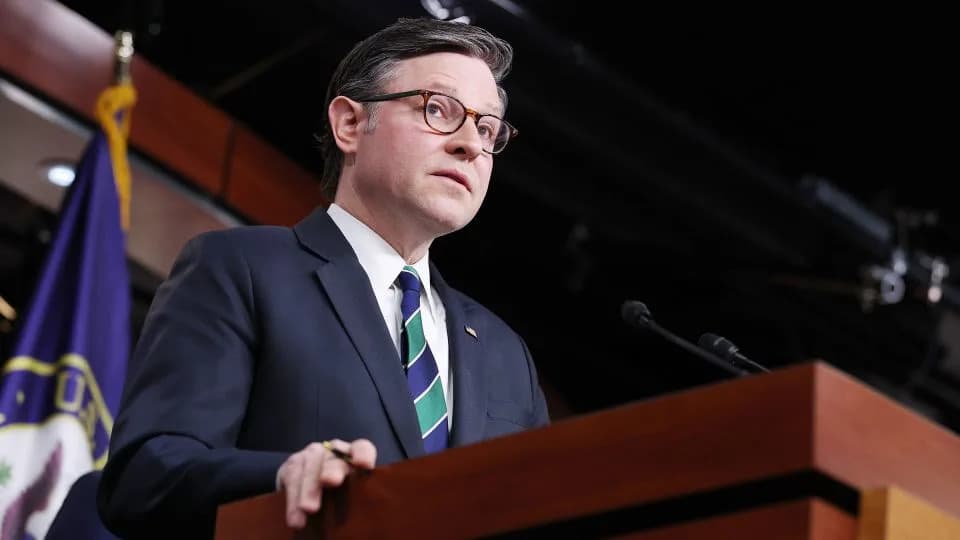
Speaker of the House Mike Johnson speaks during a news conference at the US Capitol on March 17, 2026. - Anna Moneymaker/Getty Images
Congress on Friday approved a short-term, 10-day extension of Section 702 of the Foreign Intelligence Surveillance Act after House Republican holdouts blocked an 18-month, clean reauthorization favored by party leaders and the White House. The stopgap measure now goes to President Donald Trump, who is expected to sign it, keeping the authority in place through April 30 while lawmakers resume negotiations.
What Happened
Late-night votes in the House exposed fractures within the GOP. Leadership had negotiated a deal to extend surveillance authorities for a longer period with some reforms, but more than a dozen rank-and-file Republicans opposed the package in after-midnight roll calls, ultimately preventing the 18-month reauthorization from advancing.
Why It Matters
Section 702 authorizes U.S. officials to collect communications of foreign targets — including phone calls and text messages — but can incidentally capture Americans' communications in the process. National security officials say the statute is essential for preventing terror plots, disrupting fentanyl shipments and stopping ransomware attacks. Civil liberties advocates, on both the left and the right, warn that stronger safeguards are needed to protect Americans' privacy.
Key Players And Positions
Sen. Ron Wyden, a long-time critic of Section 702, considered blocking the House-passed stopgap in the Senate but ultimately declined after House members said a brief extension would increase the chances of meaningful reform. Senate Majority Leader John Thune signaled the upper chamber may prepare alternatives, including a possible three-year clean extension, saying the Senate must keep options open to avoid an intelligence gap.
House Speaker Mike Johnson called FISA "a critical national security tool" and said the short extension provides time to "thread the needle" between security needs and constitutional protections.
Some conservative Republicans demanded the chance to consider an amendment requiring a warrant before querying Americans' communications that are incidentally collected under Section 702 — a proposal leadership and the White House resisted. Rep. Andy Ogles, one of the opponents of the leadership deal, criticized the process after the vote, reflecting anger among some holdouts.
What’s Next
The 10-day extension buys Congress time to negotiate a longer-term solution. If lawmakers fail to reach agreement before the stopgap expires, the Senate has indicated it may take the lead with its own proposals. National security officials have warned of intelligence blind spots if the authority lapses, and civil liberties groups are pushing for stronger privacy protections in any reauthorization.
Note: The brief extension remains subject to the president's signature. Lawmakers and national security officials are expected to continue negotiations in the coming days.
Help us improve.