The article argues the Trump administration lacks a coherent political strategy, citing J.D. Vance’s ill-timed trip to Hungary and a delayed, fragmented response after airstrikes as key examples. Polling shows many Americans — including independents and a sizable share of Republicans — do not understand the administration’s objectives. The writer warns that underplaying the catastrophic risk of a nuclear-armed Iran is a grave error and urges disciplined, coordinated messaging to restore public support and protect political standing.
Does Trump Have a Coherent Political Strategy? Why Recent Moves Undermine His Message
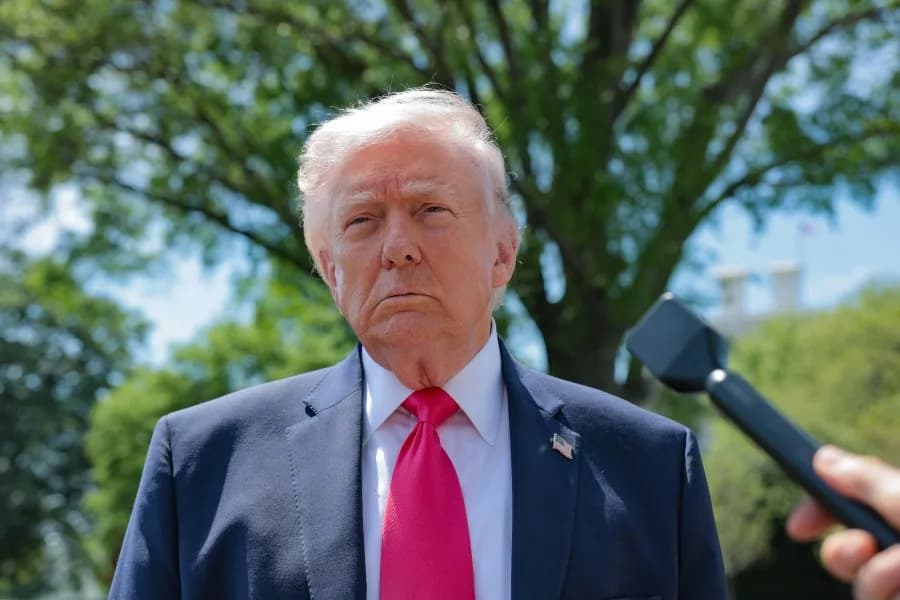
Voters routinely resist outside interference. From school boards to national elections, incursions by perceived outsiders often provoke backlash — a basic lesson of political campaigns that appears to have been overlooked in recent Republican maneuvers.
Vance’s Trip To Hungary: A Political Misstep
Vice President J.D. Vance’s high-profile trip to Hungary to support Viktor Orbán was puzzling and strategically risky. Orbán trailed in the polls, and the intervention invited humiliation when the endorsed campaign lost decisively. It was unclear how an American politician with no family ties to Hungary and no command of the language would move local voters — and it is equally unclear whether Orbán wanted the optics.
That foreign intervention did real political damage at home: one of President Trump’s most valuable brand assets is his image as a winner, and a high-profile international defeat undercuts that perception. The trip also diverted attention and personnel at a moment when the administration needed to focus on urgent domestic and international priorities.
Communications Failure Over Iran
Perhaps more consequential than the Hungary episode is the administration’s muddled communications on Iran. Public support is the foundation of any durable presidential policy; failing to secure it weakens even the strongest objectives. Waiting five weeks to address the nation after airstrikes began forfeited an opportunity to set the narrative and present clear aims.
The White House does publish its objectives online, but those messages have been drowned out by frequent detours into distractions. A concerted, cross-platform PR effort — involving the president, senior officials and allied voices in traditional and new media — was the obvious next step after military action. That effort did not happen rapidly or coherently.
What The Polls Reveal
Polls reflect the communication problem. An April 6 YouGov survey found only 17% of respondents said they understand the administration’s objectives “very well.” Even among Republicans, just 29% reported understanding them “very well,” while 41% said they only “somewhat” understand and 30% said “not at all.” Two-thirds of independents reported not understanding the goals. For a president with a powerful direct line to the public, those figures are alarming.
The Nuclear Risk That Needs Clear Messaging
Another strategic failure is underplaying the catastrophic risks associated with a nuclear-armed Iran. Analysts estimate that a single 60-kiloton surface detonation over a dense urban area such as Tel Aviv could kill more than 125,000 people instantly and spread radioactive fallout across hundreds of miles. Multiple strikes could cause millions of immediate deaths, widespread contamination, and serious climate impacts.
Iran’s stated hostility to Israel, its support for proxy militias, and its ballistic missile capabilities make the potential threat real. Treating the risk as self-evident and assuming public support will follow is a dangerous gamble. Even a modest probability of deliberate attack or catastrophic miscalculation should be presented with clarity and urgency.
How The Administration Should Respond
Style is not strategy. President Trump’s brash, improvisational approach can dominate headlines, but it does not substitute for disciplined, consistent messaging. The administration should:
- Prioritize a clear, repeated statement of objectives tied to concrete policy outcomes;
- Coordinate a rapid communications campaign after major actions to shape the narrative;
- Use credible experts to convey the scale of threats — including quantified risks when appropriate — to build public understanding and support;
- Limit needless international forays that produce little benefit and risk damaging the administration’s core political assets.
Political Stakes
The first midterm of a presidency is normally difficult, and the narrow Republican majority in the House appears vulnerable. A satisfactory resolution of the Iran crisis could help, but political gains will be limited without broad public understanding of the stakes. Success in politics requires delivering on popular issues, and that demands a clear strategy and the discipline to execute it.
About the author: Keith Naughton is a longtime Republican political consultant, co-founder of Silent Majority Strategies, and a former campaign consultant in Pennsylvania.
Help us improve.