The House approved a 10-day extension of FISA, moving the expiration to April 30 while Congress debates changes to Section 702. Lawmakers are split: some want a warrant requirement before searching Americans' data incidentally collected under Section 702, while the White House and House Republicans favor a clean extension. Sen. Ron Wyden is urging reforms, warning that AI increases surveillance risks. The bulletin also notes WMATA Red Line summer closures and other brief news items.
FISA Extended 10 Days as Lawmakers Clash Over Section 702 Privacy Reforms
FISA Reform Blues
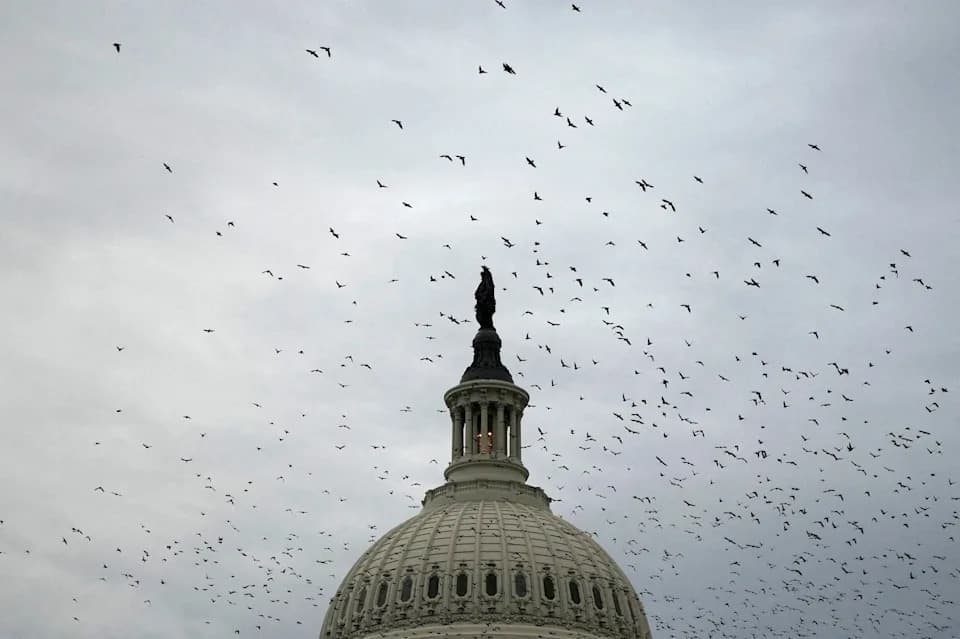
The House voted early Friday to push the scheduled expiration of the Foreign Intelligence Surveillance Act (FISA) back by ten days, extending the law through April 30 while lawmakers negotiate whether to add privacy safeguards to Section 702.
What's At Stake
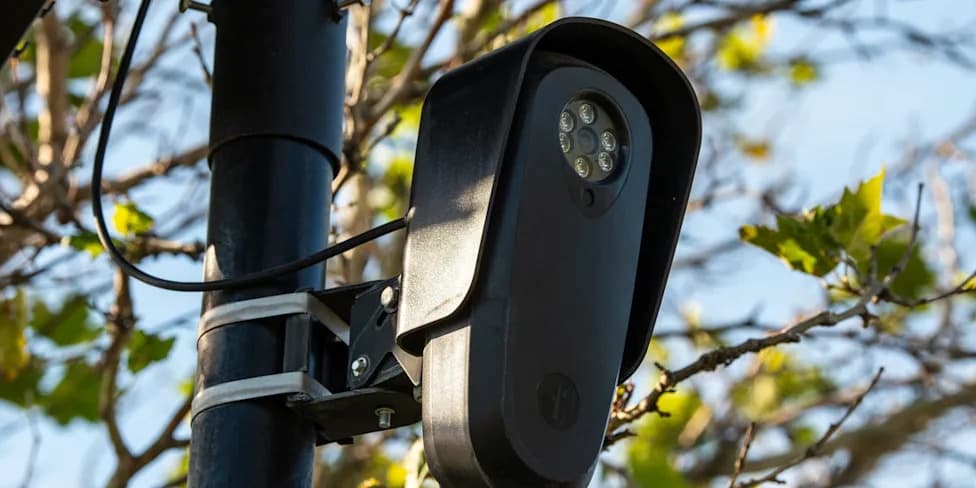
The short-term extension keeps FISA in force past its original Monday deadline. Section 702 permits the federal government to collect the communications of foreigners and the Americans who communicate with them without first obtaining a warrant. The current debate centers less on the initial collection and more on whether the government should need a warrant to search or query Americans' data gathered under Section 702.
Some House Republicans are pressing for amendments to require a warrant before searching Americans' information that was incidentally collected under Section 702. By contrast, the White House and House Republicans have urged a "clean" reauthorization—an extension without added privacy constraints—arguing that changes could hamper intelligence operations.
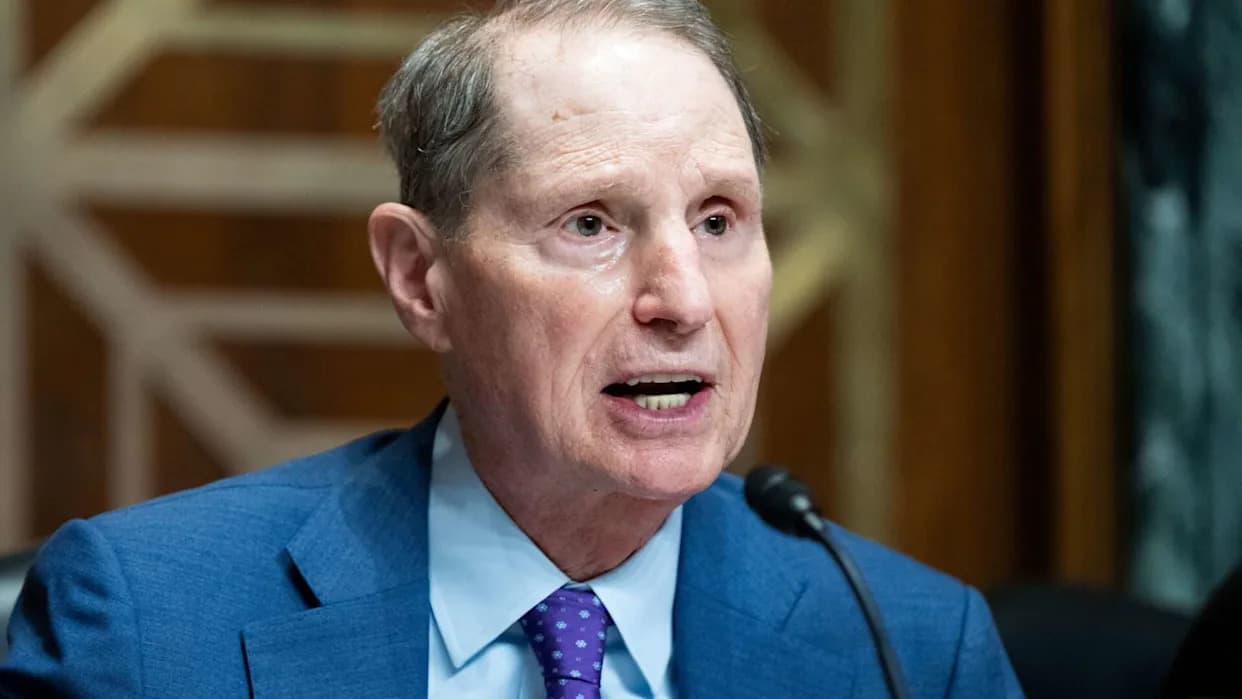
"With recent developments in AI supercharging how the government can surveil Americans, Congress must use this upcoming debate to make necessary reforms to all our surveillance laws," wrote Sen. Ron Wyden (D–Ore.) in a letter to Senate colleagues obtained by Politico.
Wyden, a long-time FISA reform advocate, is urging Democrats in the Senate to oppose a straight reauthorization and press for reforms that account for the growing capabilities of artificial intelligence to enhance government surveillance.
Other Headlines From Washington And Beyond
Meanwhile, the Washington Metropolitan Area Transit Authority (WMATA) announced that several Red Line stations will close for repairs from June through September, prompting summer commuting disruptions. Health and Human Services Secretary Robert F. Kennedy Jr. offered an unusually libertarian view on raw milk. The newsletter also flagged an eyebrow-raising headline and a publicity stunt by former President Donald Trump—who called his DoorDash-to-the-White-House promotion for a 'no tax on tips' policy "a little tacky."
Elsewhere in the news: Norway is piloting robotic buses, and reports indicate Hezbollah appears to be maintaining a truce with Israel.
Bottom line: The immediate extension buys time for lawmakers to negotiate whether to tighten privacy protections for Americans whose communications may be incidentally collected under Section 702—an issue made more urgent by advances in AI-driven surveillance.
Help us improve.