Eye color is determined by melanin levels in the iris, but a single genetic switch is not the whole story. While the SNP rs12913832 in HERC2 regulates OCA2 — a major driver of melanin production — a University of Toronto study of nearly 5,500 people found many exceptions. Additional genes (TYR, TYRP1, SLC24A4, SLC45A2, TSPAN10, IRF4 and variants within OCA2) can boost or reduce pigment, producing unexpected blue, green, hazel or brown eyes. The result is a polygenic, regulatory network that fine-tunes iris pigmentation.
Why Your Eye Color Isn’t Just One Gene — The Surprising Genetics Behind Blue, Green and Brown Eyes
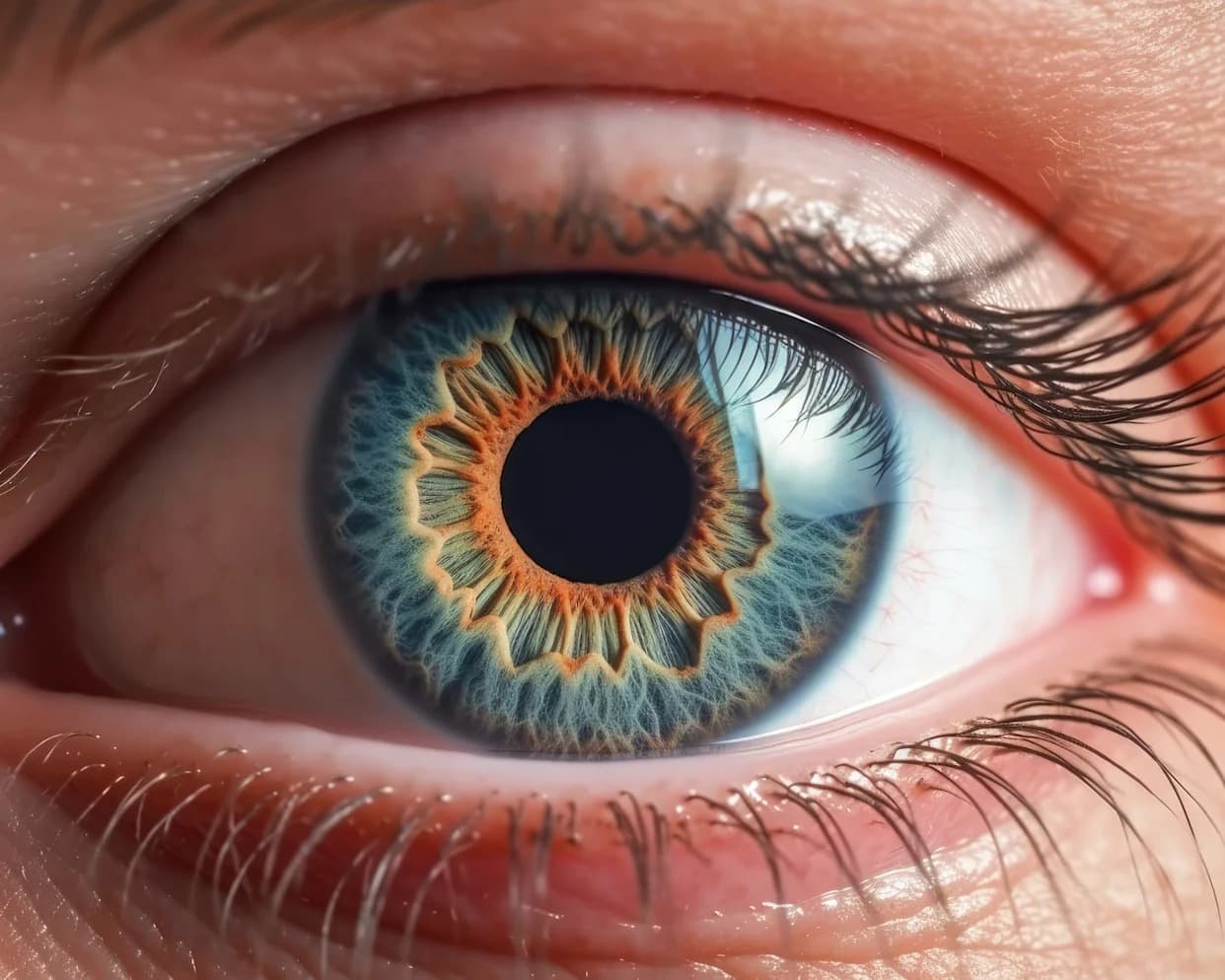
Eye Color Is More Complicated than We ThoughtKTSDesign/SCIENCEPHOTOLIBRARY - Getty Images
Human eye color is one of the most visible examples of how genes shape appearance — yet it’s more complicated than a single switch. The color of your iris comes down to melanin: more melanin produces darker eyes, less melanin produces lighter eyes. But many genes and regulatory variants work together to tune how much melanin your iris makes.
Melanin, Genes and the 'Switch' Everyone Talks About
Geneticists long pointed to a single nucleotide polymorphism (SNP), rs12913832, located in the HERC2 gene, as a major determinant of eye color. That SNP acts as a regulatory switch for the neighboring OCA2 gene, which helps produce melanin. The two common alleles at rs12913832 (often labeled A and G) tend to push pigmentation in opposite directions: the A allele boosts OCA2 activity and melanin production (favoring brown eyes), while the G allele reduces OCA2 activity (favoring blue eyes).
But Genotype Doesn’t Always Predict What You See
A University of Toronto study of nearly 5,500 people compared genotypes with self-reported eye color and found many mismatches. Some people with the genotype that usually predicts blue eyes had darker eyes, and some with genotypes that typically predict brown eyes had lighter colors. These exceptions show that rs12913832 is important but not the whole story.
Modifiers That Nudge Pigment Up Or Down
The researchers used a genome-wide approach to identify additional variants that modify iris pigmentation. In cases where people with the 'blue' genotype (GG) had darker eyes, variants were found in genes that either help synthesize melanin (TYR, TYRP1) or transport pigment precursors into melanosomes (SLC24A4, SLC45A2, TSPAN10). These variants can compensate for a weak OCA2 signal and boost pigment production.
Conversely, some people genetically predicted to have brown eyes showed lighter colors because other variants reduced pigment production. For example, certain IRF4 variants can dial down activation of the TYR enzyme, lowering melanin output. The study also found independent, function-reducing variants within OCA2 itself, and TYRP1 appeared as a modifier in both darker- and lighter-than-expected groups, showing its effect depends on genetic context.
"The identification of shared and background-specific loci underscores the polygenic and regulatory complexity of iris pigmentation." — Study authors, Scientific Reports
In short, eye color emerges from a network of genes and regulatory variants that collectively tune melanin production. That network explains why we see such a broad spectrum of human eye colors — and why your DNA may not always predict exactly what you see in the mirror.
Help us improve.