European governments are increasingly critical of Israel over its conduct in Gaza and recent attacks on Lebanon and Iran, prompting diplomatic and economic responses from countries including Spain, France and Germany. Prime Minister Benjamin Netanyahu has dismissed European criticism, portraying Israel as a defender of Western values, while hardline ministers have issued defiant messages. Analysts cite historical grievances, the rise of religious nationalism, and the risk of wider economic fallout as factors driving a growing rift between Israel and parts of Europe.
Europe Turns Cold: Israel Asserts It Defends the West While Dismissing Growing European Criticism
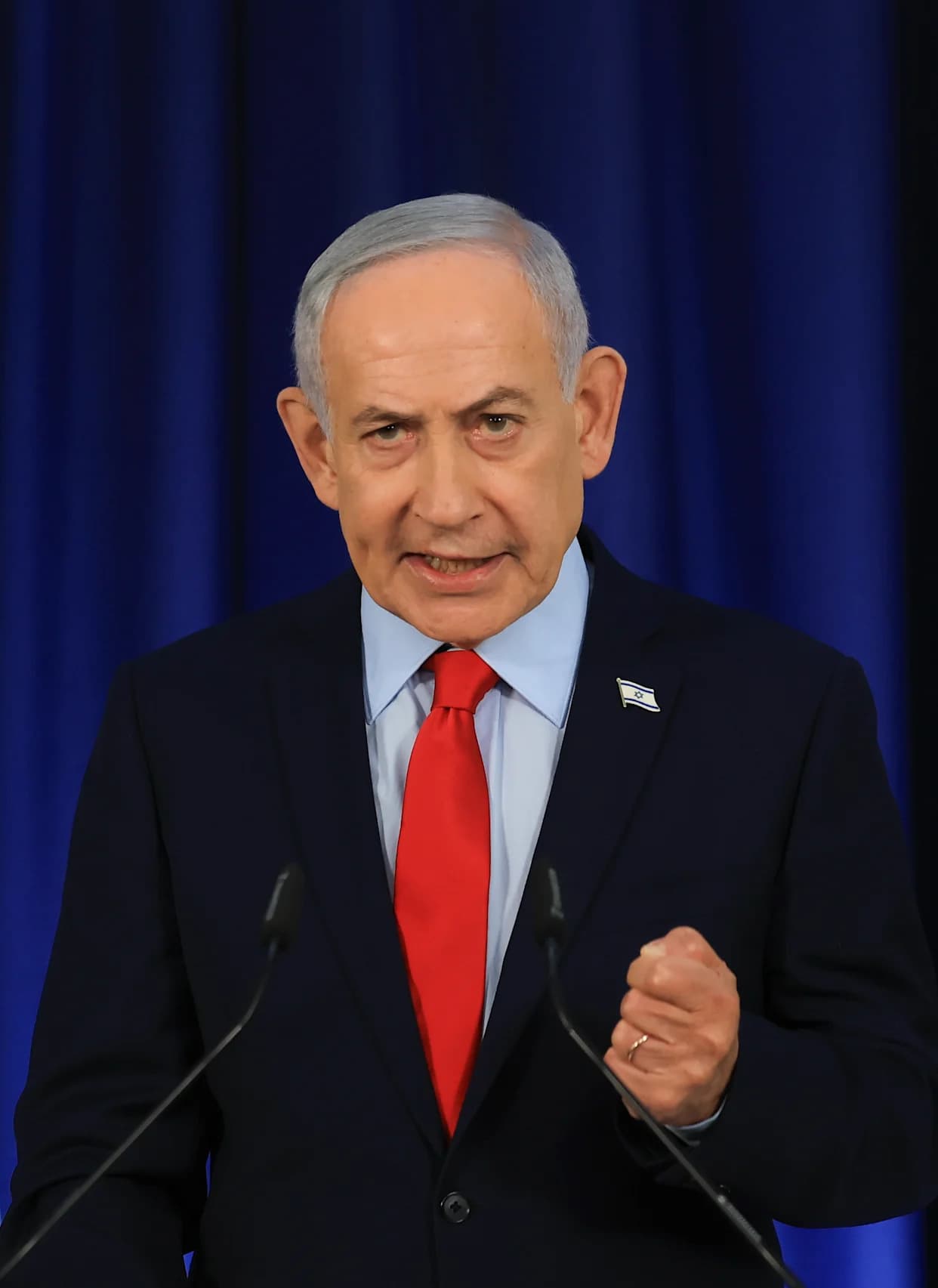
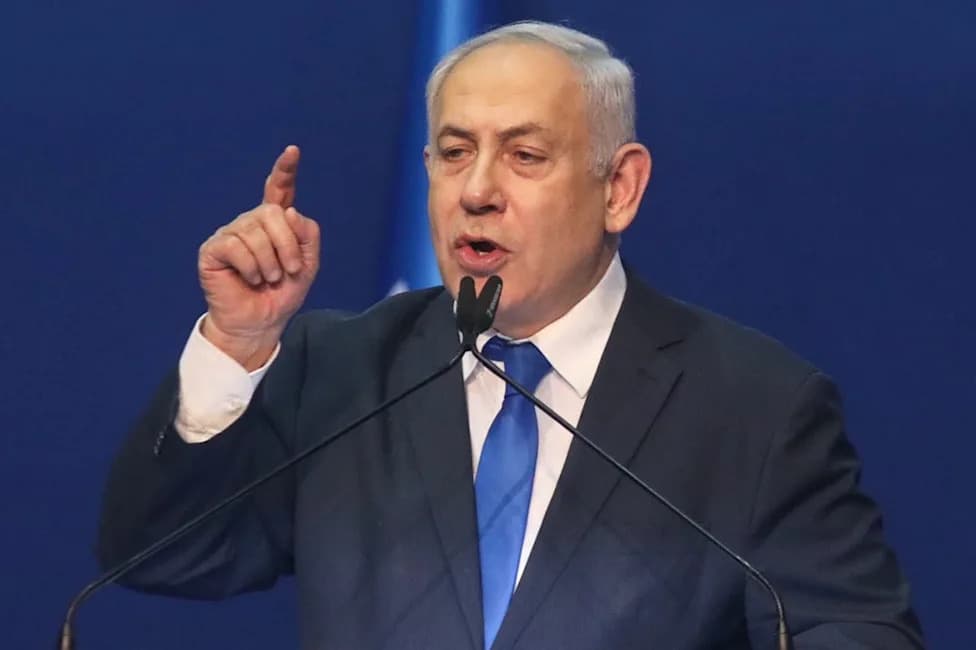
Israeli Prime Minister Benjamin Netanyahu speaks during a news conference in Jerusalem, Thursday, March 19, 2026 [Ronen Zvulun/Pool Photo via AP]
European governments are increasingly distancing themselves from Israel amid shifting public opinion over its military campaigns in Gaza and recent strikes on Lebanon and Iran. What was once steady political support in much of the West is showing visible fissures as leaders weigh diplomatic, economic and security implications.
Diplomatic Moves and Economic Pressure
In recent weeks several EU states have taken concrete steps to express their displeasure. Spain urged the suspension of parts of the European Union’s trade agreement with Israel in response to actions it described as "intolerable" in Lebanon. France has excluded some Israeli firms from major defence exhibitions, and Germany — long regarded as one of Israel’s closest European partners — has publicly expressed alarm at what it described as a "de facto partial annexation of the West Bank." Italy’s right-wing government has also added its voice to the chorus of criticism.
Netanyahu’s Response
Prime Minister Benjamin Netanyahu dismissed European rebukes and framed Israel as a bulwark of Western values. He accused Europe of suffering from "deep moral weakness" and argued — using rhetoric echoed by some far-right European voices — that Europe is "losing control of its identity, of its values, of its responsibility to defend civilisation against barbarism."
"It has much to learn from us," Netanyahu said, while facing an outstanding arrest warrant from the International Criminal Court related to alleged war crimes in Gaza. "Especially the essential lesson of the clear moral distinction between good and evil..."
Hardline Ministers and Domestic Politics
The growing rift with Europe has been amplified by the prominence of far-right figures in Israel’s government. The appointments of Itamar Ben-Gvir as National Security Minister and Bezalel Smotrich as Finance Minister have reinforced perceptions that Israel is moving away from the liberal, secular image it long sought to project.
"The days when Germans dictated to Jews where they were permitted or forbidden to live are over," Smotrich wrote on social media, adding that Israel would not be "forced into ghettos again."
Historical Context and International Reaction
Observers point to long-standing grievances — including the 1948 founding of Israel and the displacement of Palestinians in the Nakba, the ongoing occupation of Palestinian territories, and accusations of land grabs and human-rights violations — as drivers of recent European unease. For decades Western support was sustained by strategic ties, Holocaust memory and shared security interests; those cushions appear thinner today.
Voices and Analysis
Commentators and scholars emphasize the disconnect between Israel’s self-image and international perceptions. Eva Illouz, an Israeli sociologist, says Israeli conservatives long portrayed the country as an "elite combat unit defending the West," while filmmaker Haim Bresheeth argued that occupation and mass rights abuses are incompatible with the label of liberal democracy. Yossi Mekelberg of Chatham House warned that internal reckoning in Israel’s political leadership seems unlikely, noting a prevailing sense that foreign criticism is taken as validation rather than cause for change.
Global Risks
Beyond diplomatic fallout, analysts warn that further military escalation involving Lebanon or Iran could have broader consequences, including economic shock and the potential to tip a fragile global recovery toward recession.
What This Means: The widening rift between Israel and several European states reflects a complex mix of moral, historical and strategic issues. European actions ranging from trade measures to exhibition bans signal that public opinion and political calculations in Europe are reshaping long-standing alliances.
Help us improve.