Summary: As Bulgaria prepares for another national vote, longstanding vote‑buying and coercive tactics have resurfaced. Authorities report over 1,000 violations and more than 180 detentions, while the Anti‑Corruption Fund estimates 10%–15% of votes are at risk. The caretaker government has set up an oversight unit and hotline, and civil groups have mobilised thousands of monitors, but analysts say long‑term reforms are needed to break entrenched clientelist networks.
Bulgaria’s Election Under Scrutiny: Vote‑Buying, Arrests and Deep‑Rooted Clientelism Ahead Of Sunday Vote
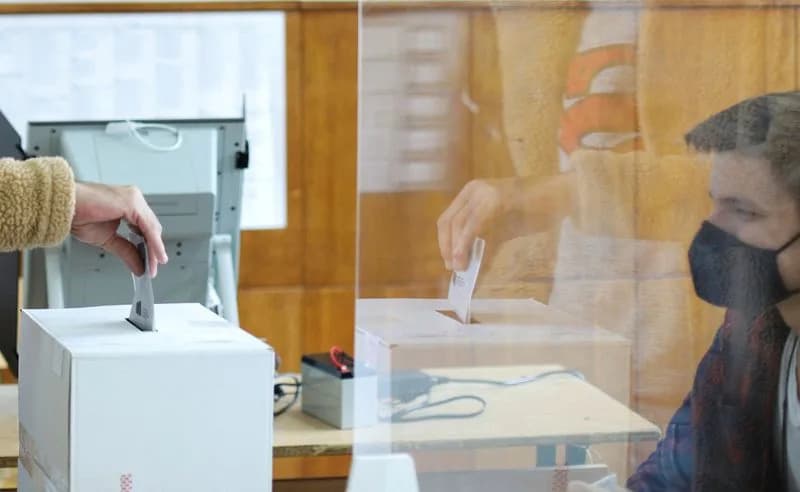
FILE PHOTO: A person casts vote at a polling station, during parliamentary and presidential elections, in Sofia, Bulgaria, November 14, 2021. REUTERS/Spasiyana Sergieva/File Photo
SOFIA, April 16 (Reuters) - As Bulgaria heads into its eighth national election in five years on Sunday, long-standing methods of manipulating ballots are once again in the spotlight. Authorities and civil groups say vote‑buying, threats to essential services and employer pressure remain widespread, even as a caretaker government vows stricter oversight.
Crackdown And Arrests
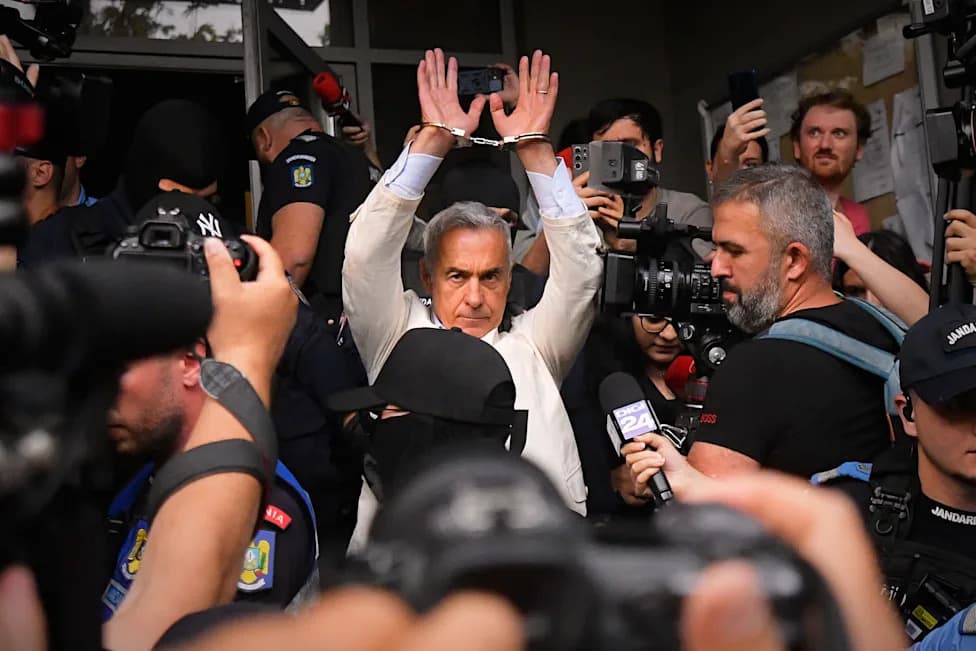
Interior Ministry figures show more than 1,000 election violations reported and over 180 people detained in the run‑up to the vote — roughly five times the number recorded before the October 2024 election. That last parliamentary ballot was marred by scandal and was partly annulled by the Constitutional Court after judges reviewed evidence of tampering.
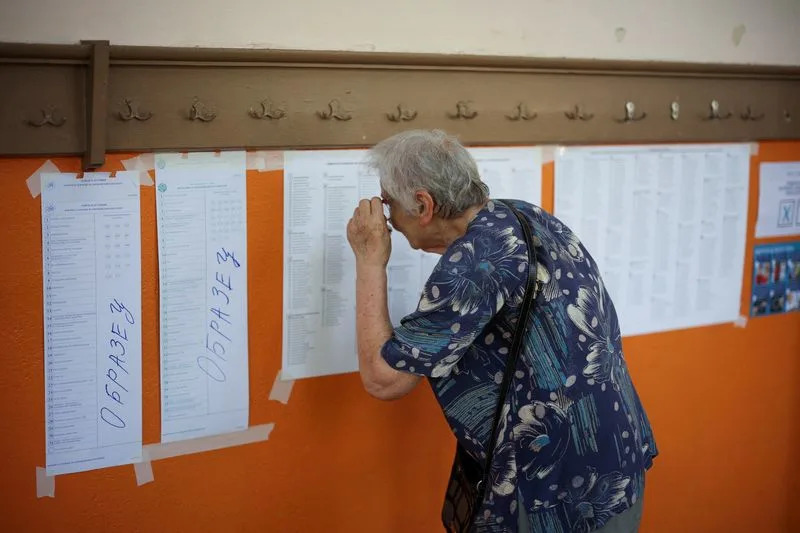
FILE PHOTO: A woman looks at election ballot samples at a polling station during snap parliamentary and European Parliament elections in Sofia, Bulgaria, June 9, 2024. REUTERS/Stoyan Nenov/File Photo
How Fraud Works
Local officials, analysts and voters told Reuters that brokers working for political parties commonly offer voters between €50 and €100 for their support. Other tactics include agents threatening to cut wood supplies used for heating in rural homes and pressure on employers to ensure staff vote as a bloc. Police have intercepted brokers with lists of voters' names and, in some cases, large amounts of cash.
Scale And Structural Risks
The Sofia‑based Anti‑Corruption Fund (ACF), which monitors electoral malpractice, estimates that 10%–15% of votes may be vulnerable to capture through direct buying or broader influence strategies tied to the distribution of essential services. Using historical data, the ACF has flagged 1,738 polling stations as high risk out of nearly 12,000 nationwide.
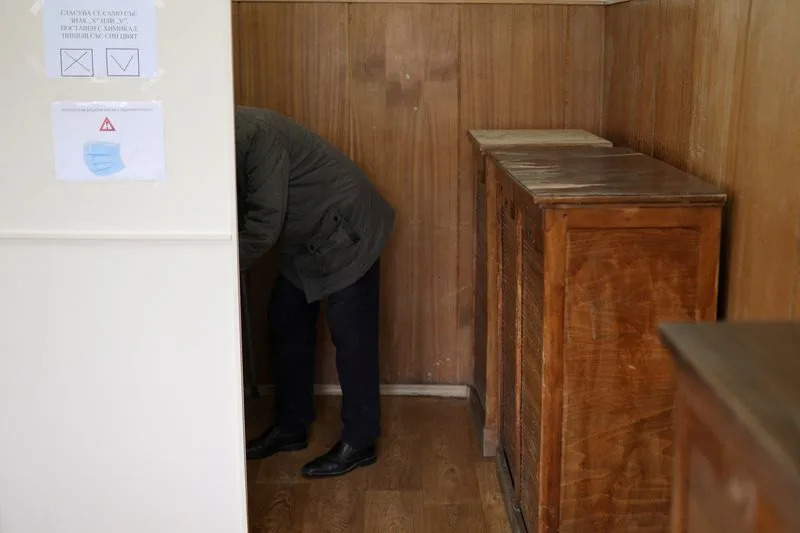
FILE PHOTO: A person prepares a ballot at a polling station during the parliamentary election, in Sofia, Bulgaria, April 4, 2021. REUTERS/Stoyan Nenov/File Photo
"The more fundamental problem... is that entrenched clientelistic practices that rely on electoral fraud beyond election day and the discretionary spending of public funds can hardly be overcome through police activity alone and require a targeted, long‑term policy," said ACF analyst Mario Rusinov.
Local Pressure And Political Tactics
Much control is exercised through municipal mayors, whose influence extends to town and village leaders across their jurisdictions. One unnamed mayor in southern Bulgaria said rival‑party agents sought to buy his allegiance; after he refused, he faced a series of financial audits and police probes he believes were politically motivated attempts to discredit him.
Civic Mobilisation
Civic groups and political coalitions are mobilising to counter malpractice. The You Count initiative, run by the reformist We Continue the Change‑Democratic Bulgaria (PP‑DB) coalition, has recruited 3,000 polling‑station monitors for election day — three times the number it organised in 2024. Volunteers say visible monitoring can bolster public confidence and deter on‑the‑ground abuses.
What Comes Next
The caretaker government has created an oversight unit and a hotline for voters to report suspicious activity, and officials say they are committed to holding a fair vote. Analysts caution, however, that police action alone is unlikely to uproot entrenched clientelism; meaningful reform will require sustained policy efforts beyond election day.
Note: The October 2024 parliamentary vote was partly overturned by the Constitutional Court after it reviewed evidence of tampering. ($1 = 0.8485 euros)
Help us improve.