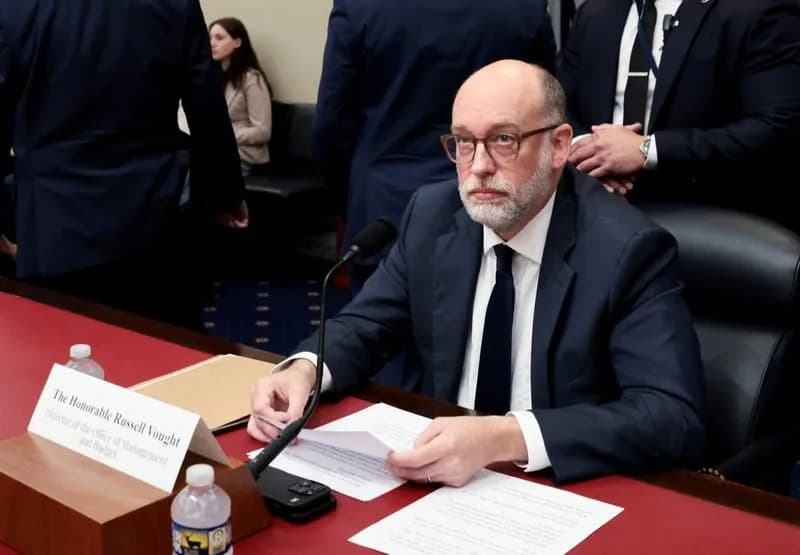
WASHINGTON, April 15 — White House budget director Russell Vought told the House Budget Committee on April 15 that the administration cannot yet estimate the cost of the conflict with Iran while defending President Donald Trump's proposal for an unprecedented $1.5 trillion annual defense budget.
Vought said the administration is still determining requirements and has not prepared a formal supplemental request. "
We're not ready to come to you with a request. We're still working on it. We're working through to figure out what's needed,"
he told lawmakers, adding, "
I don't have a ballpark.
"
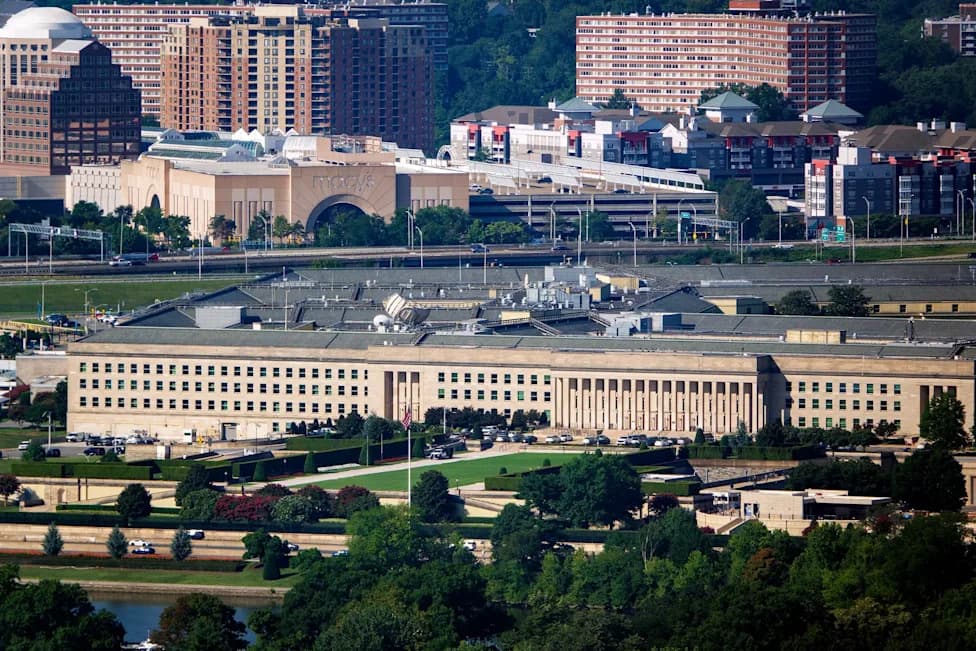
Lawmakers pressed Vought about the fiscal and political implications of a major military funding surge. The White House's proposal for fiscal year 2027 would boost defense spending by roughly $500 billion while cutting non-defense programs by about 10% — a package the administration frames as aligned with Republican priorities ahead of the November midterms.
The cost of the conflict — which the White House says began alongside Israel on Feb. 28 — remains unresolved on Capitol Hill. An earlier $200 billion supplemental request for additional war spending met strong opposition in Congress last month.
Accountability And Domestic Cuts
Democrats criticized Vought's simultaneous calls to crack down on alleged fraud in healthcare, education and low-income energy assistance while seeking large increases for the Pentagon. Representative Pramila Jayapal noted the Defense Department has repeatedly failed audits.
"I'm so glad you asked about fraud, because you are coming back to ask for a $1.5 trillion budget for the Department of Defense,"
Jayapal said, adding that the Pentagon remains the only federal agency that has not passed a full audit.
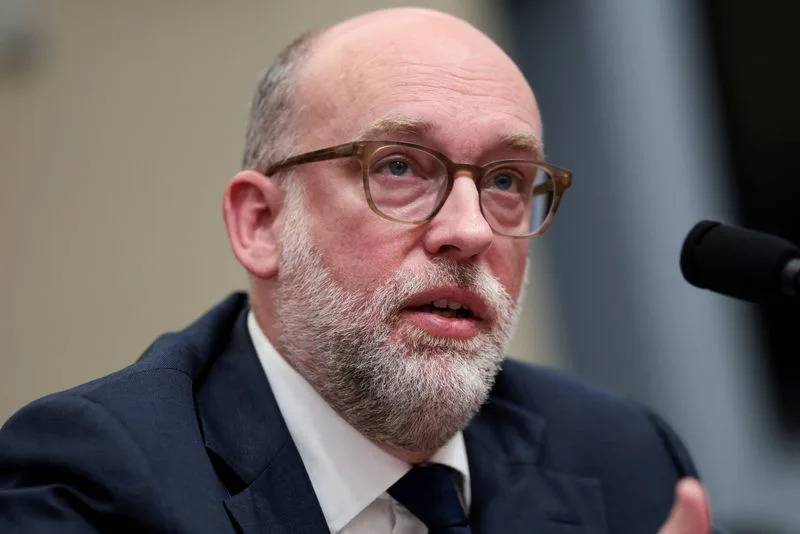
Office of Management and Budget (OMB) Director Russell Vought appears before House Budget Committee hearing on the Trump administration's 2027 budget request, on Capitol Hill in Washington, D.C., U.S., April 15, 2026. REUTERS/Evelyn Hockstein
Vought said the administration is targeting "inefficiencies" at the Pentagon, but some Republicans on the committee — including Representative Glenn Grothman — urged a completed Pentagon audit before approving significant new defense spending.
Budget Trade-Offs And watchdog Findings
Vought defended prior White House measures, citing the 2025 tax-and-spending package dubbed the "One Big Beautiful Bill Act," which the administration says produced about $2 trillion in mandatory savings largely through cuts to Medicaid and food assistance programs. Independent analyses differ: the nonpartisan Congressional Budget Office has estimated that extending 2017 tax cuts would add roughly $4.7 trillion to deficits over the next decade, and projected changes to immigration policy could add about $500 billion.
Democrats also raised recent findings from the Government Accountability Office that the administration illegally withheld billions of dollars earmarked for National Institutes of Health grants, public schools and Head Start programs. When asked if he disputed the GAO's findings, Vought replied, "GAO is typically wrong. They're very partisan."
The exchange grew heated when Representative Brendan Boyle cited forecasts that more than 15 million people could lose health coverage under the proposed healthcare cuts. Vought said many of those affected would be able-bodied adults or otherwise ineligible for benefits.
For the White House budget to become law, it must win congressional approval at a time when Republicans face opposition from Democrats over immigration enforcement and other priorities. Democrats have already declared the administration's proposal unlikely to pass, leaving final appropriations to closed-door negotiations among congressional appropriators.
Reporting: Nolan D. McCaskill and David Morgan. Writing and editing: David Morgan; editing by Scott Malone and Rod Nickel.