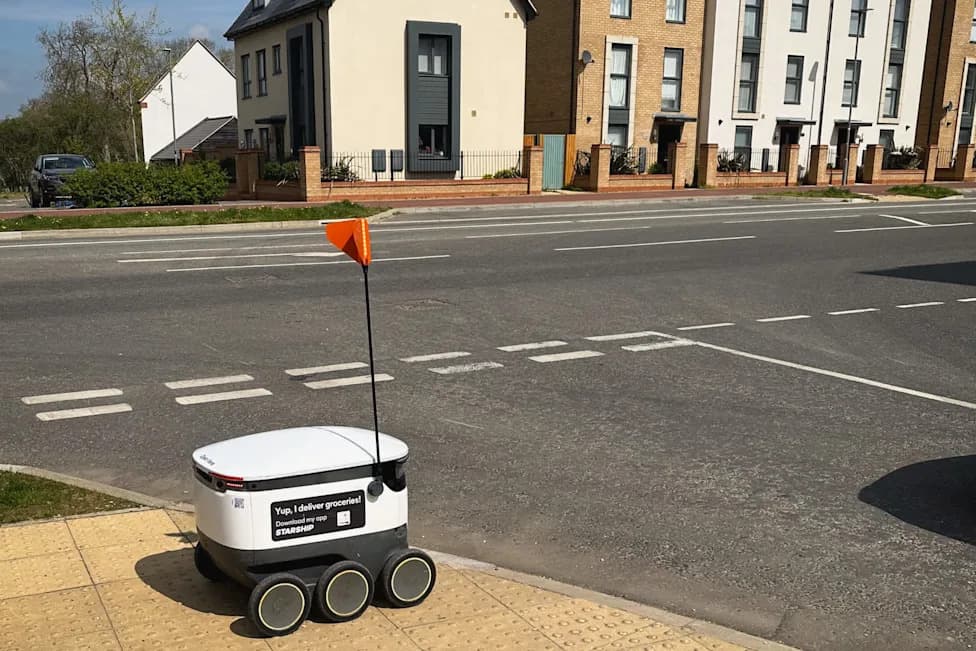
The Wellcome Genome Campus in Hinxton will run a government-funded, year-long trial of driverless commuter vehicles connecting the site to Whittlesford Parkway station. The project will test a dedicated land corridor designed to allow autonomous vehicles to operate in a controlled area, aiming to reduce congestion, cut emissions and deliver more predictable journeys. Campus CEO Robert Evans called the initiative "game-changing," and the trial is intended to produce a plan to support growth and job creation at science and innovation sites in and around Cambridge and across the UK.
Cambridge Science Campus to Trial Driverless Commuter Vehicles in Government-Funded Year-Long Study
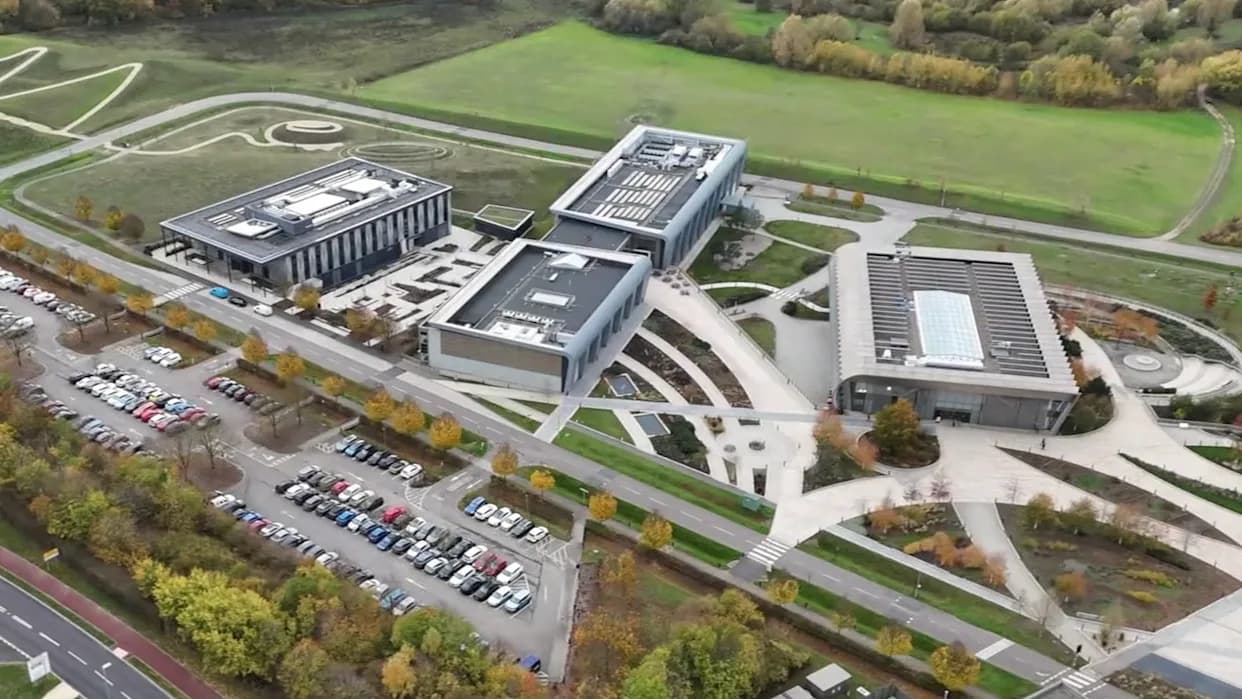
The Wellcome Genome Campus in Hinxton is expected to trial self-driving vehicles for its workers [Qays Najm/BBC]
The Wellcome Genome Campus in Hinxton, on the southern edge of Cambridge, will run a government-funded, year-long trial allowing staff to commute using driverless vehicles.
The study, backed by the government's CAM Pathfinder Programme, will test whether a direct autonomous link between the campus and Whittlesford Parkway station can reduce congestion, cut emissions and provide more reliable journey times for commuters.

Evans welcomed the study and said it would boost growth and connectivity [Ben Schofield/BBC]
What the Trial Will Test
The campus currently operates shuttle buses and coaches to and from Whittlesford Parkway. The proposal is to create a dedicated land corridor so autonomous vehicles can operate in a controlled environment without mixing with general traffic. Organisers say this approach would make commuting simpler and more predictable while helping to manage future growth at the site.
Robert Evans, Chief Executive of the Wellcome Genome Campus: "This could be game-changing for the site and deliver a scalable model for autonomous vehicle use across the country."
Project leaders expect the trial to produce a practical plan outlining how driverless vehicles could support expansion and job creation for science and innovation sites in and around Cambridge — and potentially elsewhere in the UK.
Next Steps
The year-long study will gather data on operational performance, passenger experience, journey times and environmental impacts. Findings will inform whether a permanent autonomous link or similar corridors could be rolled out at other research campuses and innovation hubs.
Help us improve.