A literature review covering NDE studies from 1983–2020 finds children are largely absent from the research record, with only eight studies that directly included them. The review — led by Donna Thomas and Graeme O’Connor — reports that children describe core NDE features such as tunnels, bright lights, and out‑of‑body sensations but often do not report life reviews or communications from deceased loved ones. Using arts‑ and play‑based methods in a 2024 pilot, researchers gathered developmentally appropriate accounts and argue children’s reports may be less shaped by cultural bias. The authors call for more ethical, child‑focused study as resuscitation advances increase the number of NDE survivors.
Children Could Hold the Key to Understanding Near‑Death Experiences, Researchers Say

Experts Think Kids May Help Them Understand DeathBlack_Kira - Getty Images
Death is part of life, but when scientists study consciousness through near‑death experiences (NDEs), one important group is often overlooked: children. A new literature review published in Psychology of Consciousness: Theory, Research, and Practice finds that despite surviving NDEs from illness or injury, children are rarely included in the research record.
What the Review Examined
Led by Donna Thomas (University of Lancashire) and Graeme O’Connor (Great Ormond Street Children’s Hospital), the review surveyed NDE studies published between 1983 and 2020. Of all papers examined, only eight directly involved children — leaving most conclusions about NDEs based almost entirely on adult reports.
Core Findings
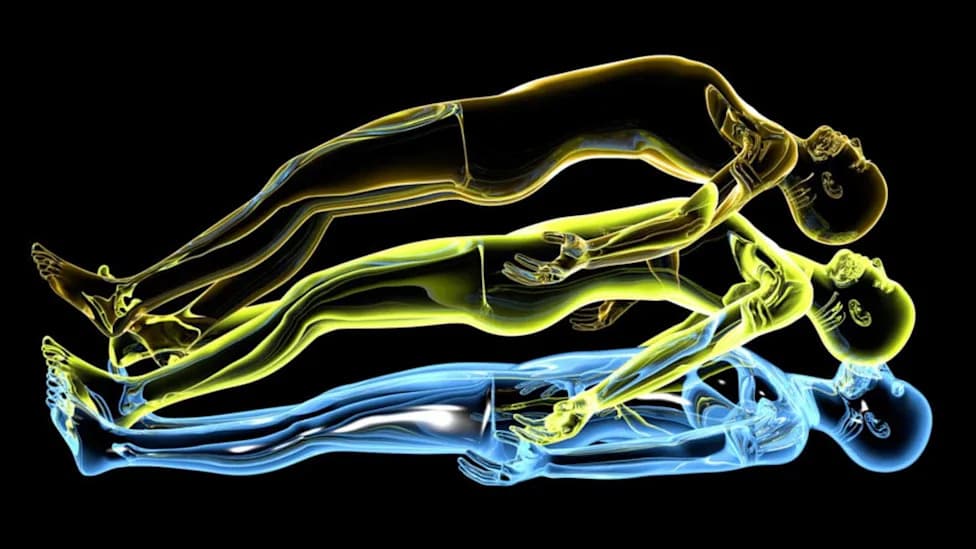
The authors note that researchers have identified several recurring "core features" of adult NDEs, including intense peace, out‑of‑body experiences (OBEs), life reviews, and tunnel or light phenomena. When children were interviewed, they reported several overlapping features — tunnels, bright lights, and OBEs — but often did not describe life reviews or messages from deceased loved ones.
"Most claims made about NDEs are based on extensive research with adults, with children left on the margins of the field," the review states, urging more child‑focused study to determine similarities and differences across ages.
Methods That Work With Children
To gather developmentally appropriate accounts, the authors highlight arts‑ and play‑based interview methods. In a 2024 pilot cited by the review, the team used these creative approaches to interview seven children who survived cardiac arrest in a paediatric intensive care unit (PICU), allowing nonverbal and age‑sensitive expression of their experiences.
Why Children's Reports Matter
The review suggests children's descriptions may be less shaped by cultural or religious frameworks and prior experience, which could make them particularly informative for understanding the phenomenology of NDEs. Because NDE research has implications for theories of consciousness — including debates about whether consciousness is wholly brain‑based — higher‑quality data from children could help refine or challenge existing models.
Next Steps
The authors call for more systematic, ethically grounded research with children using methods suited to their developmental needs. They also point out a practical reason to prioritize this work: advances in resuscitation and critical care mean more survivors — and thus more opportunities to study firsthand reports of NDEs across all ages.
Bottom line: Children have been underrepresented in NDE research, and carefully designed, child‑centered studies could yield clearer insights into the nature of near‑death experiences and, by extension, consciousness itself.
Help us improve.