Any deal President Trump negotiates with Iran that touches the country’s nuclear program would likely be submitted for congressional review under the 2015 Iran Nuclear Agreement Review Act. The law also limits the president’s ability to lift or waive sanctions during the review period. The Case Act of 1972 could require additional submissions to Congress. While some Republicans back review, history shows Congress faces a high bar to block a presidential agreement, though the process can be politically painful.
Any Trump Deal With Iran Would Likely Face A Congressional Vote, Lawmakers Say
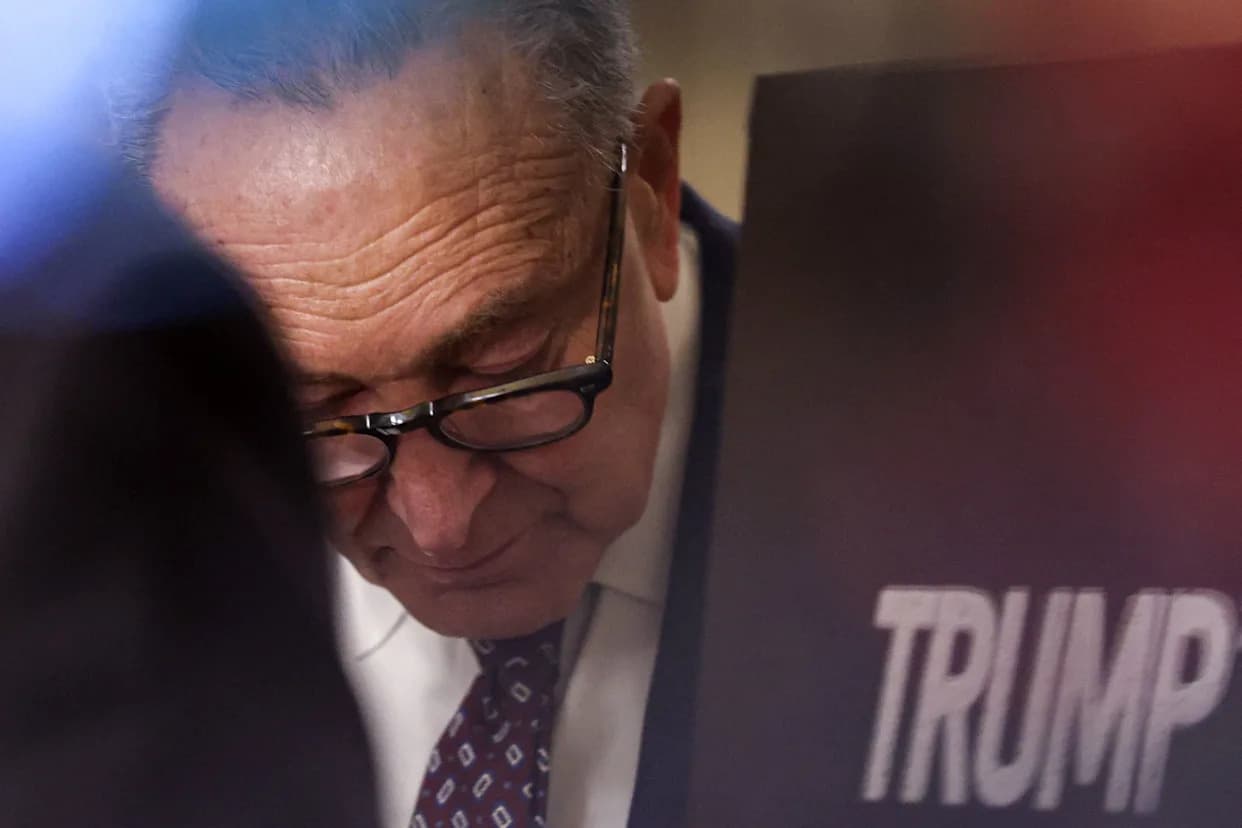
Any agreement President Donald Trump might negotiate to end U.S. military action involving Iran would likely be submitted for congressional review, legal experts and lawmakers say. Because virtually any such deal would touch Iran’s nuclear program, it would probably trigger review under the 2015 Iran Nuclear Agreement Review Act.
The 2015 review law requires that agreements touching Iran’s nuclear program be sent to Congress and places limits on the president’s ability to lift or waive sanctions while Congress conducts its review.
“Any agreement relating to Iran’s nuclear program must be submitted to Congress pursuant to the [nuclear review law],” a Democratic aide said. “That law also imposes restrictions on the president’s ability to lift or waive sanctions while Congress reviews any such agreement.”
Lawmakers who helped write the statute argue Congress should have a formal role in approving or at least scrutinizing any final arrangement. Sen. Chris Coons (D-Del.) said the lack of congressional engagement around the recent conflict makes review especially important:
“Given the lack of meaningful engagement with Congress on how and why Trump launched this war, there has to be more review on how we may resolve it.”
All of this is hypothetical until a final deal is reached, and some Democrats privately warn the White House or Republican leaders could seek ways to minimize congressional involvement. In addition to the 2015 review law, the Case Act of 1972 could require the State Department to submit other international agreements with Iran to Congress for its records and potential scrutiny.
Not all Republicans oppose a formal review. Sen. Lindsey Graham (R-S.C.) described congressional consideration as a “sound way forward,” and Senate Republicans previously told the Biden administration that any Iran agreement would be subject to the 2015 review law.
It would be difficult but not impossible for Congress to block a presidential agreement. When lawmakers reviewed the original Iran deal in 2015, Senate Democrats helped defeat a disapproval resolution; even if Congress had passed such a measure, it would have required a veto-proof majority to override the president. That 2015 fight did produce defections — four Senate Democrats voted against the deal, including current Senate Minority Leader Chuck Schumer (D-N.Y.) — showing how politically costly the process can be for the president’s party.
Bottom line: Any Trump-era agreement that touches Iran’s nuclear program is likely to trigger statutory congressional review and political debate, and White House negotiators should expect scrutiny even if the legal threshold to block a deal remains high.
Help us improve.