The alleged hacker, using the handle FlamingChina, claims to have extracted more than 10 petabytes of data from the National Supercomputing Center in Tianjin, including files labeled “secret” and technical simulations. Cybersecurity experts who reviewed posted samples said they appeared credible, but independent verification is still pending. The seller is offering previews for thousands and full access for hundreds of thousands of dollars, payable in cryptocurrency. If confirmed, the breach would underscore significant cybersecurity risks and attract interest from state intelligence services.
Alleged 10+ Petabyte Breach at Tianjin Supercomputer — Classified Defense Files Offered for Sale
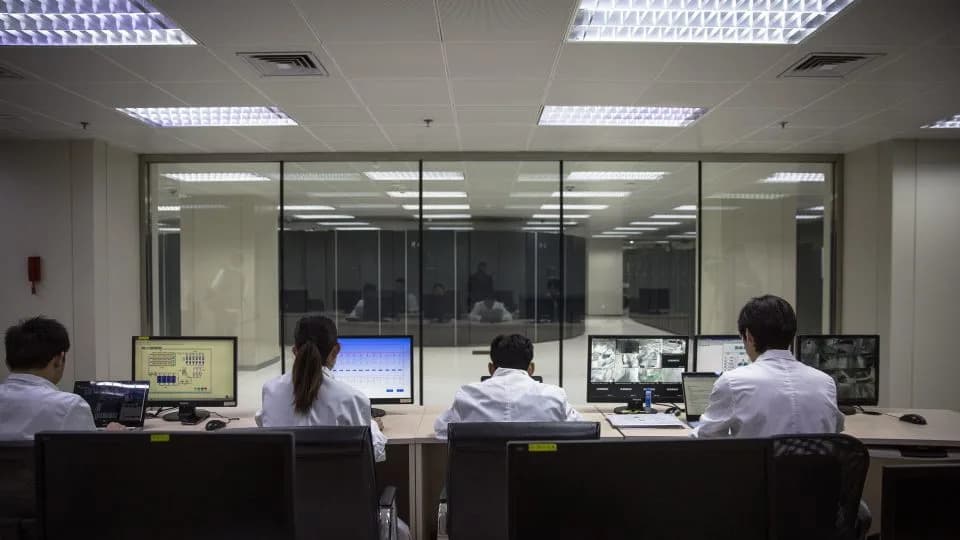
Employees work in front of supercomputers at The National Supercomputer Center in Jinan, China, on 17 October 2018. - Roman Pilipey/EPA-EFE/Shutterstock
Summary: A user claiming the handle FlamingChina says they exfiltrated more than 10 petabytes of data from the National Supercomputing Center (NSCC) in Tianjin. Samples posted online reportedly include documents marked “secret,” technical simulations and missile schematics. Cybersecurity analysts who reviewed the material say the files appear plausible, though independent verification is lacking.
Details of the Alleged Breach
The dataset is said to contain research across aerospace engineering, military programs, bioinformatics, fusion simulation and other computational science fields. The NSCC in Tianjin serves thousands of clients across China — including academic, scientific and defense organizations — and is one of several national supercomputing hubs.
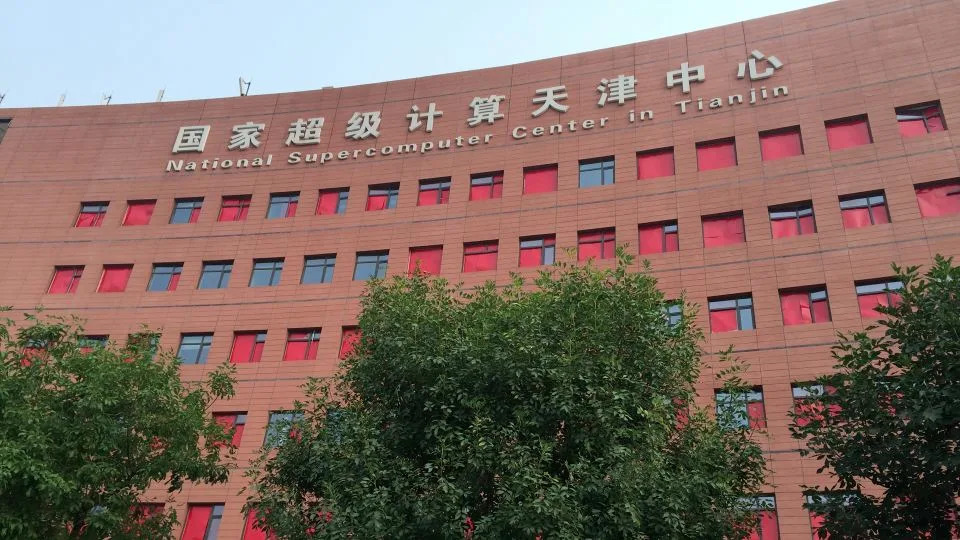
The National Supercomputer Center building in Tianjin, China, on August 18, 2015 - Simon Song/South China Morning Post/Getty Images
What Was Posted
An account calling itself FlamingChina posted sample files to an anonymous Telegram channel on February 6, claiming the full trove exceeds 10 petabytes. The seller reportedly offered limited previews for a few thousand dollars and full access for hundreds of thousands of dollars, with payment requested in cryptocurrency.
Expert Assessments
Multiple cybersecurity specialists who examined the samples told reporters the material looked consistent with what would be expected from a supercomputing center: technical reports, simulations and files labeled “secret” in Chinese. Dakota Cary, a consultant at SentinelOne, and Marc Hofer of the NetAskari blog were among those who reviewed the posted samples and described them as credible initial indicators, while stressing that provenance could not be independently confirmed.
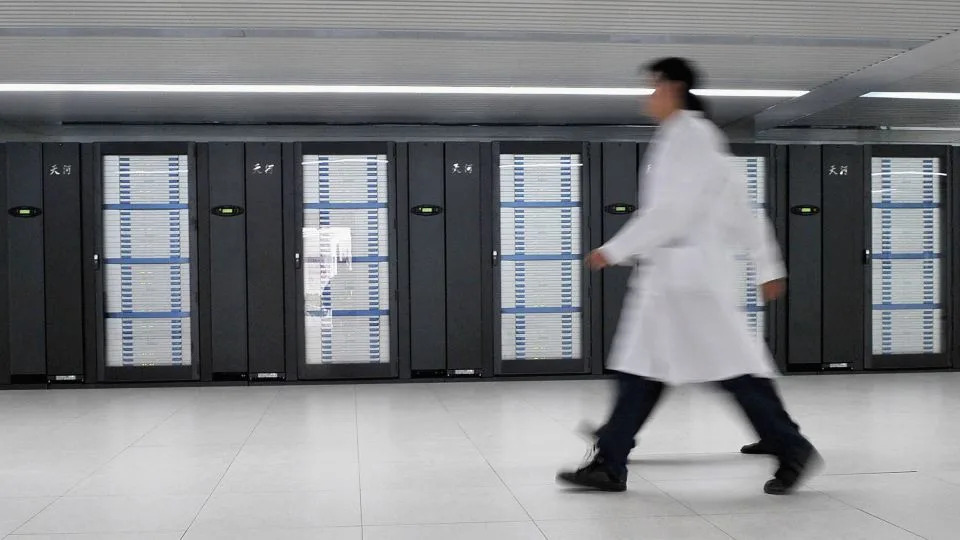
Staff members walk past the Tianhe-1 supercomputer at the National Supercomputing Center in Tianjin, China, on November 2, 2010. - VCG/Getty Images
“The swath of samples really speaks to the breadth of customers that this supercomputing center had,” said Dakota Cary.
Alleged Method of Extraction
According to investigators who spoke with a person claiming responsibility, the attacker gained access via a compromised VPN domain, then used a distributed extraction approach — reportedly deploying a botnet and moving data through multiple servers — to remove roughly 10 petabytes over about six months. Analysts note this approach reduces the chance of detection by spreading transfers across many targets rather than sending one large dump to a single location.
Verification, Risks and Context
News organizations contacted China’s Ministry of Science and Technology and the Cyberspace Administration of China for comment. At present, independent verification of the dataset’s origins and the seller’s claims has not been established. If authentic, the scale and contents of the leak would be of high interest to state intelligence services and private researchers able to process very large datasets.
Broader Implications
Security experts say the incident — if confirmed — highlights persistent cybersecurity challenges across some Chinese institutions and underscores the value of robust protections for shared computational infrastructure. Past incidents involving exposed personal and technical data in the region show how large-scale leaks can surface and circulate before full verification is possible.
What to Watch: Follow-up reporting and official statements from Chinese authorities or the NSCC, independent forensic analysis of the full dataset (if released), and any evidence of buyers or further attempts to monetize the files.
Help us improve.