The UN-authorized Gang Suppression Force preparing to deploy to Haiti could soon confront hundreds of children who make up about half of gang members. In 2024, at least 302 children were "recruited and used" in Port-au-Prince, most in combat roles, and UNICEF reports a 200% rise in child recruits in 2025. Humanitarian leaders warn security operations must be paired with food and child-protection measures, and urge that troops follow a handover protocol so children are transferred to welfare services rather than treated only as criminals.
New UN-Authorized Force May Confront Hundreds Of Child Gang Members In Haiti
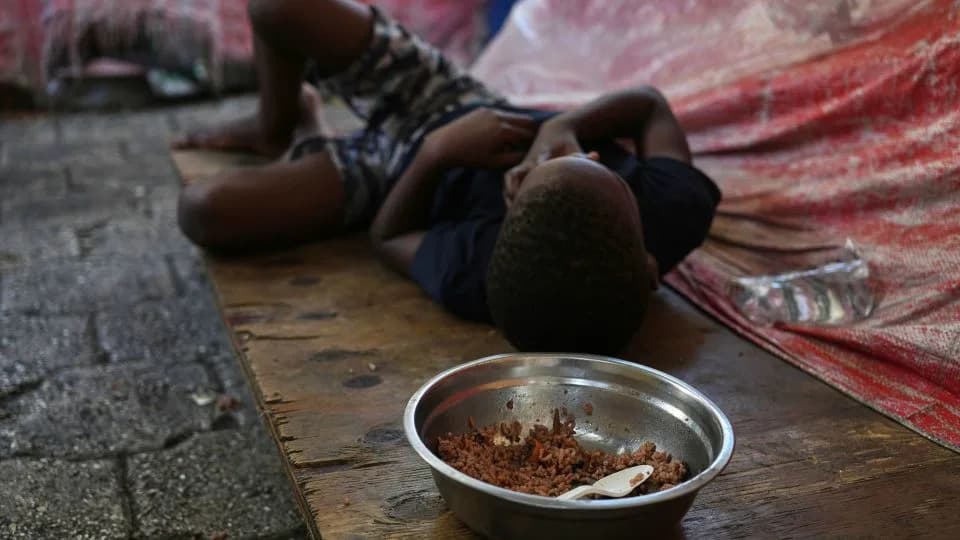
A child at a shelter for families displaced by gang violence in Port-au-Prince, Haiti, on March 16, 2026. - Odelyn Joseph/AP
As a UN-authorized Gang Suppression Force (GSF) prepares to deploy to Haiti, the international contingent could soon face hundreds of children embedded in armed groups across the country.
Children Make Up A Large Share Of Gang Ranks
Experts estimate that roughly half of members in Haiti's armed groups are children. The United Nations secretary-general's latest report on children and armed conflict recorded that at least 302 children were "recruited and used" by gangs operating in Port-au-Prince in 2024, with most serving in combat roles.
Recruitment, Social Media And Incentives
Gangs increasingly use polished social media content to glamorize life inside their territories, showing money, jewelry and apparent comfort to attract vulnerable youth. In one recent video from an attack in Artibonite, a young boy brandished a rifle while an older fighter fired into the distance.
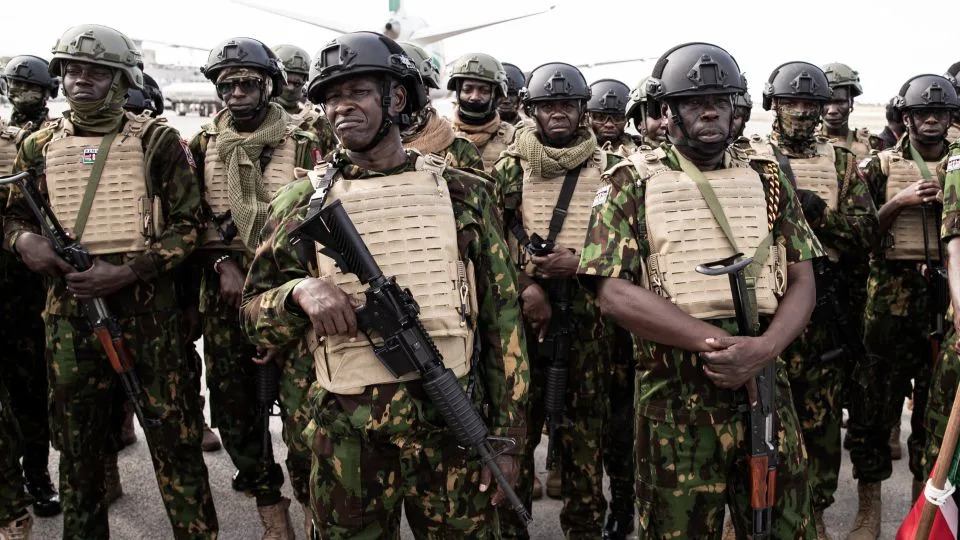
Kenyan police officers arrive at Toussaint Louverture International Airport in Port-au-Prince, Haiti, on December 8, 2025, as part of a multinational force. - Clarens Siffroy/AFP/Getty Images
UN research and local sources describe how wealthier gangs provide food and shelter to homeless children inside their territories, then enlist them for work. Reported payments range roughly from USD 100 to 300 for routine tasks such as guarding hostages, gathering intelligence, ransacking homes or monitoring police movements, usually paid twice a month. Higher payments, reportedly up to about USD 700, are offered for participation in major operations such as kidnappings or armed clashes.
Why Children Join Or Are Forced In
Many of the most at-risk children are those fending for themselves. Others are turned over by desperate parents hoping for protection, abducted, or coerced into sexual exploitation. One child who spoke to CNN said he was 11, homeless and offered food before being recruited and later forced to burn bodies.
Humanitarian Consequences And The Need For Dual Response
Years of political turmoil and gang violence have driven more than 1.4 million people from their homes. Humanitarian agencies respond rapidly after attacks with water, shelter and emergency aid, but the scale of the crisis makes longer-term recovery extremely difficult. The World Food Program delivers emergency relief and regular school meals to roughly 600,000 children, underscoring that food security must accompany any security operation.
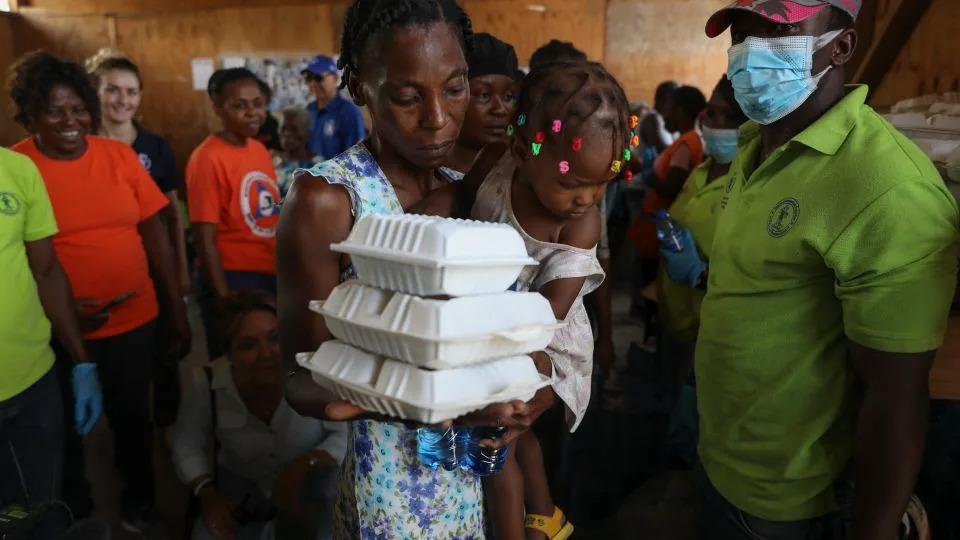
A woman carrying a child walks away with food from the World Food Program at a high school turned shelter for families displaced by gang violence in Port-au-Prince, Haiti, Thursday, July 25, 2024. - Odelyn Joseph/AP
It is difficult to imagine full peace when people wake up and do not have enough to eat.
— Wanja Kaaria, Head of WFP Haiti
Deployment And Protection Risks
The nascent GSF, eventually planned to number about 5,500 personnel, is the international community's most robust attempt to push back against heavily armed gangs. An advance element of Chadian troops has already arrived to reinforce personnel from a previous UN-authorized mission.
Security analysts warn that operations could place children who serve in gangs on the front lines. Rights groups and UN officials have also raised alarm about how children affiliated with gangs are treated during street confrontations. UN data indicate that at least three dozen children have been summarily executed since 2022 by police or vigilantes after accusations of gang association, with some victims as young as 10.
Handover Protocols And Reintegration
UNICEF and other child protection actors urge security forces to follow an agreed handover protocol, signed by the Haitian government and the United Nations, which requires that children encountered in operations be detained appropriately and transferred to child welfare agencies rather than treated solely as criminals. It remains unclear whether all GSF personnel have specific training on those procedures.
For children who do leave gangs, UNICEF runs a reintegration program called Prejeune. More than 500 children have participated to date, entering a lengthy process of psychological support, reconciliation with families and community reintegration. Reunification is often complicated by trauma and by families' reluctance to accept children who may have been forced to commit violent acts.
Conclusion
The arrival of a multinational force in Haiti underscores a stark reality: security operations and humanitarian protection must proceed together. Without food, shelter and robust child-protection measures, efforts to weaken gangs risk further endangering the very children they may encounter.
Help us improve.