The UN Security Council extended the mandate of the Gang Suppression Force in Haiti for six months, through March 31, 2027, in a 12-yes, three-abstention vote. The GSF — intended to rise to 5,500 personnel and 50 civilian staff — has fallen far short of that target and had fewer than 1,000 personnel as of July. The resolution stressed the need to create security conditions for Haiti's long-delayed elections and expressed "grave concern" about gangs' growing use of weapons and systematic recruitment of children. The extension aims to support stability ahead of national polls scheduled for December 13.
UN Extends Haiti Gang Suppression Force Six Months To March 31, 2027
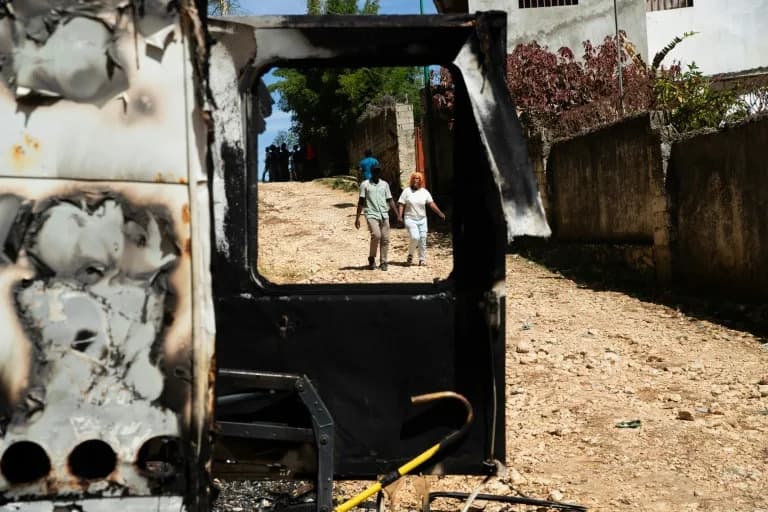
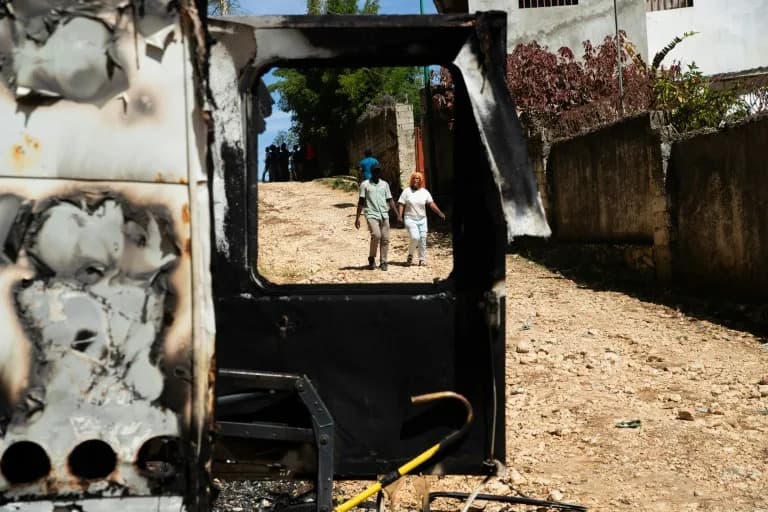
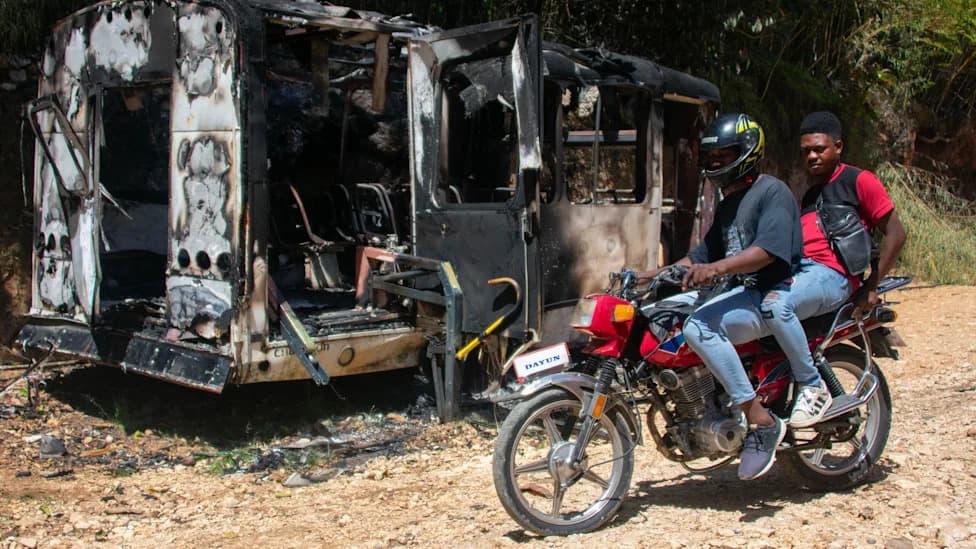
Haiti has been wracked by deadly gang violence with swaths of the Caribbean country controlled by heavily armed criminal syndicates (Clarens SIFFROY)
The United Nations Security Council voted to extend the mandate of the Gang Suppression Force (GSF) in Haiti by six months, prolonging the mission through March 31, 2027. The resolution was adopted with 12 votes in favor and three abstentions; Russia, China and Pakistan abstained. The United States co-sponsored the measure.
Planned Build-Up Has Fallen Short
Announced last year as a more robust follow-up to a Kenya-led Multinational Security Support mission, the GSF was intended to build up to 5,500 personnel and 50 civilian staff between April and October. As of July, the force comprised fewer than 1,000 personnel drawn from Chad, Mongolia, Jamaica, Guatemala, El Salvador and Sri Lanka, well below its intended strength.
Context: Why the Mission Matters
Haiti has suffered escalating gang violence for several years. Heavily armed criminal syndicates control large swaths of the country, undermining state authority and limiting the ability of local institutions to provide security and basic services. The Security Council emphasized that improved security is essential to enable Haiti to hold free and fair national elections.
Elections And Security
The resolution highlighted the need to create conditions conducive to the country's first presidential and legislative elections since 2016, and a constitutional referendum, scheduled for December 13. Council members said the GSF extension aims to support a secure environment in which Haitians can safely participate in the electoral process.
Protection Concerns And Child Recruitment
The resolution expressed "grave concern" about trends in gang activity, including the use of more sophisticated weaponry and the systematic recruitment and exploitation of children. It noted a "significant proportion of gang members who are children," citing coercive and forced recruitment that deliberately targets vulnerable communities.
"The entire effort... is designed around the ultimate objective that Haitians themselves take back control of their own security and their own future, and this cannot and will not become an endless mission," said U.S. Ambassador to the United Nations Michael Waltz. "The Haitian people... have fought natural disasters, they have recovered from earthquakes and hurricanes. Together with them, we can take back the second-oldest republic in our hemisphere."
The GSF replaced the Kenya-led mission, which was widely criticized as under-equipped and underfunded. UN members underscored that resources, troop contributions and operational capacity must be strengthened if the force is to meet its mandate and help secure the country for upcoming polls.
What Comes Next: The six-month extension provides time to bolster personnel and civilian support, coordinate with Haitian authorities, and prepare security arrangements for the December vote; but significant questions remain about funding, troop pledges and the speed at which the force can reach its planned size and capabilities.
Help us improve.