The Dominican Republic urged the UN and contributing countries to reinforce the Gang Suppression Force in Haiti, warning fragile security gains could be lost without more personnel. The GSF was planned to reach 5,500 uniformed personnel and 50 civilian staff, but logistical constraints have delayed deployment and reports show the force remains well below that authorization. Dominican FM Ito Bisono and US Ambassador Mike Waltz called for quicker follow-through as Haiti prepares for elections and a constitutional referendum on December 13.
Dominican Republic Calls for Rapid Reinforcement of UN Gang Suppression Force in Haiti
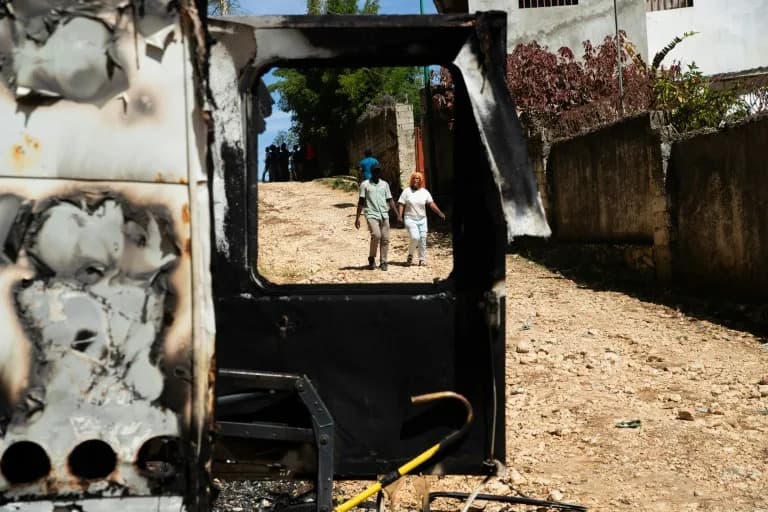
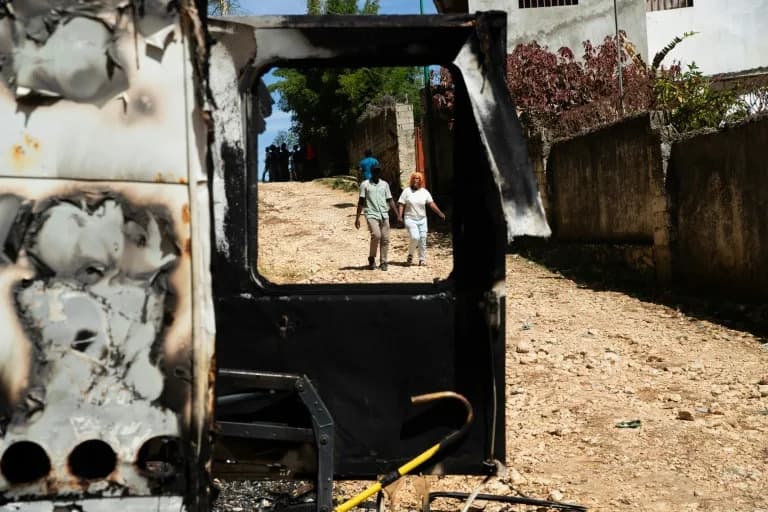
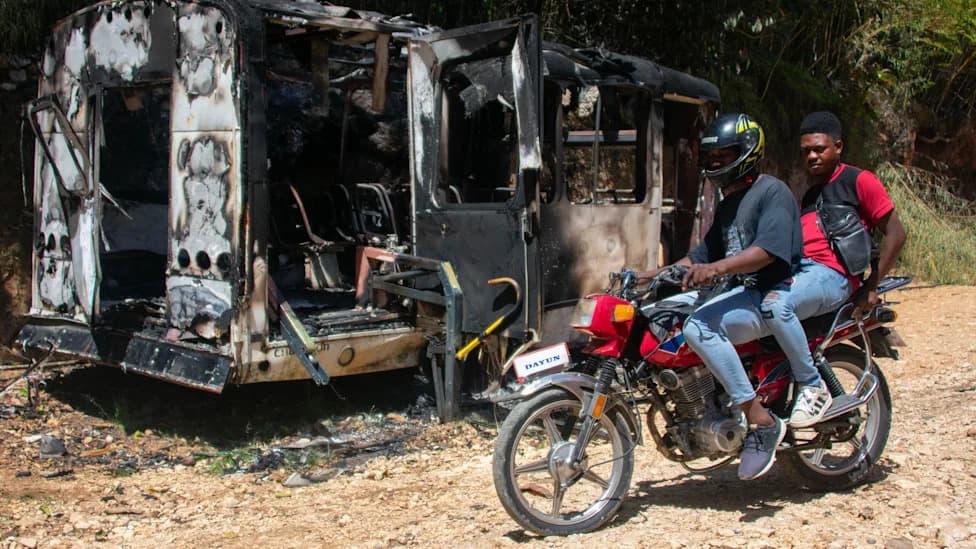
Haiti has been wracked by deadly gang violence with swaths of the Caribbean country controlled by heavily armed criminal syndicates (Clarens SIFFROY)
The Dominican Republic on Thursday urged the international community to strengthen the UN-backed Gang Suppression Force (GSF) deployed in Haiti, warning that fragile security gains could be reversed if the mission remains under-resourced.
Deployment Lagging Behind Plan
Established by the UN Security Council last year, the GSF was intended to scale up between April and October to a planned 5,500 uniformed personnel plus 50 civilian staff (a total authorization of 5,550). GSF spokesperson Igor Rugwiza has acknowledged that reaching that target on the proposed schedule is not feasible because of "logistical constraints."
Concerns From the Region
Dominican Foreign Minister Ito Bisono told fellow ministers on the sidelines of the UN General Assembly that security improvements in Haiti remain "frail" and the force lacks necessary contingencies to fulfill its mandate. He highlighted force shortfalls, saying that by July 8 the military component was reported at about 1,083 troops compared with an authorization of 5,550, and warned that full operational capacity may not be reached until late in the year.
Context: Violence, Elections and a New Mission
Haiti has suffered years of deadly gang violence, with large areas controlled by heavily armed criminal groups that local authorities have struggled to dislodge. The GSF — intended to be a more robust successor to the Kenya-led Multinational Security Support mission, which was criticized as under-equipped and under-funded — drew contributors from Chad, Mongolia, Jamaica, Guatemala, El Salvador and Sri Lanka.
Some reports in July indicated overall deployed personnel remained well below the UN authorization, underscoring a persistent gap between pledges and boots on the ground. The Dominican Republic, which shares the island of Hispaniola with Haiti, has taken an active role in regional stabilization efforts and is pushing for a stronger international response.
International Response and Next Steps
US Ambassador to the UN Mike Waltz, who recently visited Haiti, praised the force as "the real deal" for securing critical infrastructure that residents need for daily life. He echoed calls for countries that pledged personnel to follow through as negotiations continue at the UN Security Council over extending and consolidating the GSF's mandate.
Haiti is preparing for presidential and legislative elections — its first since 2016 — and a constitutional referendum scheduled for December 13, an event whose security depends in part on the strength and sustainability of the GSF deployment.
"We need to let it get to work because, colleagues, while we debate words on paper here, the gangs are not stopping with their terror," Waltz warned at the meeting.
Who Contributed Troops: Chad, Mongolia, Jamaica, Guatemala, El Salvador and Sri Lanka.
gw/dw
Help us improve.