Why Pro Formas Mattered: Pro forma sessions are seconds‑long congressional meetings used to satisfy Article I, Section 5’s three‑day rule and to prevent the Senate from entering a recess that would allow presidential recess appointments. This week, a 31‑second Senate pro forma and subsequent early‑morning sessions drew attention because leaders considered using them to act on DHS funding. Speaker Mike Johnson later endorsed a Senate funding plan, but House resistance prevented action and the shutdown continued.
Why Washington Obsessed Over Seconds-Long "Pro Forma" Sessions During the DHS Shutdown
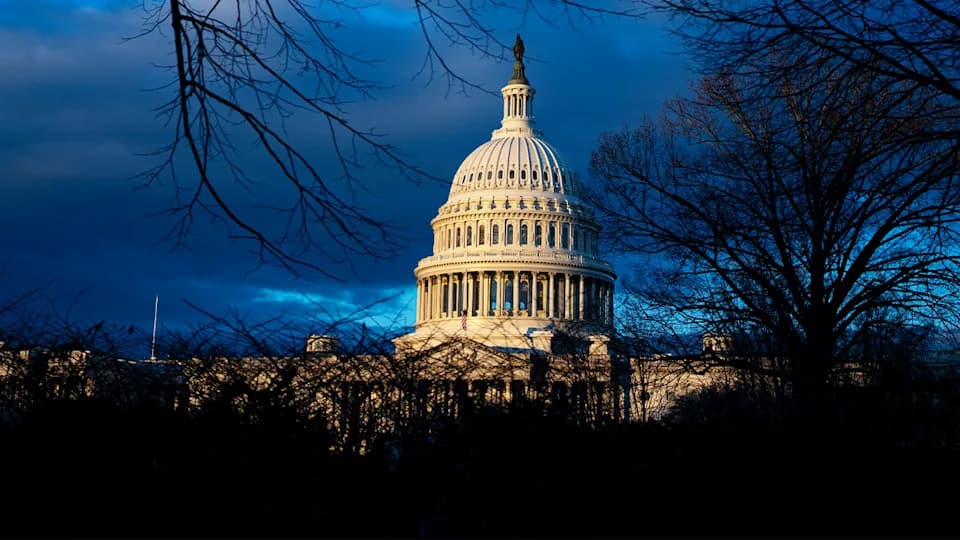
The U.S. Capitol dome Jan. 2, 2025.(Getty Images)
Washington focused intense attention this week on the House's and Senate's so‑called pro forma sessions — ceremonial meetings that can determine whether Congress is technically in session and, by extension, whether the president can employ certain constitutional powers during a recess.
What Is a Pro Forma Session?
In Latin, pro forma means “for the sake of form.” In Congress, pro forma sessions are extremely short, largely perfunctory gatherings used to satisfy the Constitution’s requirement that neither chamber adjourn for more than three days without the other’s consent.
Article I, Section 5 of the Constitution states: "Neither House, during the Session of Congress, shall, without the Consent of the other, adjourn for more than three days..." If the House and Senate do not agree to a mutual adjournment resolution, they are technically required to reconvene at three‑day intervals. Lawmakers typically meet only long enough to gavel in and out; Senate pro formas often last under a minute, and House sessions usually run two or three minutes.
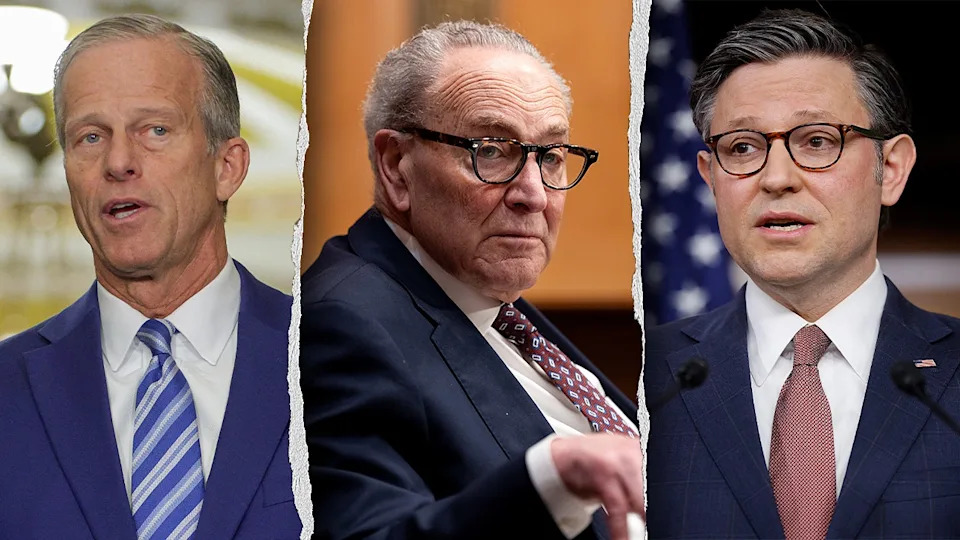
Senate Majority Leader John Thune, R-S.D.; Senate Minority Leader Chuck Schumer, D-N.Y.; and House Speaker Mike Johnson, R-La.
Why Pro Formas Matter
Pro forma sessions matter for two reasons. First, they formally count as congressional meetings, which prevents the Senate from being in a full recess that would permit the president to make recess appointments without Senate confirmation. Second, because pro formas are official convenings, either chamber could — in theory — conduct legislative business during them, turning a perfunctory session into a moment for urgent action.
What Happened Last Week
The Senate adjourned early on Friday, March 28, with the House following later that night. Without a mutual adjournment resolution, both chambers were scheduled to "meet" again the following Tuesday — creating pro forma opportunities amid an ongoing Department of Homeland Security (DHS) shutdown.
On Tuesday morning, the Senate convened around 10:33 a.m. ET with Sen. John Hoeven (R‑N.D.) presiding. The session lasted 31 seconds before Hoeven adjourned without conducting business. Sen. Chris Coons (D‑Del.) was the only other senator present; either could have sought recognition to try to pass the House’s DHS funding bill, but neither did.
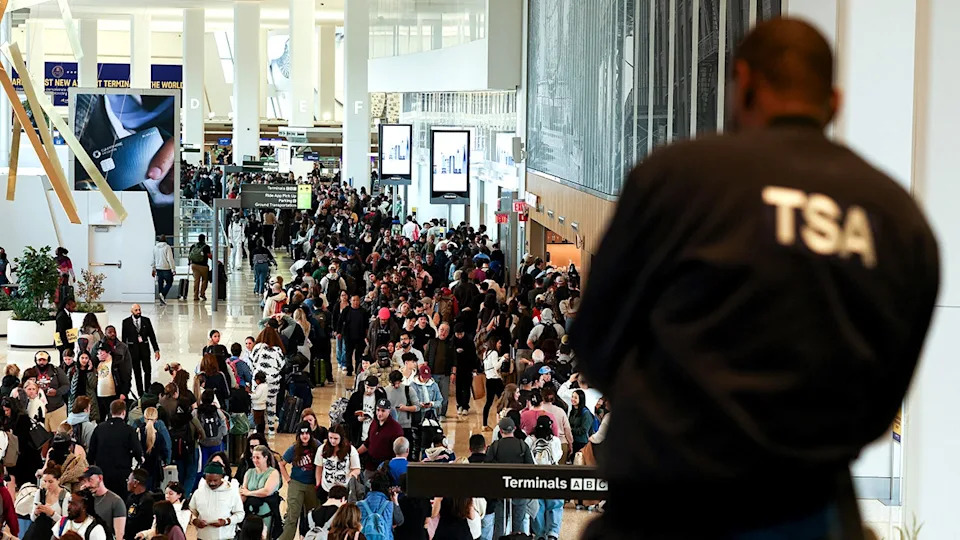
A Transportation Security Administration agent watches as passengers queue for security screening at LaGuardia Airport in New York City March 22.
The Senate scheduled a follow‑up pro forma for Thursday at 7:00 a.m., following the three‑day cadence required when there is no agreed adjournment.
Why Leaders Escalated the Stakes
The heightened attention came because House Republicans had passed a two‑month DHS funding bill, and some expected the Senate’s pro forma moments might be used to take up or pass that measure. The situation intensified on Wednesday when House Speaker Mike Johnson (R‑La.) reversed course and endorsed a Senate plan that would fund most of DHS through Oct. 1 but carve out Border Patrol and ICE. Speaker Johnson and Senate Majority Leader John Thune (R‑S.D.) issued a joint statement supporting the Senate approach, and Thune returned to the floor at dawn Thursday to press the measure.
The presence of party leaders on a pro forma floor is highly unusual, signaling the matter had escalated beyond a routine procedural placeholder. Still, the House Republican Conference pushed back, questioning Johnson’s sudden shift; the House ultimately did not take action in its own pro forma session later Thursday, and the chambers failed to align.
The Outcome
Despite intense media attention and political maneuvering, the recent high‑profile pro formas produced no legislative resolution: the House did not follow the Speaker’s endorsement with a vote, the Senate did not act during its brief sessions, and the DHS shutdown remained in effect. In short, the ceremonial meetings remained just that — formalities that prevented a recess but did not resolve the impasse.
Bottom line: Pro forma sessions are short, constitutionally meaningful meetings that can block recess appointments and, if used differently, could be a last‑minute venue for action — but this week they produced no deal.
Help us improve.