Cuba began releasing inmates on Friday after state media announced a broad amnesty described as a "sovereign and humanitarian" gesture — the largest such move in about a decade. More than 2,000 people are slated to be freed, according to official reports issued Thursday evening.
Authorities said the pardon covered a range of offenses. Observers and human rights organizations, however, are watching closely to determine whether any of those the U.S. and rights groups consider political prisoners are included in the releases.
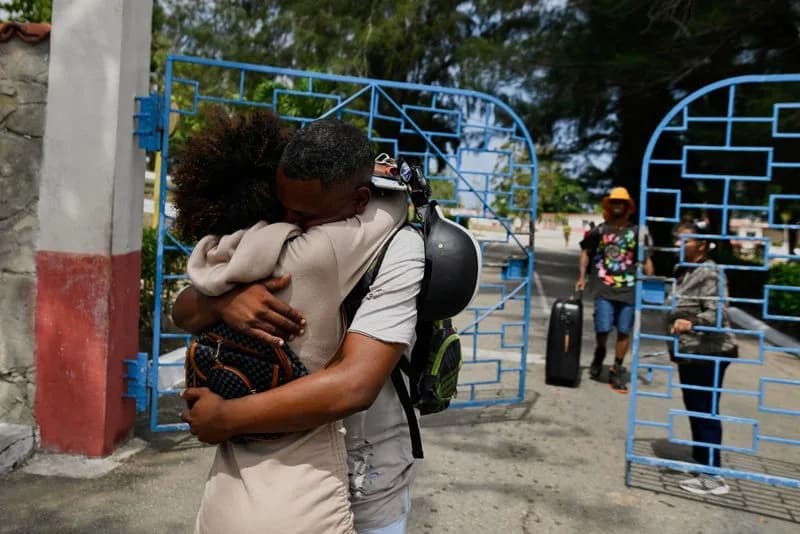
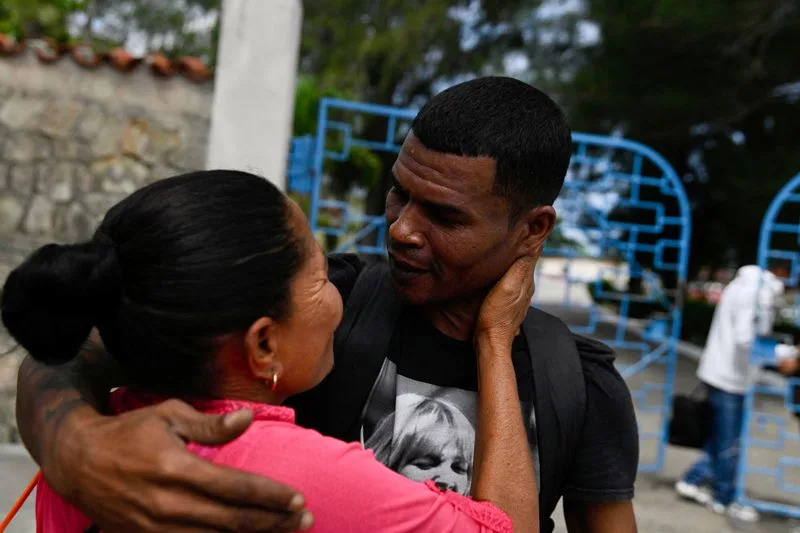
A released prisoner embraces a relative as he leaves La Lima penitentiary as part of the amnesty for more than 2,000 prisoners that the communist-run government has announced amid talks with the administration of U.S. President Donald Trump, Havana, Cuba, April 3, 2026. REUTERS/Norlys Perez
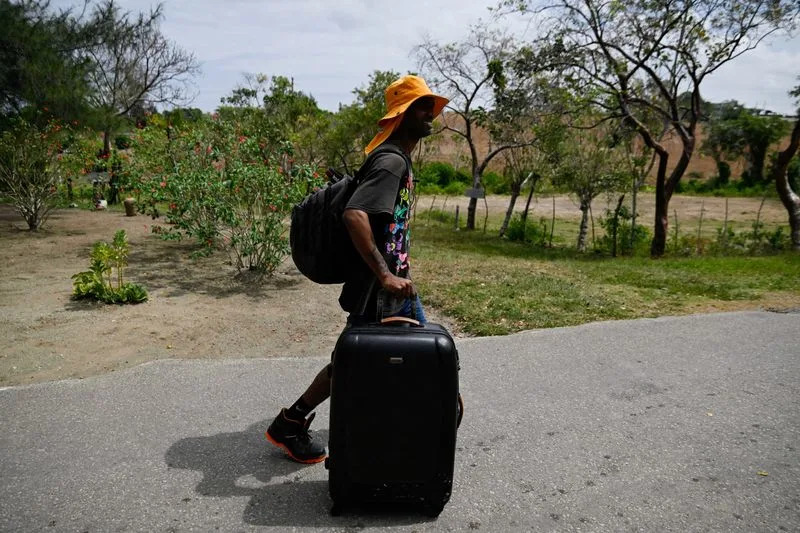
A steady stream of men and women left La Lima prison in Guanabacoa, on Havana's outskirts, throughout Friday morning. Reuters reporters spoke with several people who said they had been pardoned for common crimes such as theft and bribery; none reported being jailed for participating in anti-government protests. Many left clutching a single white slip of paper listing "pardon" as the reason for discharge, while others embraced waiting relatives.
"Long-live freedom," one released inmate convicted of theft shouted as he reunited with his sister outside the prison gates.
Abel Tamayo, convicted of bribery in 2024 and released under the amnesty, told reporters the move signaled willingness by the government to engage in dialogue and national unity. The Cuban government has repeatedly rejected suggestions that its decisions are taken under U.S. pressure; state media made no mention of the U.S. or the Vatican in summaries of Thursday's announcement.
Released prisoner Roelvis Saname, 26, leaves La Lima penitentiary as part of the amnesty for more than 2,000 prisoners that the communist-run government has announced amid talks with the administration of U.S. President Donald Trump, Havana, Cuba, April 3, 2026. REUTERS/Norlys Perez
Human rights groups — including the Madrid-based Cuban Observatory for Human Rights, which has received some U.S. funding — say Cuba is holding hundreds of political prisoners and pledged to scrutinize the release process. By midday Friday, that group reported it had not yet recorded the release of any individuals it classifies as "prisoners of conscience." Cuban officials maintain those detained after anti-government protests were convicted of crimes such as public disorder, resisting arrest, robbery and vandalism.
Verification is complicated because Cuba does not typically publish lists of names included in amnesties. Reuters sources said several prisons in and around Havana and in other provinces had begun releasing inmates under the pardon.
The move echoes past large-scale pardons: in late 2015 Cuba freed 3,522 prisoners during Pope Francis' visit amid a thaw with the United States, and in March Havana released 51 inmates under an agreement with the Vatican — a release that rights groups said included some, but not all, people they regard as political detainees.
What Happens Next: International monitors, human rights organizations, and U.S. officials are likely to continue pressing for transparency about who was released. The presence or absence of those deemed political prisoners will shape international reaction and influence ongoing diplomatic dynamics between Havana and Washington.