The World Trade Organization meeting in Yaounde is edging toward a reform roadmap that sets timelines and priorities to strengthen decision‑making, clarify benefits for developing countries, and increase subsidy transparency. Progress is threatened by a US‑India deadlock over extending a 1998 moratorium on customs duties for electronic transmissions, which expires this month. Diplomats have floated compromises ranging from two to 10 years — and possibly a four‑year middle ground — while the U.S. has pushed for a permanent extension.
WTO Nears Reform Roadmap as US‑India E‑Commerce Standoff Holds Up Moratorium
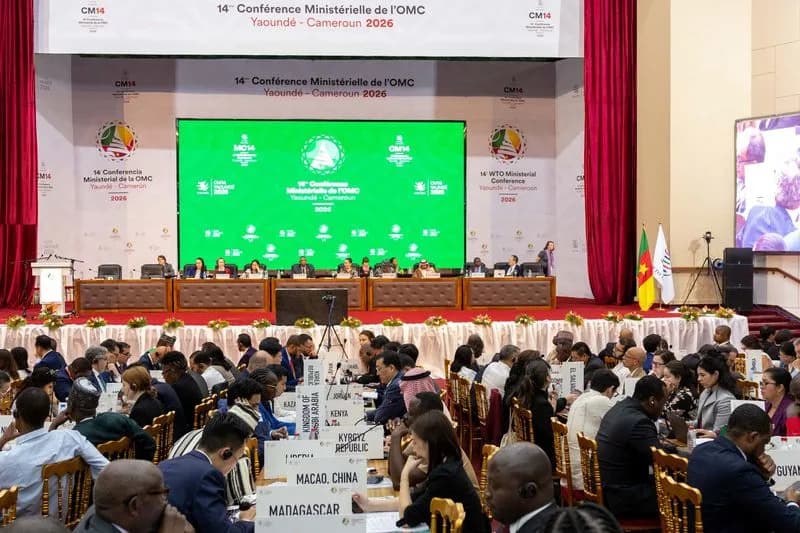
Delegates attend the World Trade Organisation (WTO) 14th ministerial meeting in Yaounde
YAOUNDE, March 29 (Reuters) — Trade ministers meeting at the World Trade Organization in Cameroon appear close to agreeing a reform roadmap, even as negotiations remain deadlocked over whether to extend a long‑standing moratorium on customs duties for electronic transmissions such as digital downloads.
Draft Reform Plan Takes Shape
After initial resistance from several members, a new draft of the proposed reform roadmap lays out a clearer timeline and identifies the principal issues that must be resolved, according to a copy of the draft seen by Reuters. The draft aims to make the WTO more effective by tackling long‑standing procedural and substantive challenges.
Key priorities in the draft include improving decision‑making within the WTO's consensus‑based system, clarifying the trade benefits afforded to developing countries, and increasing transparency around the use of subsidies. The United States and the European Union have argued that current rules have been exploited to their detriment, singling out China in their critiques.
An initiative to fold into WTO rules an agreement reached by a subset of members — intended to boost investment in developing countries — remains blocked by India, which warns that plurilateral accords could erode the organisation's founding principles.
E‑Commerce Moratorium Still Unresolved
Alongside roadmap discussions, diplomats continue to negotiate the fate of the 1998 moratorium on customs duties for electronic transmissions, which is due to expire this month. Extending the moratorium is widely viewed as a test of the WTO's relevance and as important to maintaining predictability for digital trade.
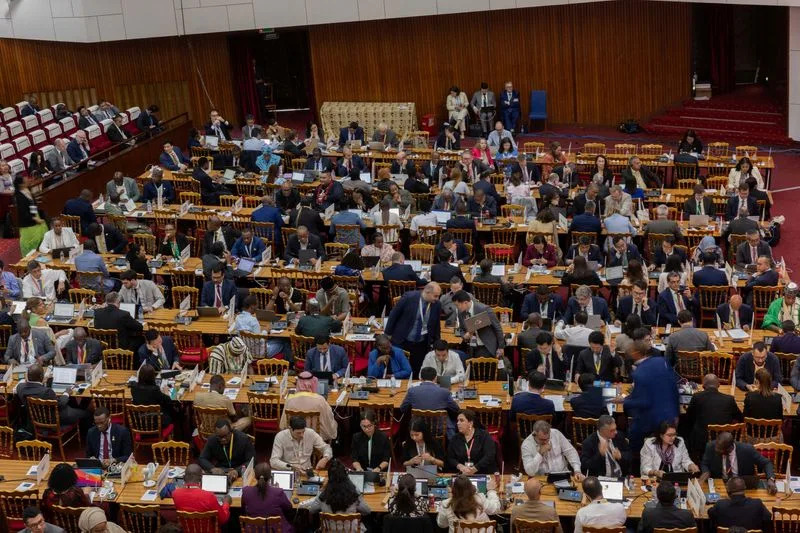
Delegates attend the World Trade Organisation (WTO) 14th ministerial meeting in Yaounde
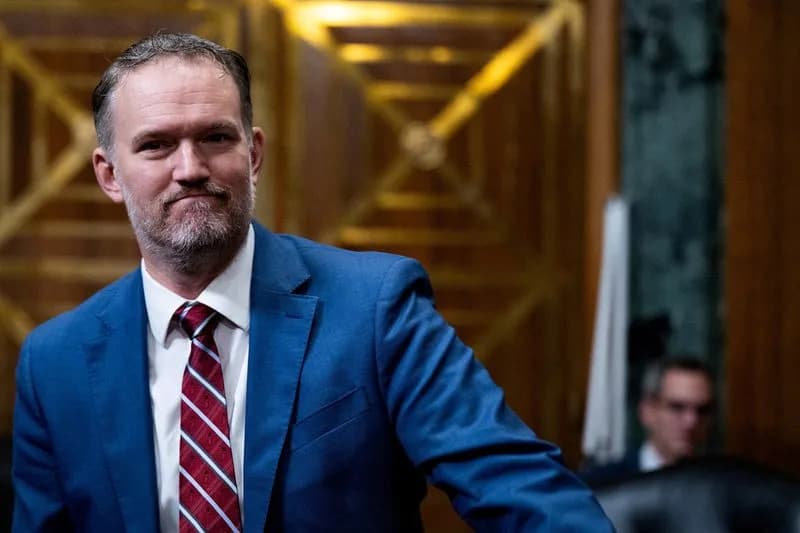
Diplomats said India indicated it would accept a two‑year extension, while some delegates suggested the United States could accept a 10‑year extension; a four‑year compromise has also been discussed. U.S. Trade Representative Jamieson Greer was quoted this week saying Washington favours a permanent extension.
A new draft on e‑commerce seen by Reuters proposed measures to assist developing‑country members concerned about potential revenue losses from digital trade duties and included a review clause to reassess the arrangement later.
If the moratorium does not get extended, the U.S. will use it as an excuse to beat the WTO on the head.
— senior diplomat (speaking on condition of anonymity)
Business groups warn that without an extension, countries might impose duties on digital transmissions, undermining predictability for companies and investors. Observers say reaching a compromise on e‑commerce will be important to secure broader U.S. support for the reform package.
Negotiations are expected to continue through the meeting in Yaounde as ministers seek a compromise that balances the concerns of developing members with pressure from major trading partners to modernise WTO rules.
Help us improve.