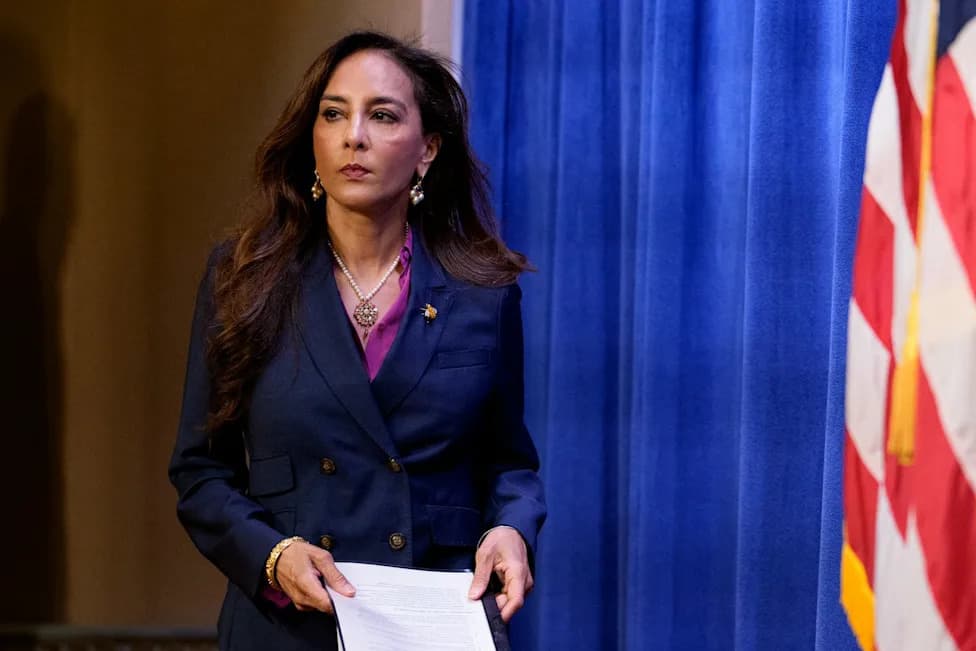
The TSA warns the partial government shutdown will leave lingering effects on airport security and staffing even after funding returns. Deputy Administrator Adam Stahl said missed pay, rising callouts and more than 480 resignations have driven record wait times, and restoring back pay will take time due to external disbursement systems. Officials also fear the upcoming World Cup — an expected 6–10 million extra travelers — could amplify strain on screening operations.
TSA Warns Shutdown Will Cause 'Long-Standing' Damage — World Cup Could Make It Worse
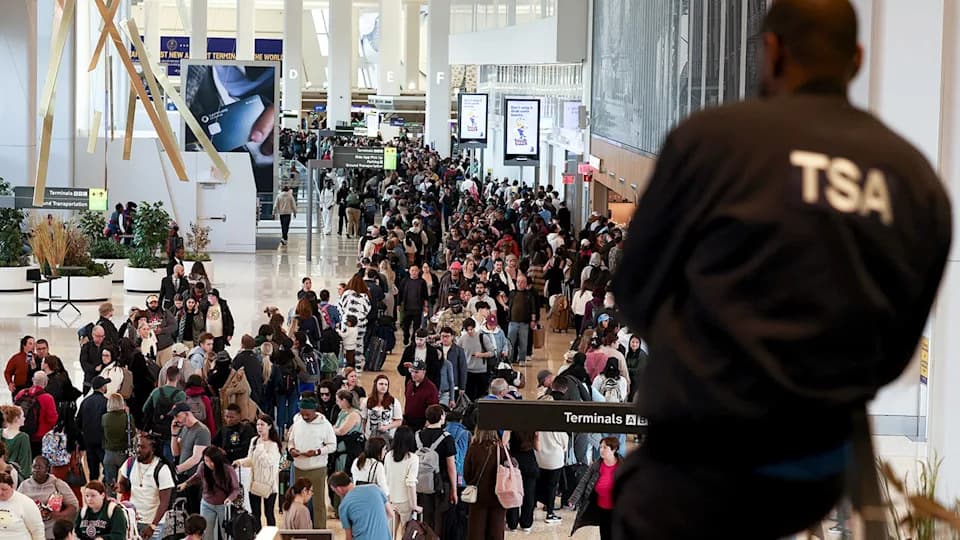
A TSA agent looks at a passengers' security queue at New York's LaGuardia Airport on March 22, 2026.(Getty Images)
The Transportation Security Administration (TSA) warns that the partial federal shutdown will leave persistent damage to airport security and staffing even after Congress restores funding. Weeks of missed pay, rising callouts and a wave of resignations have produced what the agency describes as the longest security wait times in its history.
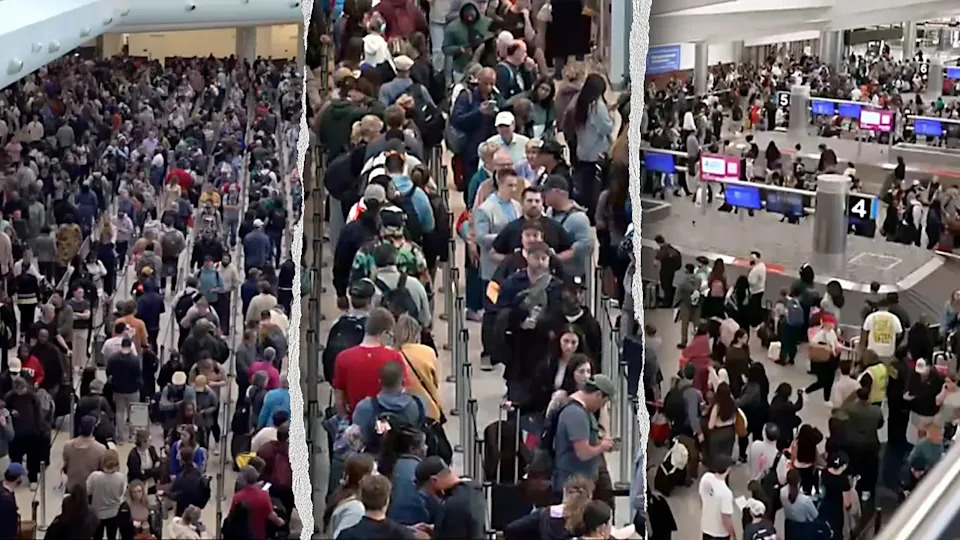
Travelers experienced extensive wait times Sunday, March 22, 2026, at Louis Armstrong New Orleans International Airport (left, middle) and Hartsfield-Jackson Atlanta International Airport (right) due to the partial government shutdown.
Impact on Workforce and Operations
TSA Deputy Administrator Adam Stahl told Fox News Digital that many officers have gone without roughly a month’s pay and that more than 480 TSA employees have resigned amid the crisis. Callouts have surged, and the agency is struggling to maintain normal screening operations at many airports.
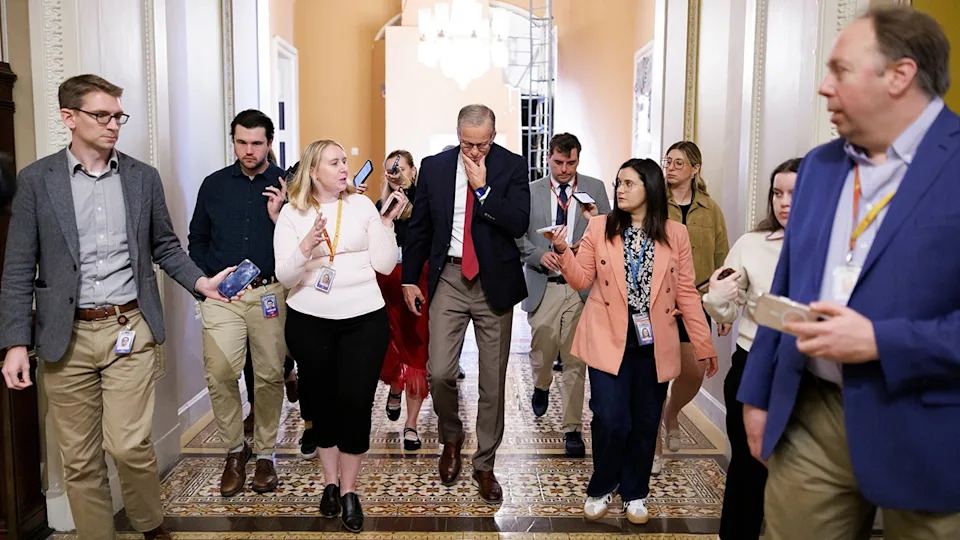
Senate Majority Leader John Thune, R-S.D., speaks to reporters amid the ongoing battle with Senate Democrats to fund the Department of Homeland Security.
"I can tell you right now that the reverberations that will be felt from this will be long-standing. They will continue for days after we get a re-appropriation and funding, particularly for the department for TSA," Stahl said. "We are already taking proactive measures to make sure that we're going to get our people paid as quickly as possible."
Why Restoring Pay Won't Be Instant
Even if Congress passes a spending bill, Stahl warned that distributing back pay will take time because financial disbursement systems outside the department must process the payments. "There are systems in place, financial systems that are outside of a department that we rely on to dispense and disburse funds," he said. TSA is coordinating with partners to accelerate payments but expects a lag before paychecks land.
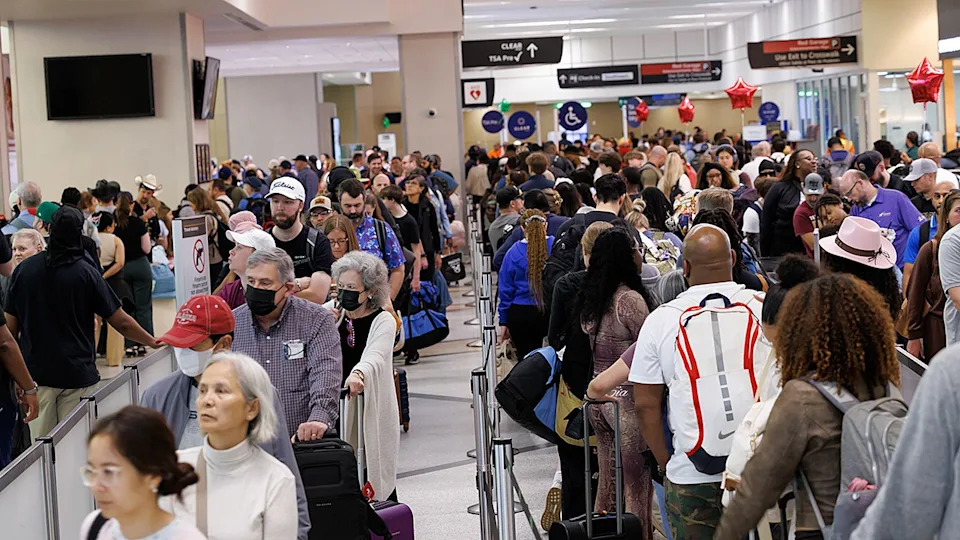
Travelers wait in line at a TSA checkpoint at William P. Hobby Airport in Houston, Texas, on March 9, 2026.
Concerns About Retention And Upcoming Travel Demand
Stahl noted a prior shutdown earlier in the fiscal year led to roughly a 25% immediate increase in attrition, and officials fear similar or worse effects this time. Compounding the challenge: the United States is hosting the World Cup this year. Stahl said organizers expect an additional six to ten million travelers on top of a busy summer travel season, a surge that could further strain screening capacity and personnel.
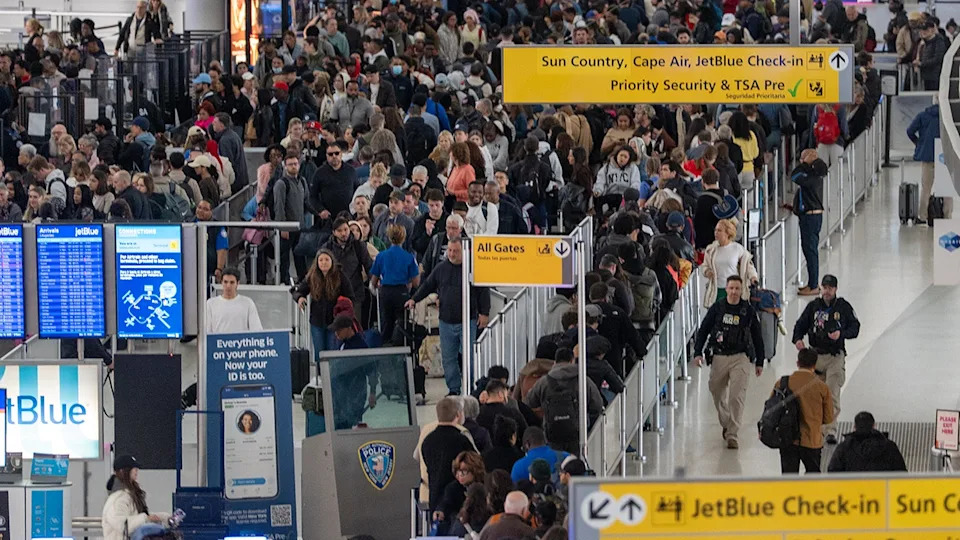
Long lines at security checkpoints at JFK airport in New York City on Monday, March 23, 2026. ICE agents were being brought in to assist TSA agents amid staffing shortages due to the government shutdown.
"We're concerned, and we have the World Cup coming up as well with an expected six to ten million travelers on top of a busy summer travel season, so we could really be in a difficult position for the long term," Stahl said.
Politics And Temporary Measures
On Wednesday evening a procedural vote to fund the Department of Homeland Security (DHS) failed for the sixth time, a reminder that the measure requires 60 votes to overcome a filibuster. Democrats have sought changes tied to Immigration and Customs Enforcement (ICE) policies, while Republicans say funding should not be contingent on those reforms.
To stretch limited screening resources, TSA has suspended expedited escort services for members of Congress, prioritizing the traveling public. The White House also directed ICE personnel to help at airports over the past weekend; Stahl said their presence has helped but that their deployment depends on how quickly TSA staffing and pay return to normal.
"Hopefully, we won't need them much longer," Stahl said of ICE support. "But again, they've been incredibly helpful, and we really appreciate the support from the president and from ICE."
Outlook
TSA leaders emphasize that restoring normal operations hinges on Congress funding DHS and TSA, and that recovery will take days to weeks as pay is processed and as the agency works to stabilize staffing ahead of major travel events.
Help us improve.