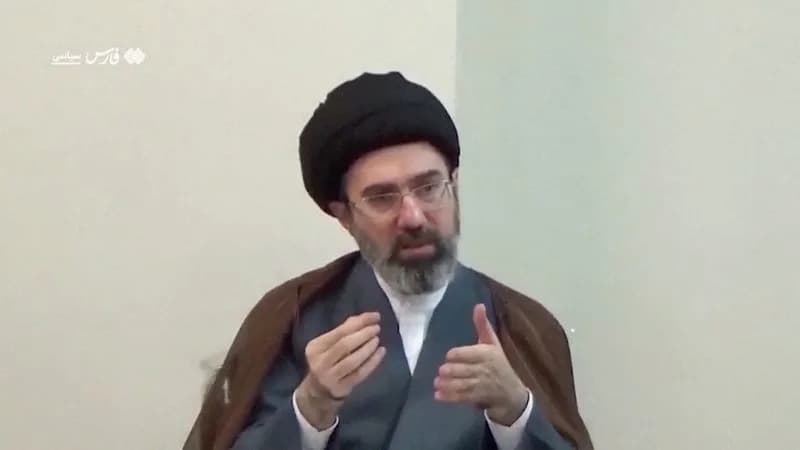
Mohammad Bagher Zolghadr has been appointed head of Iran’s Supreme National Security Council following the death of Ali Larijani in a recent air strike. A first-generation IRGC veteran and former joint-staff chief, Zolghadr brings deep military and institutional experience to a role closely linked to Supreme Leader Mojtaba Khamenei. He now faces immediate tests: ongoing strikes and arrests at home, a regional missile campaign, and pressure in the Strait of Hormuz — and he will be a key figure in any negotiations to end the conflict.
Iran Names Mohammad Bagher Zolghadr SNSC Chief — What His Appointment Means
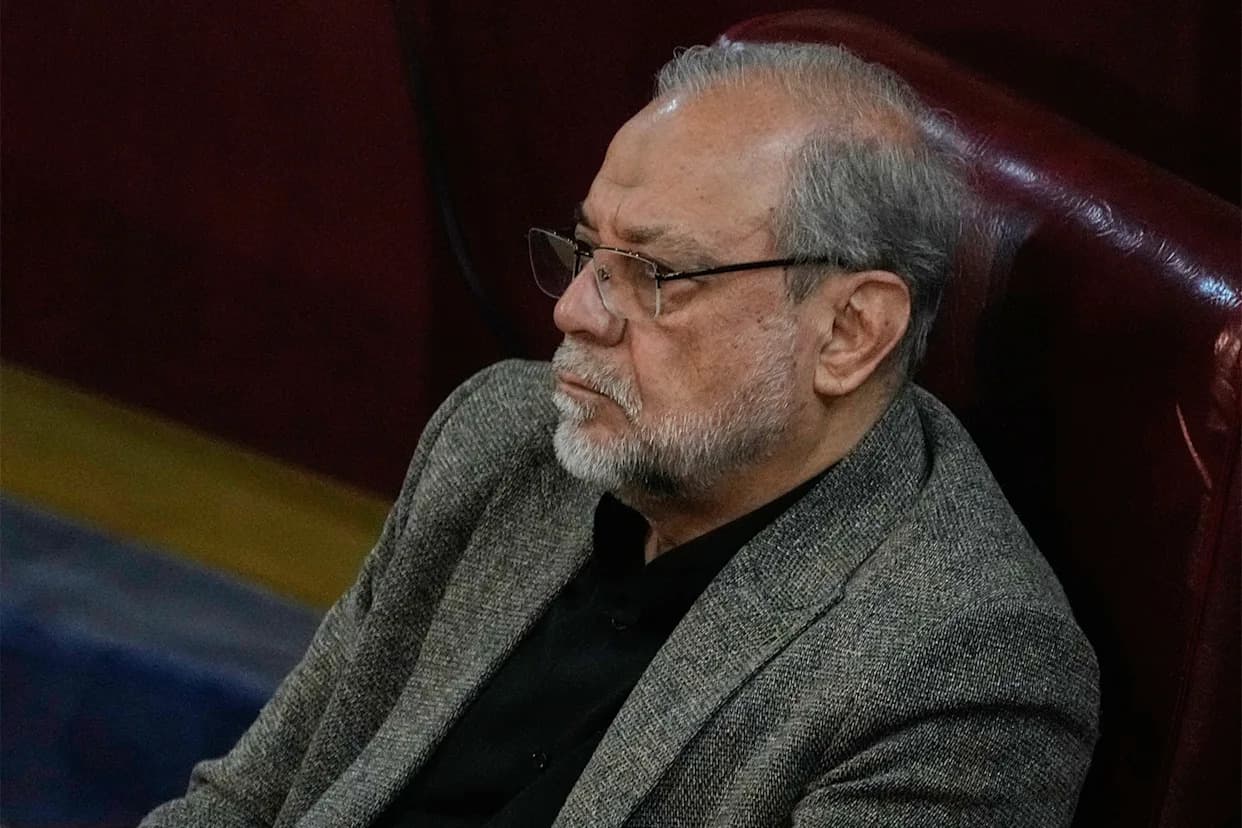
Mohammad Bagher Zolghadr attends the inauguration ceremony of the 6th term of the Assembly of Experts in Tehran, Iran, May 21, 2024 [Vahid Salemi/AP Photo]
Iran on Tuesday named Mohammad Bagher Zolghadr as head of the country’s Supreme National Security Council (SNSC), succeeding Ali Larijani, who was killed in an air strike last week. The appointment places a seasoned military figure at the center of Iran’s national security apparatus at a time of heightened regional tensions and domestic unrest.
A Veteran Security Figure
Described by Al Jazeera as a "heavyweight security figure," Zolghadr is a first-generation member of the Islamic Revolutionary Guard Corps (IRGC) who fought in the Iran–Iraq war. His long career includes eight years as chief of the IRGC Joint Staff and another eight years as the organisation’s deputy commander-in-chief. Since 2023 he has served as secretary of the advisory Expediency Council and has held senior political and judicial posts, giving him both military credibility and institutional influence.
Why This Choice Matters
Zolghadr’s appointment reflects Tehran’s calculation that the SNSC role demands intimate knowledge of security operations combined with political acumen. The post is closely tied to the office of the new Supreme Leader, Mojtaba Khamenei, and requires someone able to manage strategic portfolios across the military, intelligence and diplomatic spheres. Hardline elements in Tehran may view his strong military background as better suited to the country’s current war footing than the more politically experienced Larijani.
Immediate Challenges
Zolghadr inherits a complex and volatile environment. Strikes have continued across Iran — not only in major cities such as Tehran and Isfahan but with particular intensity in western and northwestern provinces, including East Azerbaijan. Authorities have detained hundreds accused of collaborating with foreign actors, actions observers say are intended to prevent internal security breaches following widespread protests earlier this year.
Externally, Iran is maintaining a campaign of missile strikes in the region aimed at demonstrating reach into Israeli territory. Tehran is also pressing on maritime routes in the Strait of Hormuz to disrupt shipping — a tactic that has already affected global trade and contributed to higher oil prices. Together, these pressures create a dual challenge of deterrence abroad and stability at home.
Role in Diplomacy and Decision-Making
Zolghadr will be central to any talks aimed at de-escalation. As Al Jazeera’s Ali Hashem reported from Tehran, Zolghadr’s presence adds a stronger military layer to Iran’s national security establishment, and his approval will likely be necessary for major negotiation outcomes.
"Zolghadr’s appointment suggests Iran’s leadership is trying to add more military layers to the national security establishment," Al Jazeera’s Ali Hashem said.
"An important thing to note is that whoever is sitting at the negotiation table will have to get Zolghadr’s approval before anything passes," he added.
What Comes Next
The selection of Zolghadr signals a leadership preference for experienced military management of a volatile security landscape. His early performance will be judged on his ability to balance deterrence and de-escalation, maintain internal order without exacerbating unrest, and coordinate with political leaders — including the office of the Supreme Leader — on any path toward negotiations with the United States and other parties.
Help us improve.