A New York Times investigation reports that a site described by U.S. and Ecuadorian officials as a "narco-terrorist supply complex" was actually a cattle and dairy farm. Witnesses say Ecuadorian soldiers burned buildings, beat four workers and subjected detainees to electric shocks and water immersion. Officials claim firearms and other evidence were recovered and say some intelligence came from U.S. support; U.S. spokespeople said a U.S. helicopter assisted but that Ecuador carried out the strike. The military has not publicly released corroborating evidence.
Report: U.S.-Backed Strike Hit Ecuador Dairy Farm, Not 'Narco-Terrorist' Camp
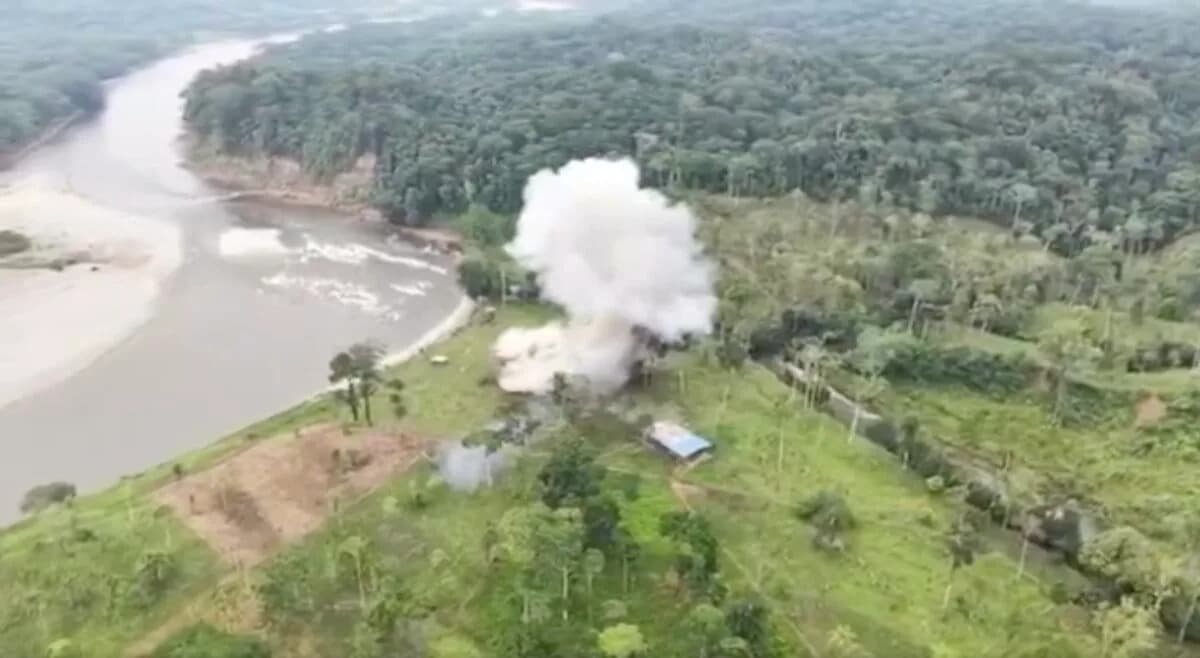
A New York Times investigation concludes that a site the U.S. government and Ecuadorian military described as a "narco-terrorist supply complex" was in fact a working cattle and dairy farm, according to interviews with the farm's owner, employees and local residents.
The strike took place amid an expanded U.S. campaign targeting vessels allegedly carrying drugs off the coast of Latin America. U.S. Southern Command posted a brief statement and a March 3 video showing roughly fifteen soldiers boarding helicopters, but provided few operational details.
"Together, we are taking decisive action to confront narco-terrorists who have long inflicted terror, violence, and corruption on citizens throughout the hemisphere," the Southern Command statement said.
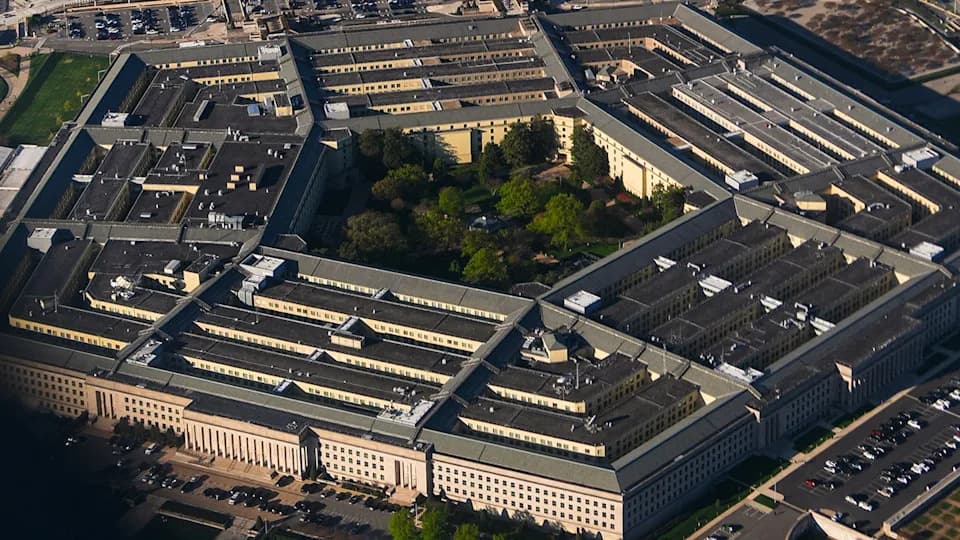
Three days later, the Pentagon’s assistant for public affairs, Sean Parnell, posted video footage showing an apparent bombing and the ruined remains of a structure. Defense Secretary Pete Hegseth reshared the clip on X, saying the U.S. was "bombing Narco Terrorists on land as well."
What Witnesses Told Reporters
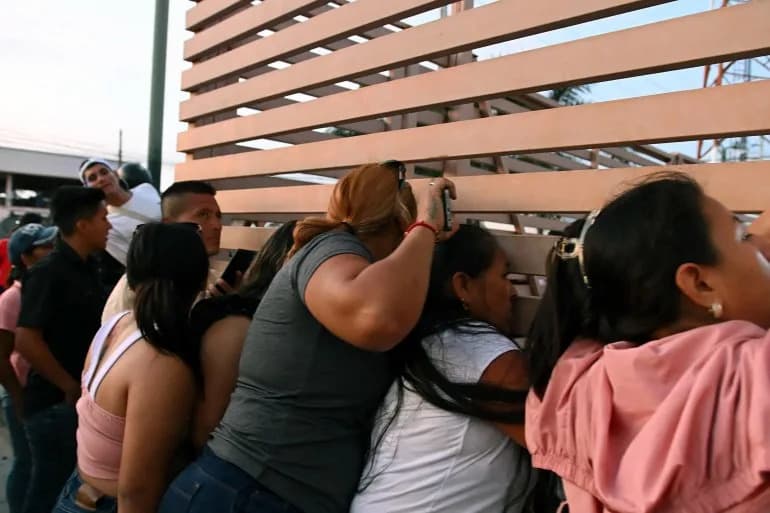
Reporting by The New York Times cites multiple eyewitness accounts that contradict the military characterization. Residents and workers said Ecuadorian soldiers arrived by helicopter, doused buildings with gasoline and set them on fire. Four workers were reportedly beaten with rifle butts; one worker allegedly lost consciousness after being repeatedly immersed in a barrel of water. Several workers said they were flown to a different location, held overnight and subjected to electric shocks during interrogation.
Witnesses also said helicopters returned about three days after the initial burning and that explosives appeared to have been dropped on the already damaged farm. They told reporters that footage later circulated by U.S. officials was taken during that return visit. The farm's employees and neighbors insisted the property had no links to drug trafficking.
Official Claims and Gaps
The Ecuadorian military released a statement asserting the site had been used by drug traffickers and said some of that information came from U.S. intelligence and support. Officials reported recovering firearms and other alleged evidence of illicit activity, but did not publish corroborating photos or documentation in this case — though the military frequently publicizes evidence after other operations.
A former Ecuadorian army intelligence director, Mario Pazmiño, said senior officers had told him the property was associated with the leader of a trafficking group called the Commandos. A representative for the Commandos denied to The Times that the group used the farm.
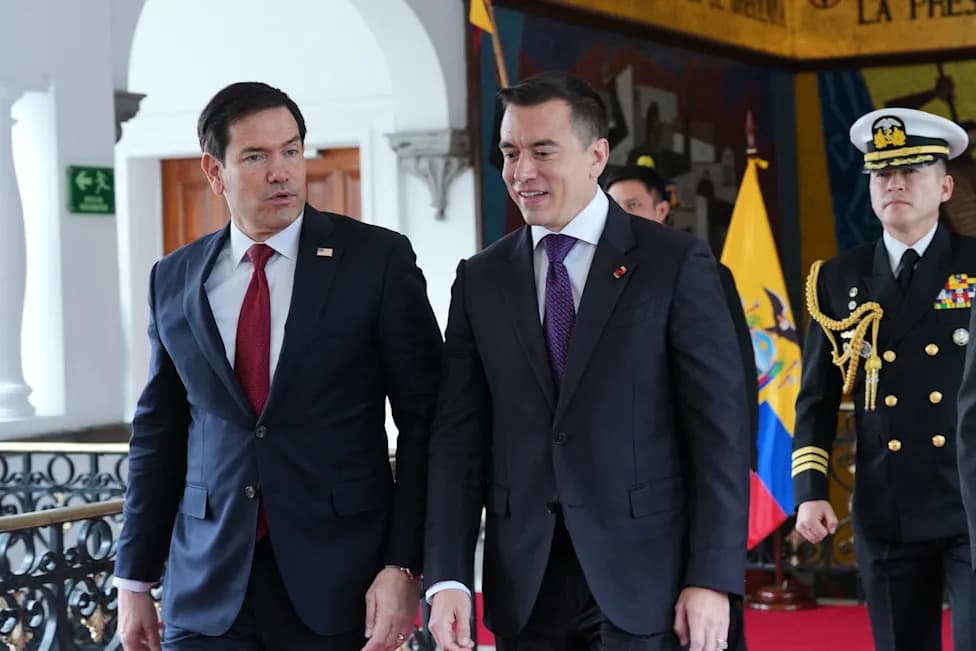
U.S. officials told The New York Times a U.S. helicopter assisted the operation but that U.S. personnel did not conduct the bombing. Pentagon press secretary Kingsley Wilson described the action as "jointly" conducted with Ecuador and declined to provide further details for operational-security reasons. The Ecuadorian government, including President Daniel Noboa, did not respond to detailed questions from reporters.
This reporting highlights conflicting accounts between local witnesses and official statements. The lack of publicly released evidence — photos, forensic reports or detailed operational logs — leaves key questions unresolved about how the target was identified and what role foreign intelligence played.
Help us improve.