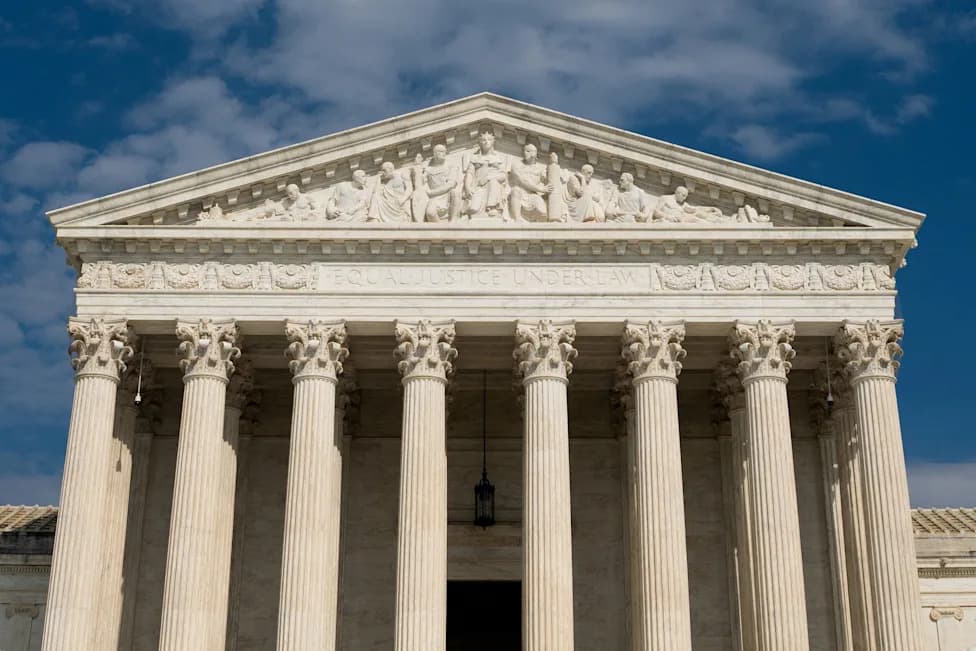
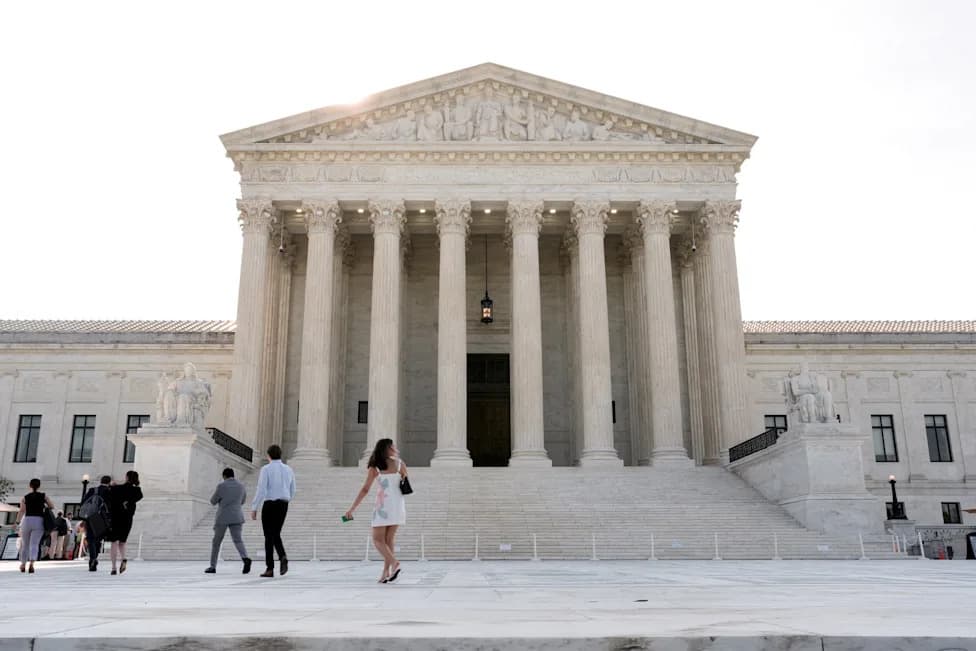
The Supreme Court will hear a challenge to "metering," a policy that allowed officials to turn away asylum seekers at the southern border before they entered the United States. The practice began in 2016, was expanded under Trump, and was rescinded by Biden in 2021, but the Justice Department has continued to defend it. The key question is whether federal law requires processing people who are stopped on the Mexican side when they present for asylum. The court’s ruling could significantly affect asylum access and border-management authority.
Supreme Court to Review ‘Metering’ Policy That Turned Away Asylum Seekers

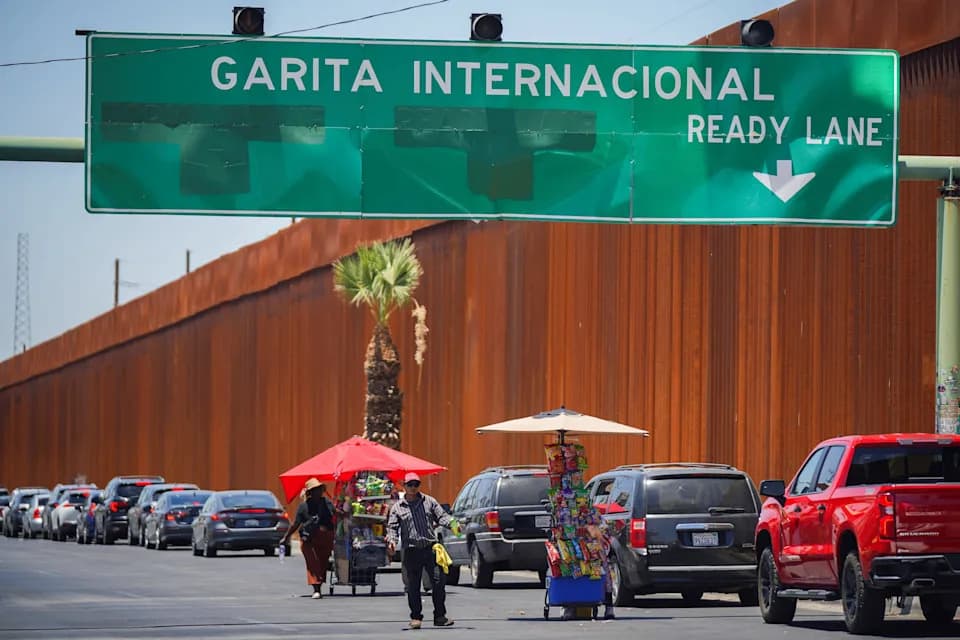
The wall at the US-Mexico border is seen in Nogales, Arizona, on February 4, 2026. - Olivier Touron/AFP via Getty Images
The Supreme Court on Tuesday will consider the legality of a border-management practice known as "metering," which allowed U.S. officials to turn away migrants seeking asylum before they entered the country. The practice originated during the final weeks of the Obama administration, was formalized under President Donald Trump, and was rescinded by President Joe Biden in November 2021 — though the Justice Department has continued to defend it in federal court.
The Legal Question
At issue is a narrow statutory question with broad consequences: does federal law require immigration officials to begin processing a person for asylum if that person is stopped on the Mexican side of the border before physically entering U.S. territory? The administration argues it does not. In court papers, former Trump Solicitor General D. John Sauer wrote that the ordinary meaning of "arrives in" requires entry into the United States, not merely approaching or encountering officials across the border.
Arguments From Both Sides
Opponents of metering — including the nonprofit Al Otro Lado and more than a dozen individual plaintiffs who brought the suit — contend the statute's plain language requires inspection and processing of anyone who presents themselves seeking protection, even if they have not yet stepped onto U.S. soil. Their briefs emphasize Congress’s use of the present tense and say the law was meant to cover people "attempting to step over the border."
"The phrase 'physically present in the United States' encompasses noncitizens within our borders, and the phrase 'arrives in the United States' encompasses those who encounter officials at the border, whichever side of the border they are standing on," Judge Michelle Friedland wrote for a 9th Circuit majority in 2024.
Background And Consequences
Metering first appeared in 2016 amid a surge of Haitian asylum seekers and was expanded by the Trump administration in 2018 to give ports of entry discretion to admit migrants only when "sufficient space and resources" were available. Litigation followed: a federal judge in California ruled the practice unlawful and certified a protected class, and a divided 9th U.S. Circuit Court of Appeals affirmed that ruling in 2024.
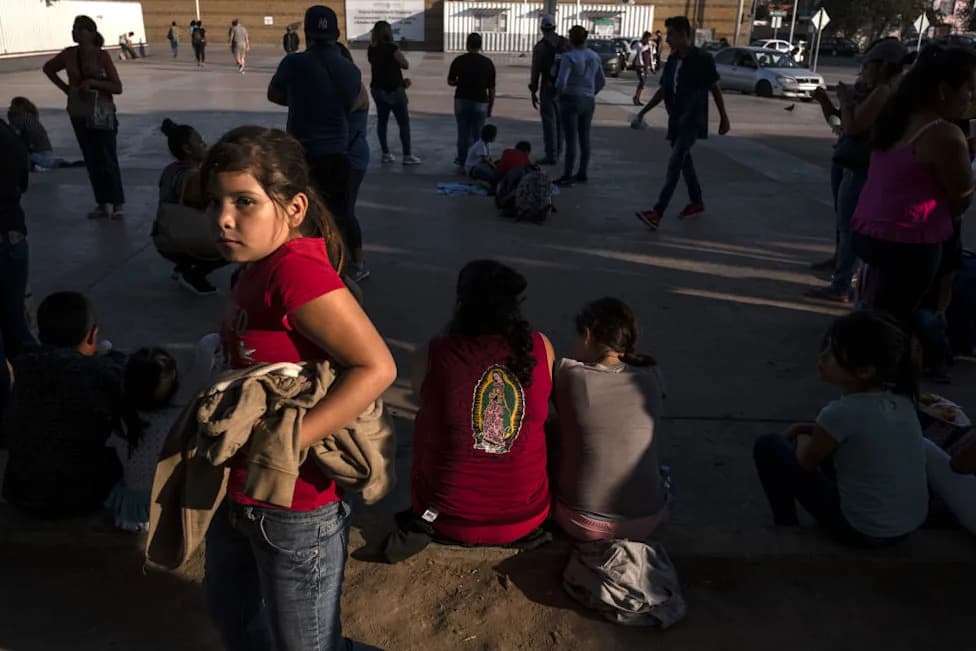
Critics say metering produced severe humanitarian consequences, leaving many migrants in makeshift camps on the Mexican side without reliable food, shelter, or safety and pushing some to attempt dangerous crossings between ports of entry. Advocates and groups such as HIAS have compared those harms to historical episodes of refoulement, including the 1939 MS St. Louis, arguing the policy created a "legal no man’s land."
Why The Case Matters
Although the policy is not currently in effect, the Supreme Court’s decision could shape how the government manages asylum seekers, the scope of statutory protections, and the extent of administrative flexibility at ports of entry when resources are constrained. The case is one of several this term testing high-profile immigration measures, including challenges related to birthright citizenship and temporary protections for nationals from certain countries.
As the justices weigh statutory interpretation, administrative authority and humanitarian concerns, their ruling may set important precedents for border policy and asylum access for years to come.
Help us improve.