The UC San Diego genomic study suggests many animal viruses may already be capable of infecting humans without extensive adaptation, so human exposure—not rare viral mutations—can drive spillover. Habitat loss, land-use change and climate change increase contact with wildlife and raise spillover risk. Experts call for stepped-up One Health surveillance, genomic sequencing, environmental sampling and AI tools to detect and prioritize animal pathogens before they spark new outbreaks.
Many Animal Viruses May Already Be Able to Infect Humans, UC San Diego Study Warns

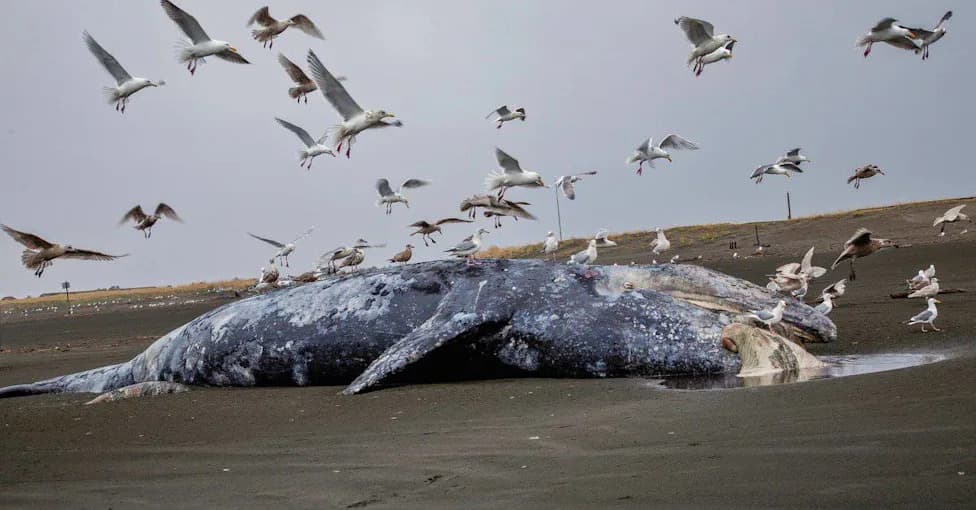
Flying birds over Market Square of the Old Town with Christmas decorations. Warsaw, Poland© OLAYOLA/Shutterstock.com
There is a vast, unseen microbial world all around us—bacteria, viruses and other microorganisms—that we encounter every day. Most exposures are harmless, but the COVID-19 pandemic changed how scientists and the public view viruses that jump from animals to humans (zoonoses).
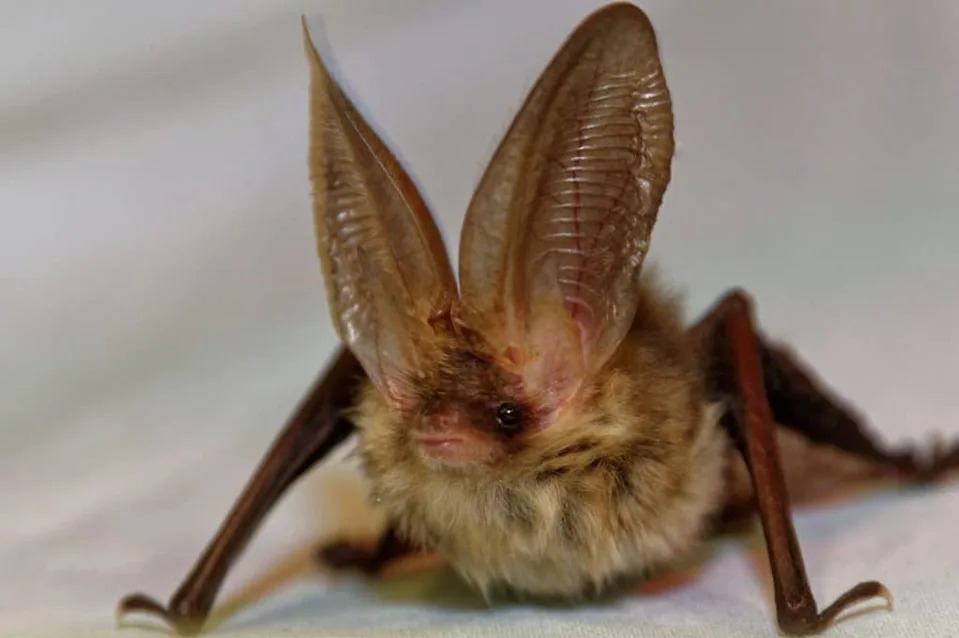
SARS-CoV-2 is widely thought to have ultimately originated in bats, possibly reaching humans either directly or through an as-yet-unconfirmed intermediate host.©Colin Seddon/Shutterstock.com(Colin Seddon/Shutterstock.com)
Key Finding: Many Animal Viruses Could Infect Humans Without Major Change
A recent genomic study from the University of California, San Diego finds that numerous animal viruses may already possess the biological capacity to infect humans without requiring extensive evolutionary adaptation. The authors argue that what often matters most is human exposure to a diverse pool of animal viruses, not necessarily rare viral mutations.
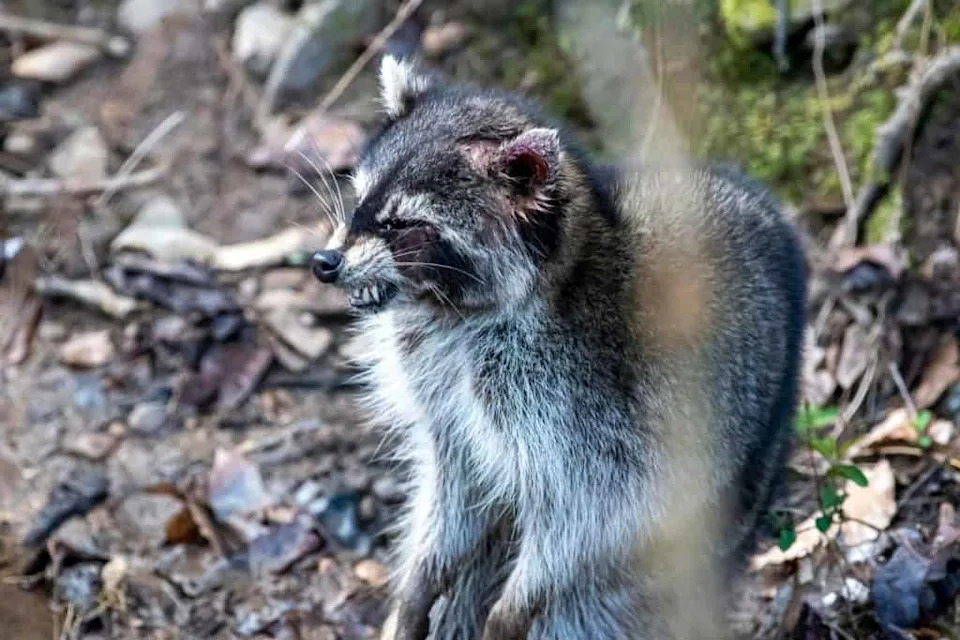
Rabies infects mammals, and once clinical signs appear, the disease is nearly always fatal.©Christopher J Barger/Shutterstock.com(Christopher J Barger/Shutterstock.com)
SARS-CoV-2 and Cross-Species Transmission
The origins of SARS-CoV-2 remain under investigation. While a zoonotic origin—likely involving bats and possibly an intermediate host such as pangolins—remains the leading hypothesis, laboratory-related scenarios have not been fully excluded. Genetic evidence indicates SARS-CoV-2 was closely related to viruses circulating in bats and subsequently evolved as it spread among humans.
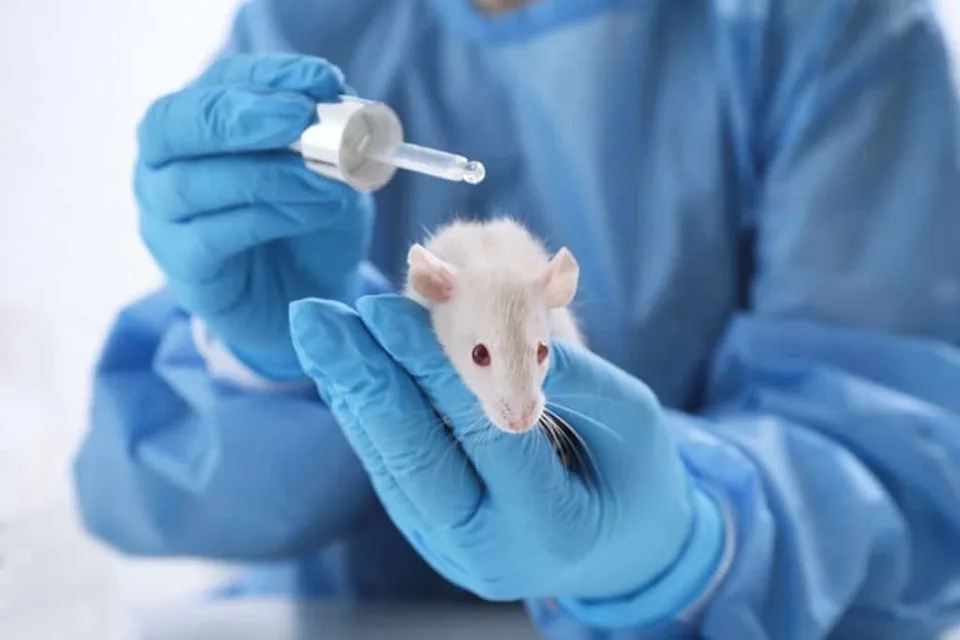
Even common pets can carry diseases that infect humans.©New Africa/Shutterstock.com(New Africa/Shutterstock.com)
Documented infections in domestic animals (cats, dogs, ferrets, hamsters) and in wild or captive species (tigers, lions, white-tailed deer) demonstrate the virus’ capacity to cross species barriers and underscore the two-way risk between humans and animals.
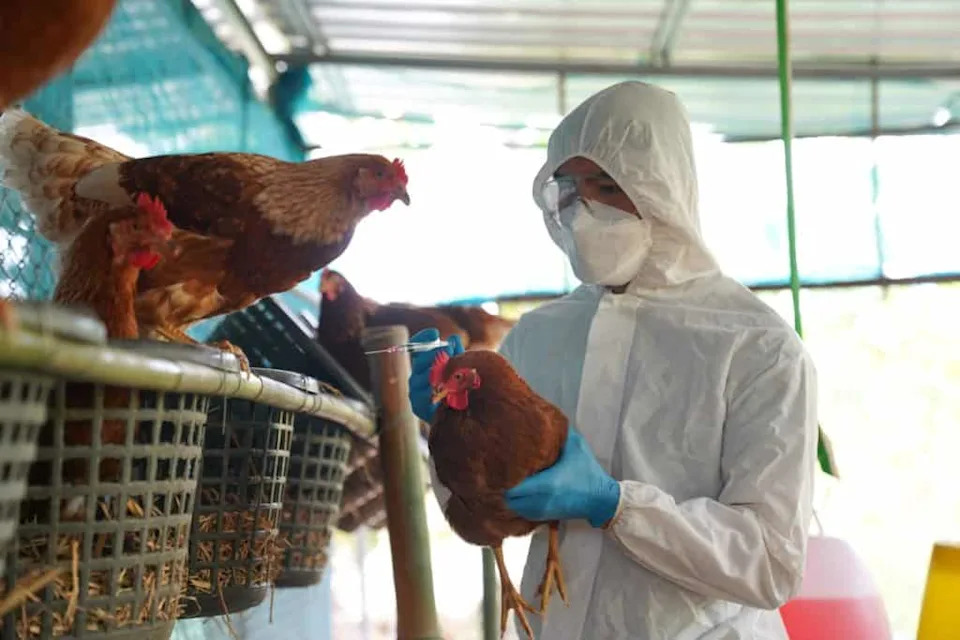
Routine genetic and DNA testing helps scientists get ahead of outbreaks before they start.©Pordee_Aomboon/Shutterstock.com(Pordee_Aomboon/Shutterstock.com)
Why Spillover Risk Is Growing
Spillover risk increases when humans encounter animals more frequently or when ecosystems are disturbed. Drivers include habitat loss, land-use change, wildlife trade, deforestation and climate change—each increasing contact between people and animals and creating opportunities for previously isolated viruses to jump hosts.

Computational tools, including AI-based methods, are increasingly being used to help analyze sequencing data and flag patterns that may warrant closer investigation.©Gorodenkoff/Shutterstock.com(Gorodenkoff/Shutterstock.com)
Notable Zoonotic Diseases and Typical Reservoirs
- Ebola: Likely originated in bats.
- Influenza: Often arises from birds or pigs, producing strains that infect humans.
- Hepatitis E: Associated with undercooked pork.
- West Nile Virus: Spread by mosquitoes.
- Rabies: Mammal-borne (dogs, bats, raccoons); nearly always fatal once symptoms appear but preventable with timely vaccination.
- Eastern Equine Encephalitis: Mosquito-borne virus cycling between birds and mosquitoes; humans and horses are dead-end hosts.
- HIV-1 (AIDS): Believed to have crossed from nonhuman primates.
- Lassa Fever and Hantaviruses: Rodent-borne, transmitted via bites, scratches or contact with rodent excreta.
- Lyme Disease: Tick-borne bacterial illness transmitted by tick bites.
Overall, researchers estimate that more than 60% of human pathogens are zoonotic and roughly 75% of newly emerging infectious diseases originate in animals.
Surveillance, Tools and Prevention
Given the study’s findings, experts emphasize stronger surveillance in high-risk settings and expanded One Health approaches that integrate human, animal and environmental health. Key tools and strategies include:
- Genomic surveillance: Next-Generation Sequencing to identify viral strains rapidly.
- PCR testing: Detects specific genetic markers for known pathogens.
- Environmental sampling and sentinel surveillance: Monitoring animals, livestock and high-traffic zones to detect emerging threats early.
- Computational and AI tools: Analyze sequencing data to flag unusual patterns and prioritize lab follow-up.
- One Health programs: Cross-sector collaboration (e.g., USAID’s PREDICT Project) to identify pathogens with spillover potential and strengthen lab capacity.
What This Means
The UC San Diego study challenges the assumption that pandemic-capable viruses must acquire rare, finely tuned adaptations before infecting people. Instead, because many animal viruses may already be capable of infecting humans, reducing high-risk exposure—through habitat protection, safer agricultural and wildlife practices, routine veterinary care for pets, and robust surveillance—becomes critical to preventing future outbreaks.
Context: By late 2024, the World Health Organization had recorded over 776 million confirmed COVID-19 cases—an urgent reminder of how rapidly an animal-borne virus can spread globally and why timely detection and prevention matter.
Help us improve.