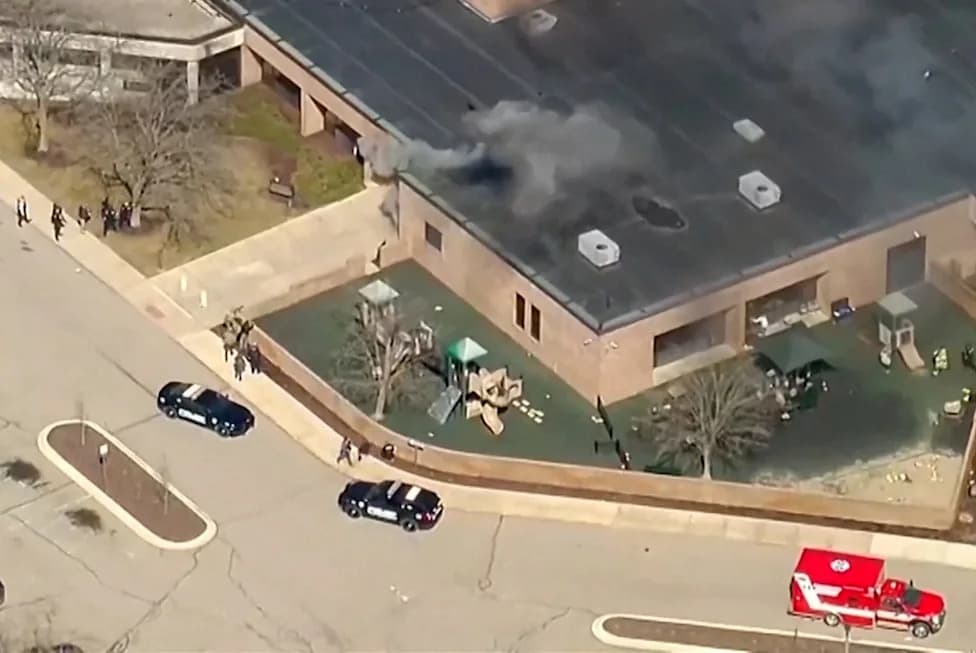
Jewish communities nationwide are strengthening security after a series of attacks, including a March 12 truck-ramming at Temple Israel in Michigan. Experts warn lone-wolf attackers pose a particular detection challenge. Nonprofits such as Magen Am are training volunteers in cities like Phoenix, Los Angeles and Orange County to respond to threats. Authorities continue to investigate motives while communities emphasize daily preparedness and vigilance.
Jewish Communities Bolster Security Amid Elevated Terror Threat

Magen Am, a Jewish security organization, has a smaller presence in Phoenix, where the Jewish community is less prominent than in Los Angeles and Orange County.(Fox News)
Law enforcement agencies across the United States have raised their alert levels amid an elevated terror threat, prompting Jewish communities to tighten security after a string of recent attacks, including a March 12 incident at Temple Israel in Michigan.
Rising Concerns Over Lone-Wolf Violence
Experts say the most pressing risk comes from so-called lone-wolf attackers — individuals who act independently and are often difficult for authorities to detect beforehand. Concern grew after two separate attacks occurred on the same day: an assault targeting an ROTC classroom at Old Dominion University in Virginia and the vehicle-ramming at Temple Israel in Michigan.
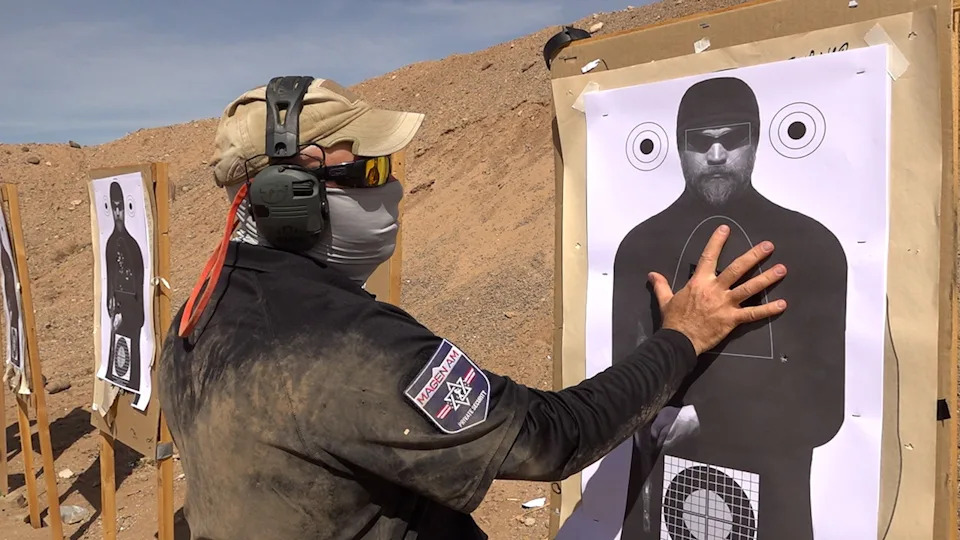
Ian Turner is in charge of the Phoenix branch of Magen Am, an organization focused on security in the Jewish community.
Community-Led Preparedness
Across the country, synagogues and Jewish organizations have made security a constant presence. Nonprofits such as Magen Am are training volunteers in cities including Phoenix, Los Angeles and Orange County to respond to active threats. At training sessions, volunteers rehearse defensive tactics intended to protect worshippers and slow attackers until professional responders arrive.
"Magen Am—the shield of the nation—it’s about standing up and saying, ‘You’re not getting through,’" said volunteer Valerie Smilovic.
Recent Incidents Underscore Urgency
On March 12, a man armed with a rifle and fireworks rammed a truck into Temple Israel in Michigan. Authorities credited the synagogue’s security team with a rapid response that limited further harm. Two weeks earlier, a separate attacker targeted an ROTC classroom at Old Dominion University in Virginia; both incidents heightened concern about spontaneous, ideologically driven violence.
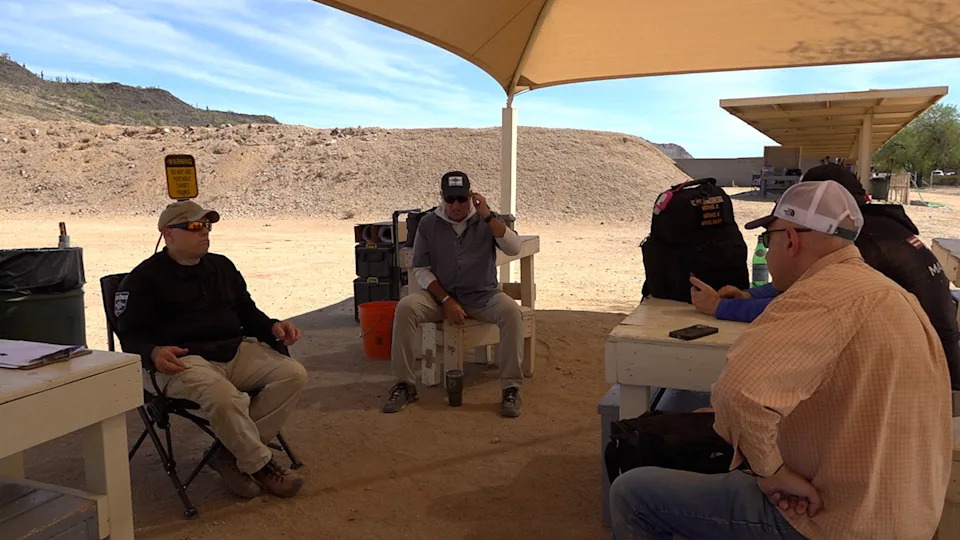
Shooting classes are one of the ways Magen Am aims to equip the Jewish community with ways to protect themselves. Volunteers serve as security guards at synagogues.
Threat Monitoring and Investigation
Jewish organizations have reported a rise in online threats, particularly following U.S. and Israeli military actions that have raised tensions in the region. Analysts stress that identifying individuals before they act is the most effective prevention, but acknowledge law enforcement capabilities to detect lone actors are limited.
The FBI has not publicly determined a motive in the Michigan attack. Israeli officials have alleged the suspect, named by some sources as Ayman Muhammed Ghazali, is related to a Hezbollah commander killed earlier this month in Lebanon; U.S. authorities continue to investigate and have not confirmed that link.
Community leaders emphasize that while added security and vigilance are critical, there are practical limits to prevention: preparedness and coordinated response remain the primary tools to reduce harm.
Help us improve.