Short answer: Venom evolved long before dinosaurs and appears in multiple ancient reptile lineages, but there is no unambiguous fossil evidence that true dinosaurs injected or spat venom. Fossils such as Euchambersia and Uatchitodon show early venom adaptations, while claims for small theropods like Sinornithosaurus remain inconclusive. Poisonous defenses (toxin sequestration) are known in modern birds, so chemical defenses in dinosaur descendants are plausible even if fossils rarely preserve them.
Could Dinosaurs Have Been Venomous? Separating Jurassic Park Fiction From Fossil Facts
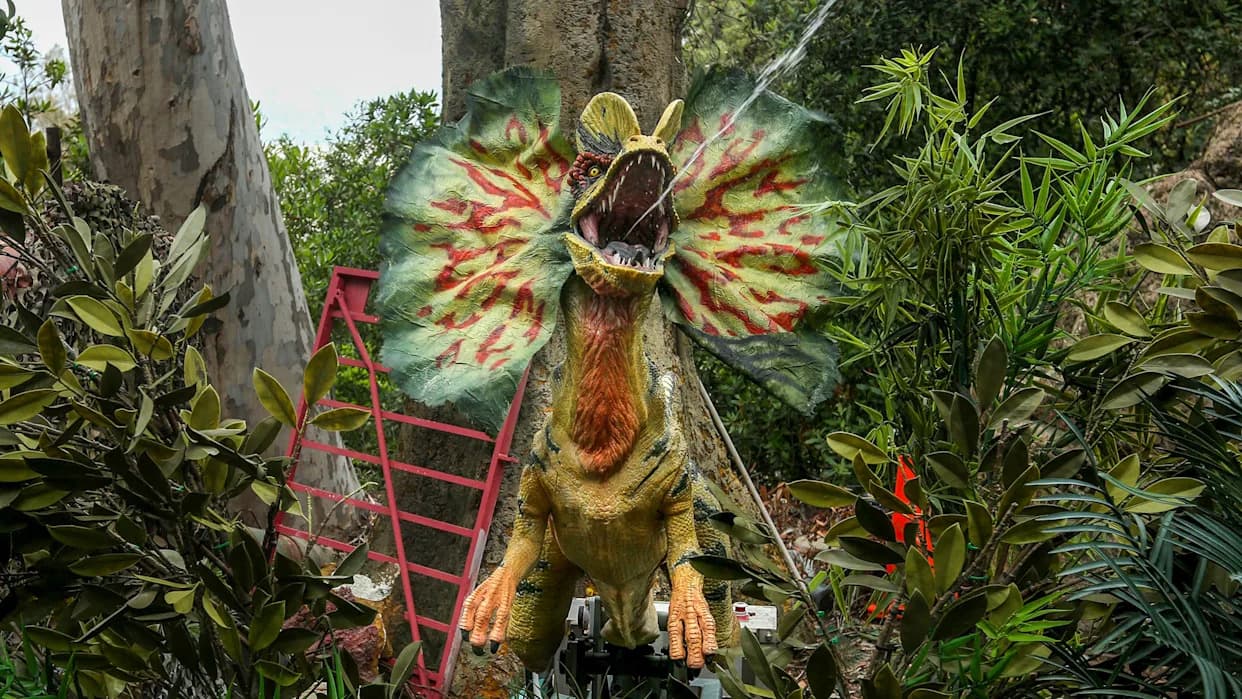
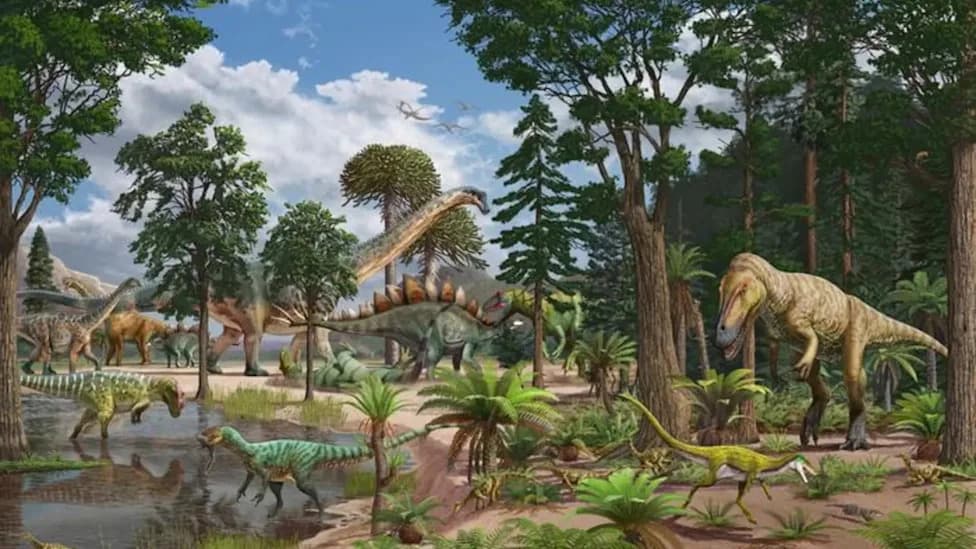
Dilophosaurus didn't have a frill or spit venom.
Dinosaurs have long dominated our nightmares and imaginations. Films like Steven Spielberg’s Jurassic Park amplified that fear with memorable — but not always accurate — depictions, including a frilled, venom-spitting Dilophosaurus. What does the fossil record actually say about venom in dinosaurs and their contemporaries?
The Hollywood Myth: Dilophosaurus
The iconic frill and venom-spitting behavior of Dilophosaurus in Jurassic Park is cinematic invention. Early, limited fossils sparked speculation that a jaw depression might house a venom gland, but more complete specimens recovered since the 1980s show stronger jaws and no reliable osteological evidence for venom or a frill. Paleontologists today regard the movie portrayal as creative license rather than science.
Venom Long Preceded Dinosaurs
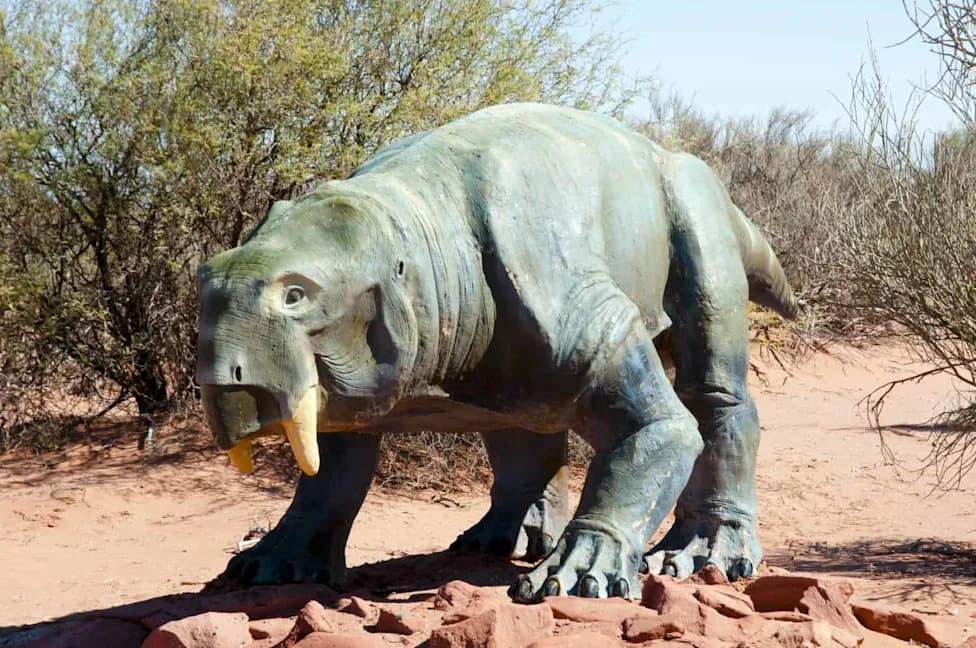
Venom as an adaptation is far older than the dinosaur radiation. CT scans and detailed fossil analysis have revealed probable venom systems in ancient vertebrates. One early example is Euchambersia, a roughly dog-sized therapsid from about 250 million years ago. Its skull shows cavities and channels consistent with a venom gland and delivery pathways, and its teeth have ridges that may have directed toxins. This predates the earliest dinosaurs by on the order of 10–20 million years, demonstrating that venom evolved well before dinosaurs became dominant.
Clear Venom Evidence Outside True Dinosaurs
Some Triassic reptiles show unmistakable tooth adaptations for venom delivery. Uatchitodon, known primarily from teeth about 220 million years old, displays a hollow or tubular tooth structure analogous to venomous snakes’ fangs. However, because we mostly have isolated teeth, its precise place in the reptile family tree is uncertain: it was likely an archosauromorph (a group related to dinosaurs) but not necessarily a dinosaur.
Ambiguous Claims Within Dinosaurs
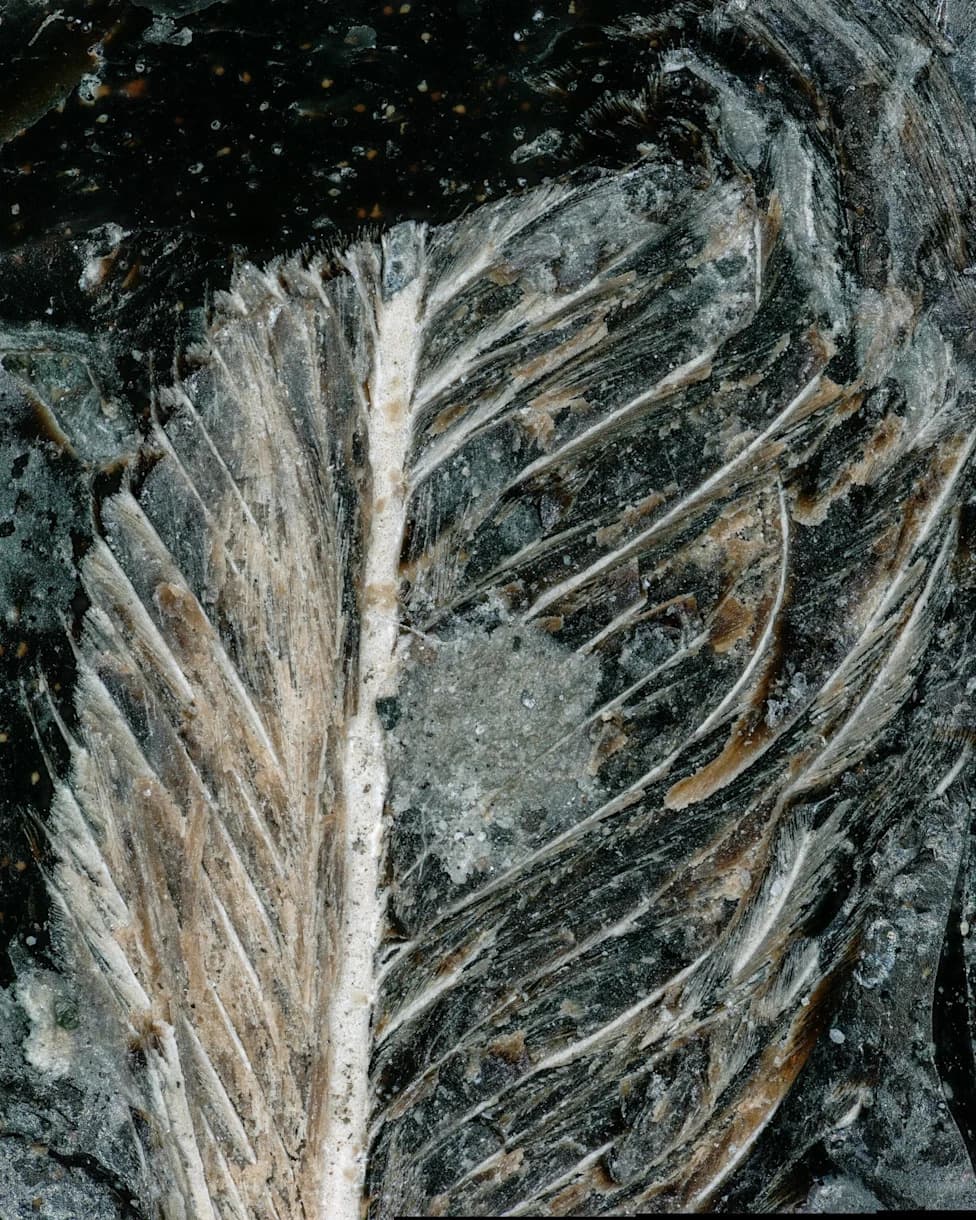
Occasional claims of venom in true dinosaurs have surfaced but remain equivocal. A 2009 study pointed to grooves on the teeth of the feathered theropod Sinornithosaurus as possible venom channels. Later analyses offered alternative explanations for those grooves, and most experts now consider the evidence insufficient to call it venomous.
Why It’s Hard To Detect Venom in Fossils
Venom glands and delivery tissues are soft and rarely preserve in fossils. Paleontologists therefore rely on indirect osteological correlates — grooves, canals, or bone cavities — which can be ambiguous. Living examples illustrate the problem: the Komodo dragon produces toxic saliva but lacks conspicuous grooved fangs and stores glands in soft tissues, so an extinct animal with a similar system might leave no skeletal trace.
Poison Vs. Venom — A Useful Distinction
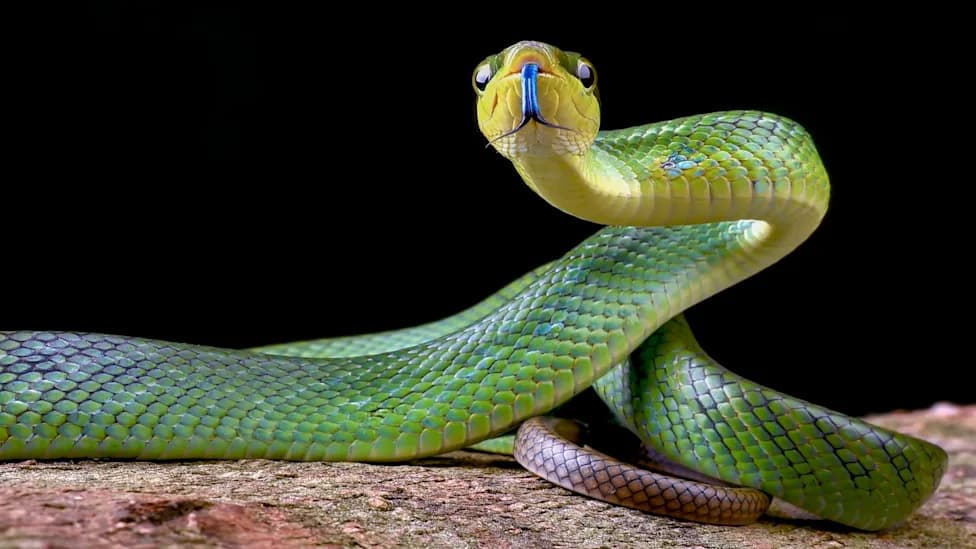
It’s important to distinguish venom (toxins injected via bite or sting) from poison (toxicity from touch or ingestion). While direct fossil evidence for venom in dinosaurs is lacking, toxin sequestration — the source of poison — is known among living birds, the direct descendants of theropod dinosaurs. The New Guinean pitohui, for example, accumulates batrachotoxin in its skin and feathers from dietary sources, showing that toxin-based defenses can evolve in dinosaur-descended lineages.
Bottom Line
Evolution repeatedly invented venom in many lineages, and venomous reptiles coexisted with dinosaurs. However, the most reliable fossil evidence does not support venomous behavior in the well-known true dinosaurs familiar from films and museums. A few obscure Triassic reptiles show clear venom adaptations, and some small theropod claims remain unresolved, but the theatrical image of a frill-spitting Dilophosaurus belongs to Hollywood. Given the limits of fossil preservation, though, some small or soft-tissue-based toxin systems in extinct dinosaurs may never be detectable.
Further Reading
For deeper dives, look up CT studies of Euchambersia, descriptions of Uatchitodon teeth, and the debate over Sinornithosaurus tooth grooves. Also explore research on toxin sequestration in birds (pitohui) to understand how poison — distinct from venom — can evolve via diet.
Help us improve.