Heavy rains and unstable slopes around Rubaya, eastern DRC, have caused multiple deadly landslides since the March 3 Kasasa collapse, which the government said killed 200 people including 70 children. Survivors like 15-year-old Mishiki Nshokano say poverty and family responsibility force them back into hazardous artisanal coltan mining despite legal bans. International reports and campaign groups warn enforcement is weak, child labour remains widespread, and global demand and smuggling exacerbate the crisis. Calls for stronger oversight, corporate accountability and safer alternatives for communities continue.
‘It Helps Us Survive’: Poverty Drives Children Back Into Deadly DRC Coltan Mines
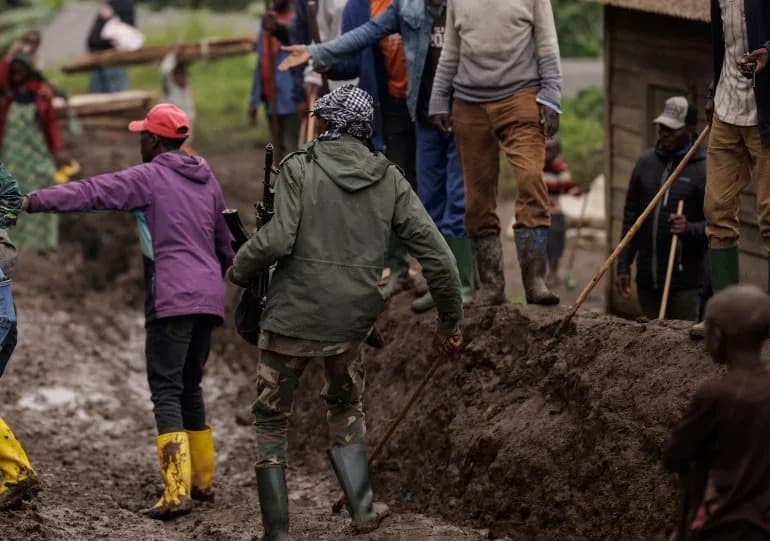
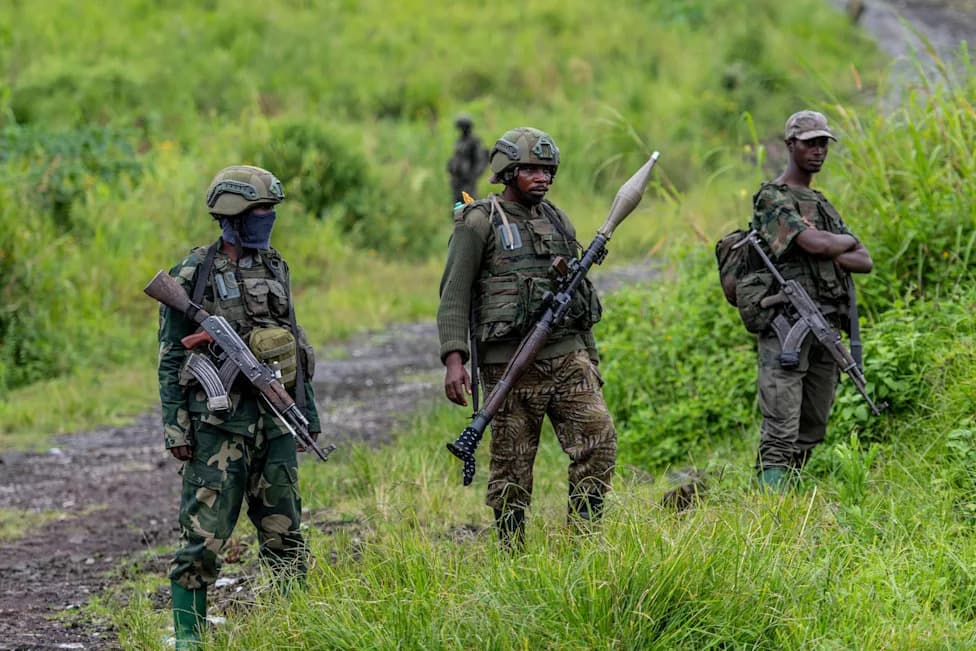
An M23 rebel walks on a muddy road on the outskirts of Rubaya, DRC [Zohra Bensemra/Reuters]
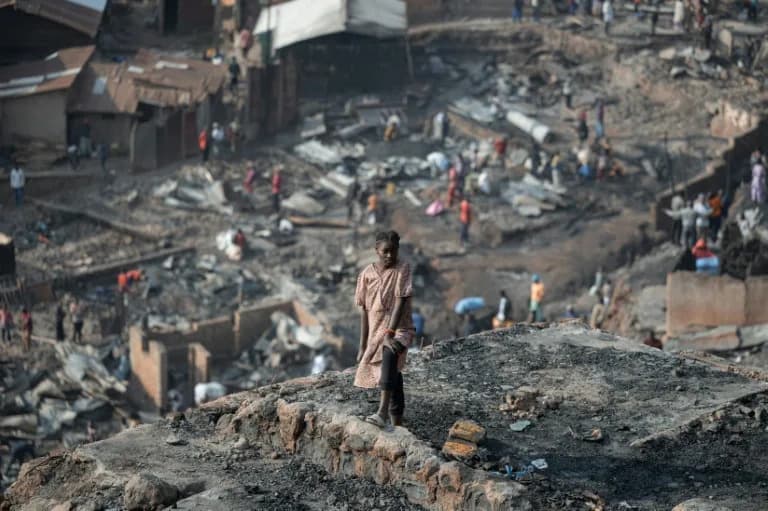
More than a month after the March 3 collapse at the Kasasa site, heavy rains and unstable slopes have triggered further deadly landslides around Rubaya in eastern Democratic Republic of Congo (DRC). The Congolese government reported 200 deaths at Kasasa, including 70 children, while local media and officials say hundreds more have died in subsequent collapses.
Survivor's Story
Fifteen-year-old Mishiki Nshokano* is convalescing in Goma, about 60 km from Rubaya. He survived the March disaster but says he will soon return to the pits because "I have no other choice." As the eldest of three, he hauls sacks of coltan for roughly 10,000 Congolese francs a day (about $4), money his mother manages to cover food and rent.
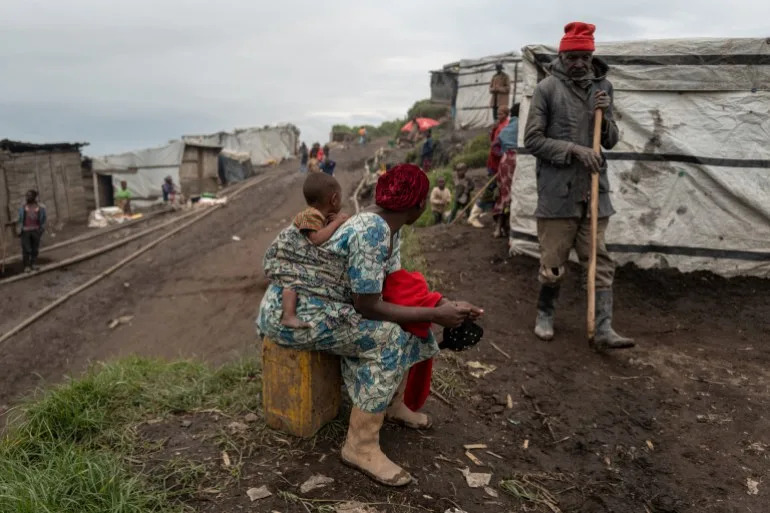
A woman holding her child sits in front of the Rubaya coltan mine [Zohra Bensemra/Reuters]
Why Children Work the Mines
Rubaya sits on rich deposits of coltan, tin and tungsten — minerals essential to modern electronics. Despite their global value, most miners, especially children, remain unaware of the international supply chains that benefit from their labour. Poverty, the death of breadwinners and the absence of alternative livelihoods push children into hazardous artisanal mining.
Legal And Security Context
DRC law (Law 09/001 of January 10, 2009) and the revised 2018 Mining Code prohibit employing minors in mining activities. In practice, however, enforcement is weak because much of the sector operates informally and oversight is limited. The security situation is further complicated by clashes between government forces and armed groups — notably the M23 — which seized Rubaya in 2024. Authorities and observers dispute casualty figures and blame different actors for ongoing abuses.
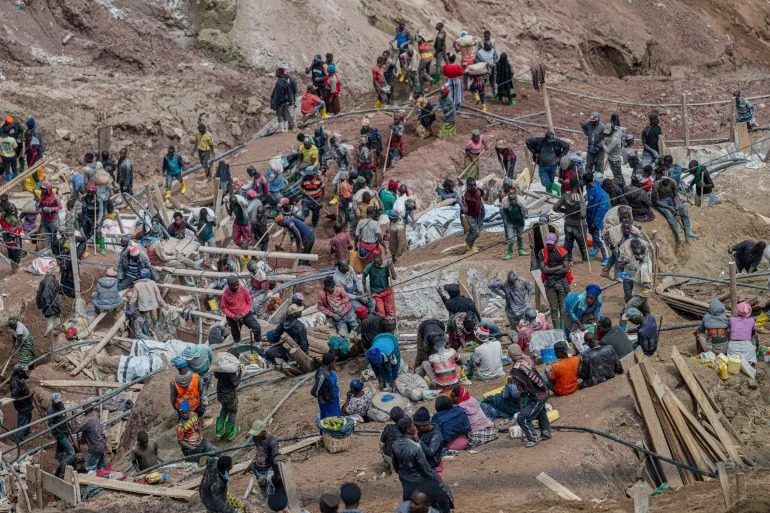
Miners work at a coltan mining quarry in Rubaya [Moses Sawasawa/AP]
Reports And Responses
International bodies have repeatedly documented the scale of the problem. A 2023 report from the U.S. Bureau of International Labor Affairs found minimal progress toward eliminating the worst forms of child labour in the DRC and described "almost no labor oversight" in eastern cobalt and other mineral sites. A 2019 ILO report and UNICEF estimates (around 40,000 children working in mines) reinforce the urgency. Campaign groups such as Global Witness have exposed smuggling routes — including flows into Rwanda — and urged companies and governments to enforce human-rights and environmental standards across supply chains.
On-The-Ground Reality
Despite recent collapses, artisanal mining resumed quickly in Rubaya. Lines of miners — men, women and children — continue to ascend and descend steep, rain-softened slopes with pickaxes, buckets and sacks of wet ore. Congolese officials have warned that hundreds have died at Rubaya since the start of the year and accused occupying forces of exploiting women and children; rebel leaders dispute some casualty figures. Meanwhile, talks about strategic mineral-for-security agreements and international investment continue even as local communities bear the human cost.
"I’ve never been properly informed about the value of this ore," Mishiki told reporters. "I know it goes abroad, but I don’t know what people use it for. My main focus is survival — mine and my family's."
*Name changed for safety reasons.
Help us improve.