K-pop's global success masks a harder reality: intense competition, grueling training and strict control over idols' lives. About 300 groups compete for fame while trainees can endure 15-hour days and shared housing. Dating rumours have sparked harassment, truck protests and stalking; cyberbullying and sustained pressure have been linked to mental-health crises, including the 2023 death of Moonbin.
Behind BTS's Comeback: The Dark Side of K-pop's Glittering Machine
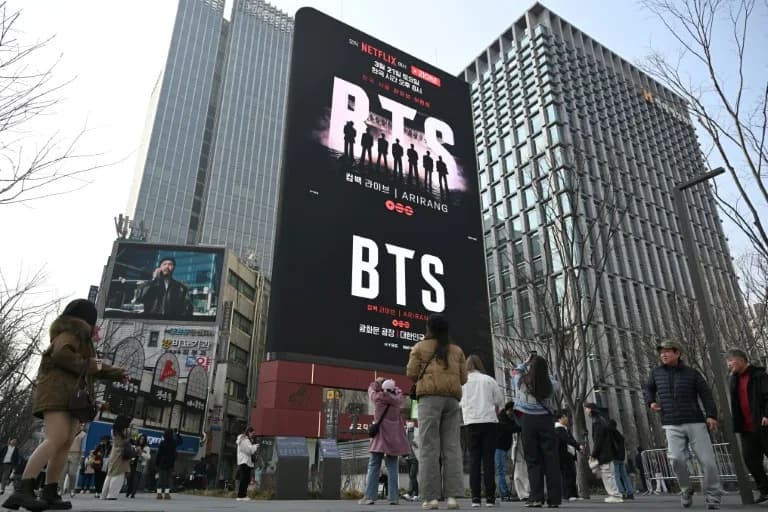
The K-pop industry is also marked by intense competition, gruelling training and tight control over stars' lives (Jung Yeon-je)(Jung Yeon-je/AFP/AFP)
K-pop projects a powerful image of talent, style and relentless professionalism — but behind the polished performances and global fame lies a tougher reality that has sometimes ended in tragedy. Ahead of BTS's comeback concert, this report examines the fierce competition, gruelling trainee system, tightly controlled private lives and extreme fan behaviour that shape South Korea's music industry.
The Training Pipeline
South Korean agencies debut dozens of new groups each year, aiming to discover the next global sensation. With roughly 300 active groups at any given time, major success is rare. A small fraction of aspiring idols who pass auditions become trainees and may face routines that stretch to 15-hour days. Those schedules commonly include vocal coaching, dance rehearsals, gym sessions, promotional shoots and media training.
Many trainees live in shared houses with bunk beds and strict rules governing diet, weight and appearance. Former Nine Muses member Ryu Sera described the process as a "factory-like mass-production" system that can treat performers as "replaceable products." Industry executives counter that the competitive, disciplined model fuels K-pop's global appeal.
Contracts and Control
Historically, the balance of power favoured agencies. Critics pointed to so-called "slave contracts" that tied artists to long commitments and unequal profit splits. Reforms followed a high-profile legal battle involving TVXQ; in 2009 South Korea's Fair Trade Commission revised standard contracts, capping initial deals at seven years and improving fairness on paper, though critics say power imbalances persist.
Fan Obsession And The 'No-Dating' Pressure
Idols are often expected to maintain an image of availability to preserve fan investment. Rumours of romantic involvement frequently trigger extreme reactions. In separate incidents, fans sent trucks with accusatory billboards to agency headquarters after dating rumours involving members of BTS and Aespa. Karina of Aespa publicly apologised after confirming a relationship, and the couple later split.
Some episodes have become violent. In 2024 a fan hid in a stairwell to assault The Boyz member Sunwoo; agencies also reported finding a tracking device on the group's vehicle. This month, a Brazilian woman was indicted on stalking charges after allegedly ringing BTS member Jung Kook's doorbell and leaving a letter 23 times over a month, claiming it was "out of love." Experts link some of this behaviour to an industry model that fosters intense fan participation and an illusion of intimacy.
Cyberbullying, Mental Health And Tragic Losses
Performers frequently face harsh online criticism and invasive scrutiny from both fans and the media. Mental-health professionals stress that suicides typically have multiple causes, but sustained cyberbullying and pressure are recurring concerns. The industry has been rocked by suspected suicides, most recently the 2023 death of ASTRO member Moonbin, age 25. Prominent figures, including Bang Si-hyuk of HYBE, have questioned whether public criticism is ever justifiable.
Root Causes And Industry Response
Cultural commentators say the central issue is a hierarchical, top-down system where agencies assemble, train and tightly manage groups. While reforms and public scrutiny have prompted changes, many argue the core structure — heavy investment by agencies in exchange for tight control — remains largely intact. Agencies and some policymakers have taken steps toward greater protections, but advocates say more must be done to safeguard artists' wellbeing and privacy.
Bottom line: K-pop's global reach masks a demanding infrastructure that produces world-class performers — but also places intense physical, emotional and privacy-related burdens on young artists.
Help us improve.