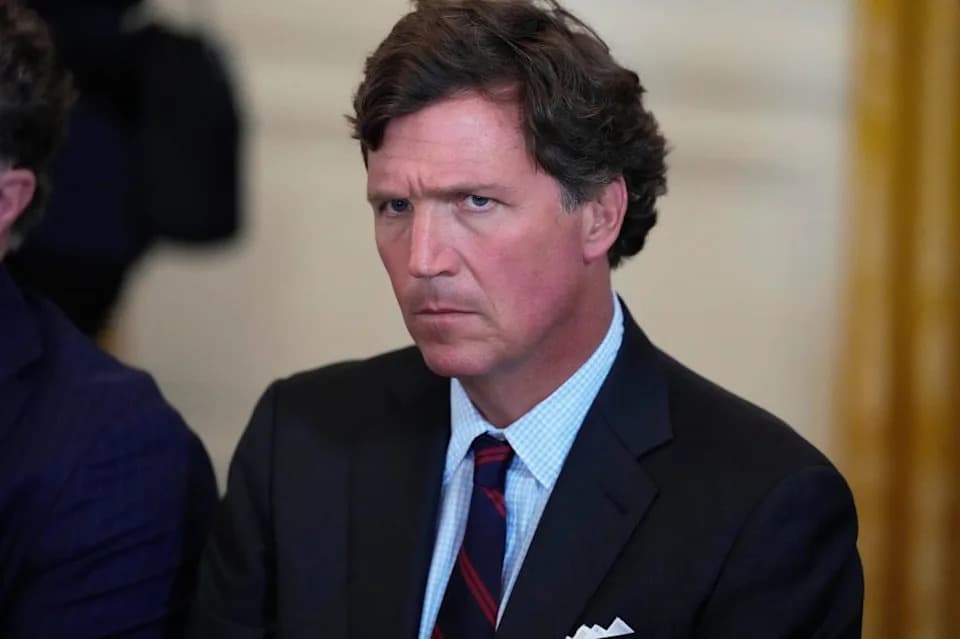
Joe Kent, the outgoing director of the National Counterterrorism Center, told Tucker Carlson he saw no classified evidence of an imminent Iranian attack or an active nuclear weapons program. He argued the administration’s urgency stemmed from anticipated Israeli action, described a coordinated media and think-tank effort pushing a harder red line, and said decision-making was limited to a small, cohesive circle. Kent also alleged that investigative leads related to Charlie Kirk’s killing were blocked, warned a cluster of security incidents merited serious inquiry, and urged using Gulf partners to broker a ceasefire.
9 Bombshell Claims From Former NCTC Director Joe Kent’s Tucker Carlson Interview
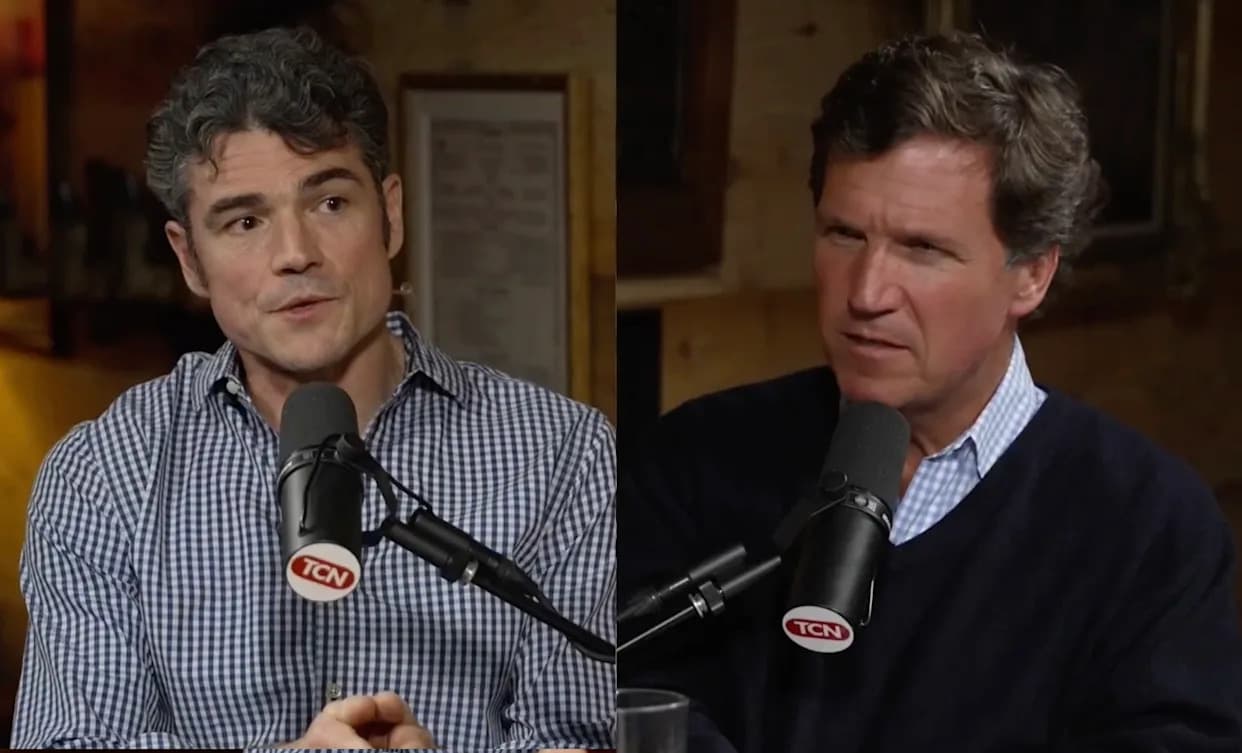
Joe Kent, a career counterterrorism official who served 20 years, including 11 combat deployments, and rose to lead the U.S. National Counterterrorism Center (NCTC), resigned from the Trump administration this week. In a two-hour interview with Tucker Carlson, Kent made a series of blunt, consequential claims about intelligence, policy drivers and the decision-making behind recent strikes. Below are the nine most significant assertions he offered, presented with context and attribution.
1. No Intelligence of an Imminent Iranian Attack or Active Nuclear Program
Kent said that while serving as NCTC director with access to classified intelligence, he found no evidence that Iran was planning an attack on the United States or actively building a nuclear weapon. He rejected suggestions that someone in the intelligence community told him the program “exists, you just haven’t seen it.” Kent also noted Iran’s 2004 religious prohibition (a fatwa) against developing nuclear weapons and said classified records showed nothing to indicate that ban was being violated or about to be lifted.
2. Administration Urgency Framed Around Anticipated Israeli Action
Kent pointed to contemporaneous statements from administration officials—citing an explanation attributed to Secretary of State Marco Rubio—as framing the immediate threat in terms of an expected Israeli strike and subsequent Iranian retaliation against U.S. forces. Kent and Carlson suggested the urgency publicly described was driven by fears about Israeli action rather than clear evidence of imminent Iranian aggression toward the United States.
3. A Managed Information Ecosystem Pushing a Harder Red Line
Kent described an "information ecosystem" in which Israeli officials and allied media/think-tank voices shift the public debate from a negotiable red line—"Iran cannot have a nuclear weapon"—to an absolute stance—"Iran cannot enrich uranium at all." He said that framing would be amplified through nightly cable segments and op-eds, creating a manufactured impression of consensus that, according to him, was not supported by the classified intelligence he reviewed.
4. A Very Small, Cohesive Decision-Making Circle
Kent said the decision-making group advising the president on the strikes was "very, very tight and very small" and largely unified in its outlook. He noted that the kind of broad debate and dissent that accompanied previous operations did not occur in this instance. Kent also emphasized frequent contact between the White House and Israeli officials—highlighting repeated visits and communications—and suggested the president may have heard more from external interlocutors than from a wider set of intelligence professionals.
5. Leadership Losses in Iran Could Strengthen Hardliners
Contrary to the stated rationale for the strikes, Kent argued that Supreme Leader Ali Khamenei had been a moderating influence on Iran’s nuclear policy and that targeted killings of experienced officials have empowered IRGC hardliners. He cited the death of veteran negotiator Ali Larijani as an example of how the conflict has removed figures capable of pursuing diplomacy, warning that successors may be more radicalized.
6. Investigative Leads in the Charlie Kirk Killing Were, Kent Says, Blocked
Kent claimed his agency identified leads suggesting a possible foreign nexus in the killing of Charlie Kirk, began an inquiry, and then encountered institutional obstacles: access to files was curtailed, data-sharing requests stalled, and investigators were told to stand down. He emphasized he was not asserting foreign involvement as a fact, only that leads warranted follow-up and were not pursued vigorously.
7. A Concerning Cluster Of Security Incidents
Kent connected a string of incidents—the Butler shooting, a recently foiled assassination plot against a public figure, multiple security breaches at Trump events, and Kirk’s murder—and argued that, viewed together, the pattern would lead analysts to treat threats against the former president or his family as a credible possibility. He declined to assign blame but said the cluster merited thorough investigation, which he said was lacking.
8. Declassification Order on Historic Assassinations Has Not Been Fully Executed
Kent confirmed that a January executive order mandating the full release of records related to the assassinations of John F. Kennedy, Robert F. Kennedy and Martin Luther King Jr. had not been fully executed. He attributed the delay to bureaucratic resistance within the permanent intelligence and records apparatus, saying agencies may slow-walk or "kill things in process" to avoid setting a precedent for blanket, immediate declassification at a president’s direction.
9. Kent’s Prescription: Pressure Israel And Use Gulf States To Broker A Ceasefire
Kent closed the interview by arguing that President Trump—he said respectfully, after a pre-resignation conversation—was in the best position to change course. His plan: press Prime Minister Netanyahu to stop offensive operations or lose U.S. defense support, then enlist Gulf states (UAE, Qatar, Saudi Arabia, Oman) to broker an economically grounded ceasefire with Iran focused on reopening the Strait of Hormuz and stabilizing oil flows. Kent characterized the interview as an attempt to reach the president through one of the few channels he still had left.
Note: These points are Kent’s claims and interpretations offered in a public interview. Some assertions are institutional assessments that merit independent verification and follow-up reporting.
What This Means: If accurate, Kent’s account raises questions about how intelligence was interpreted and presented, who shaped policy choices, and whether key investigative leads received adequate attention. Each claim should be treated as a starting point for further reporting rather than as settled fact.
Help us improve.