The IMO governing council has urged the creation of a safe maritime corridor to evacuate merchant ships and protect crews in the Gulf following strikes on Iran. The agency said roughly 20,000 seafarers on nearly 2,000 ships are affected and that shipping through the Strait of Hormuz has largely stopped. The IMO reported 17 vessel incidents and at least seven deaths, but gave no timeline for the corridor and Iran’s cooperation remains uncertain.
IMO Urges Urgent Safe Maritime Corridor to Evacuate 20,000 Seafarers as Gulf Shipping Nears Standstill
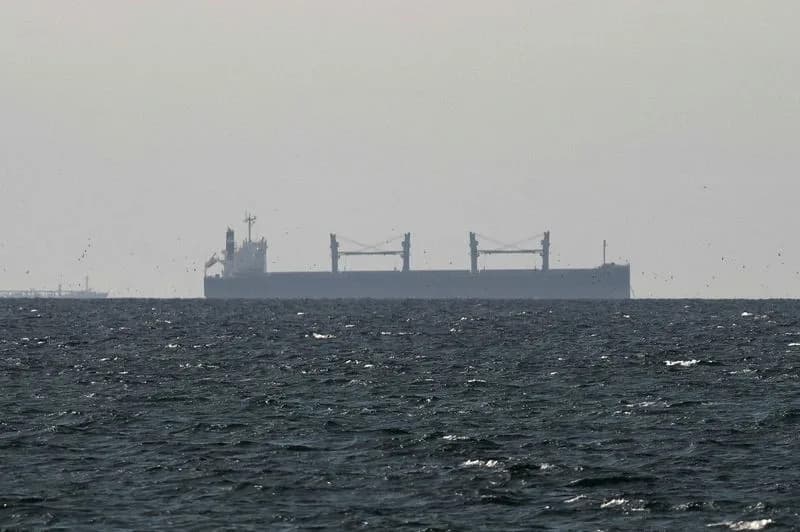
FILE PHOTO: A tanker sails in the Gulf, near the Strait of Hormuz, as seen from northern Ras al-Khaimah, near the border with Oman’s Musandam governance, amid the U.S.-Israeli conflict with Iran, in United Arab Emirates, March 11, 2026. REUTERS/Stringer/File Photo
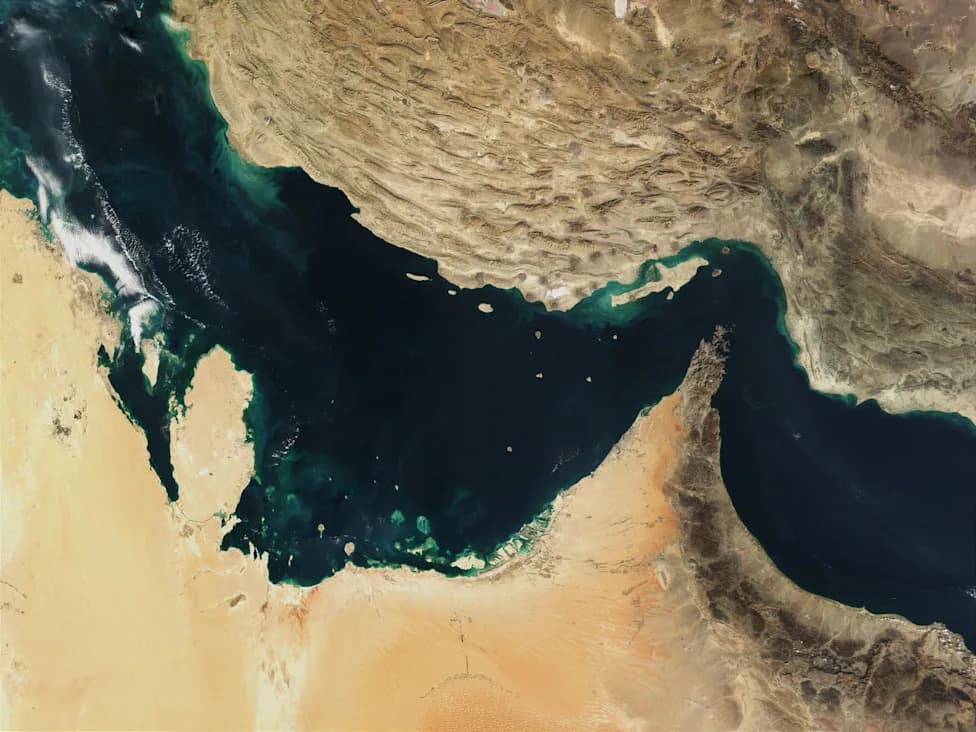
On March 19 in London, the International Maritime Organization (IMO) governing council called for the creation of a safe maritime corridor to evacuate commercial vessels and protect crews in the Gulf amid the recent strikes on Iran. The extraordinary session focused on reducing risks to merchant shipping and seafarers as tensions escalate around the Strait of Hormuz.
What the IMO Agreed
The IMO council agreed to encourage the development of a framework to facilitate the safe withdrawal of merchant ships from high-risk and affected waters. The agency did not set a timetable for establishing the corridor, and it remains unclear whether Iran would cooperate with any proposed arrangement.
Scope of the Disruption
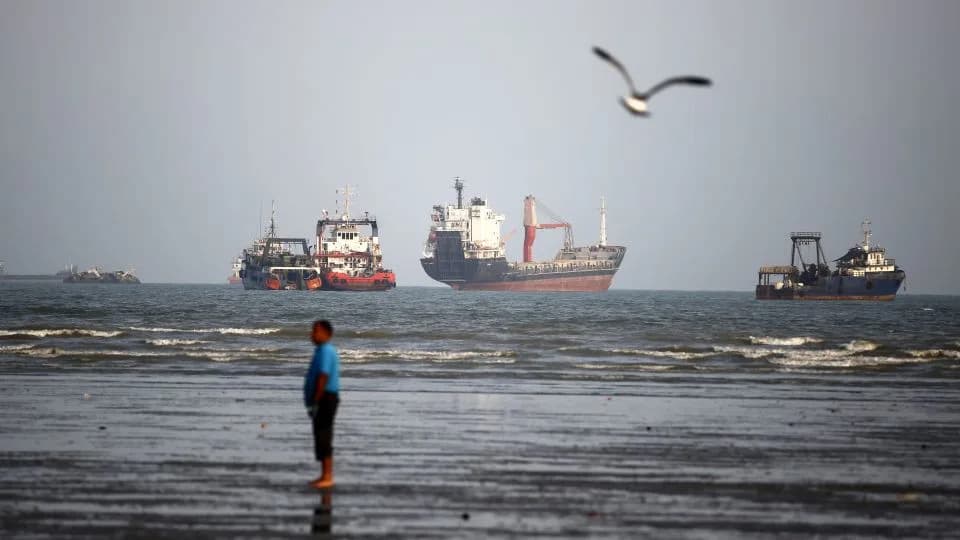
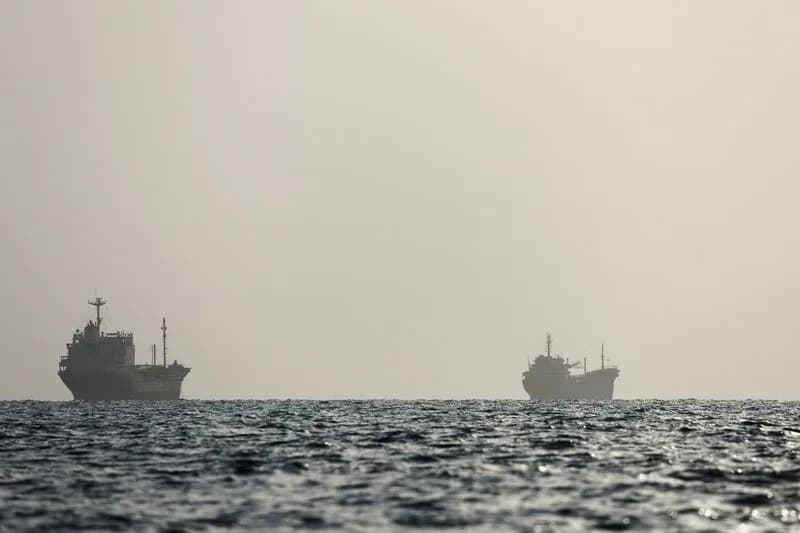
IMO Secretary-General Arsenio Dominguez said the situation has affected roughly 20,000 seafarers aboard nearly 2,000 ships located west of the Strait of Hormuz. Shipping traffic through the Strait — a chokepoint that carries about one-fifth of the world’s oil — has largely come to a halt since February 28, when the United States and Israel began strikes on Iran and Iran’s Revolutionary Guards warned that vessels transiting the waterway could be targeted.
Human Toll and Incidents
Several vessels have been attacked since the conflict began. The IMO has reported 17 vessel incidents that resulted in at least seven seafarer deaths. The agency highlighted the urgent need to reduce exposure of crew to combat-related threats and to ensure the safety of ships seeking safe passage.
"We must not expose seafarers to a higher risk than they already face right now," Dominguez said, urging flag states to instruct vessels positioned east of the strait to avoid taking “unnecessary risk” by sailing westward.
Next Steps
The council’s call aims to prompt states and industry stakeholders to coordinate a practical evacuation framework and prioritize humanitarian protection for mariners. Implementation details, scope and timelines will depend on further diplomatic engagement and the security situation on the water.
Reporting: The call was issued at an extraordinary IMO council session convened in London on March 19.
Help us improve.