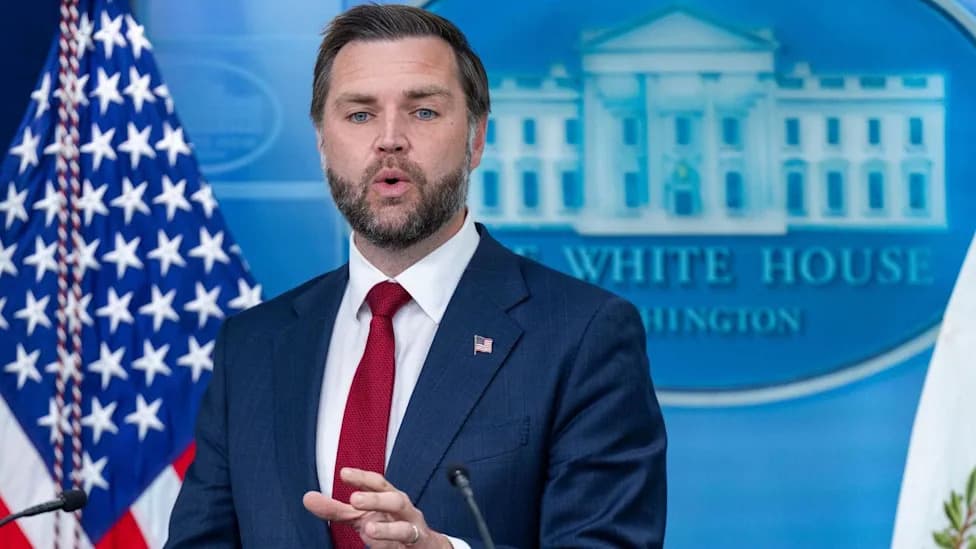
U.S. Vice President JD Vance and Energy Secretary Chris Wright will meet Thursday with the American Petroleum Institute as the administration seeks steps to ease a recent, sharp rise in gasoline prices. The spike—about 92 cents on average nationwide versus last month, per AAA—followed reported strikes on Iran's Pars gas field and threats to shipping near the Strait of Hormuz. Officials say short-term pain at the pump is likely but temporary, and the administration will announce measures within 24 to 48 hours amid political concerns ahead of the November midterms.
Vance to Meet Oil Trade Group as Gas Prices Surge After Strike on Iran's Pars Field
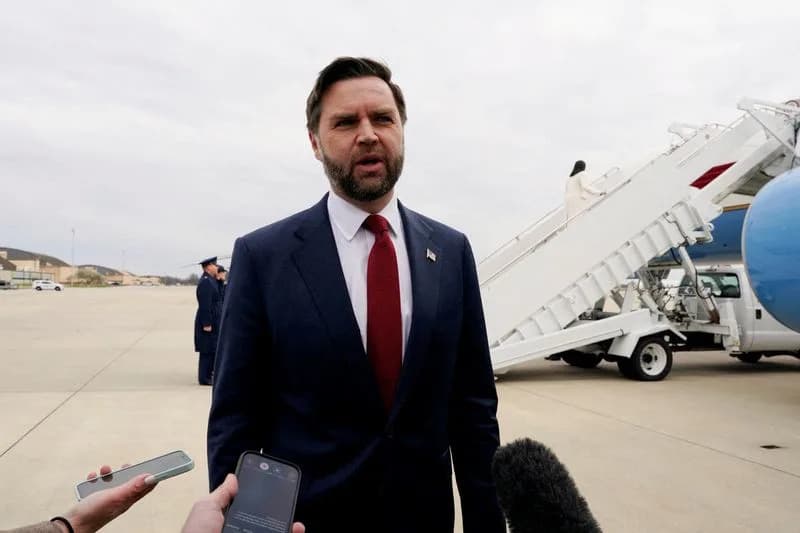
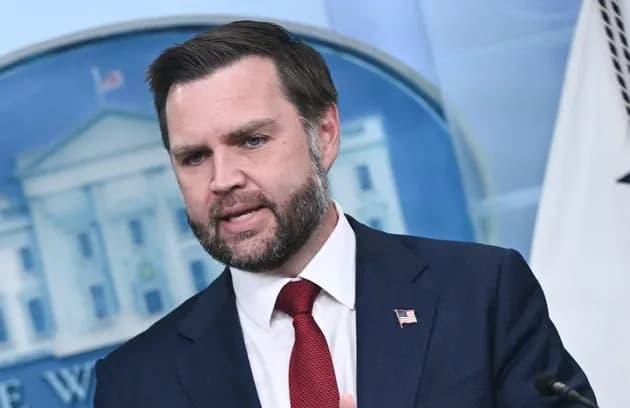
U.S. Vice President JD Vance speaks to mebers of the media as he travels to Michigan, at Joint Base Andrews, Maryland, U.S., on Wednesday, March 18, 2026. Elizabeth Frantz/Pool via REUTERS
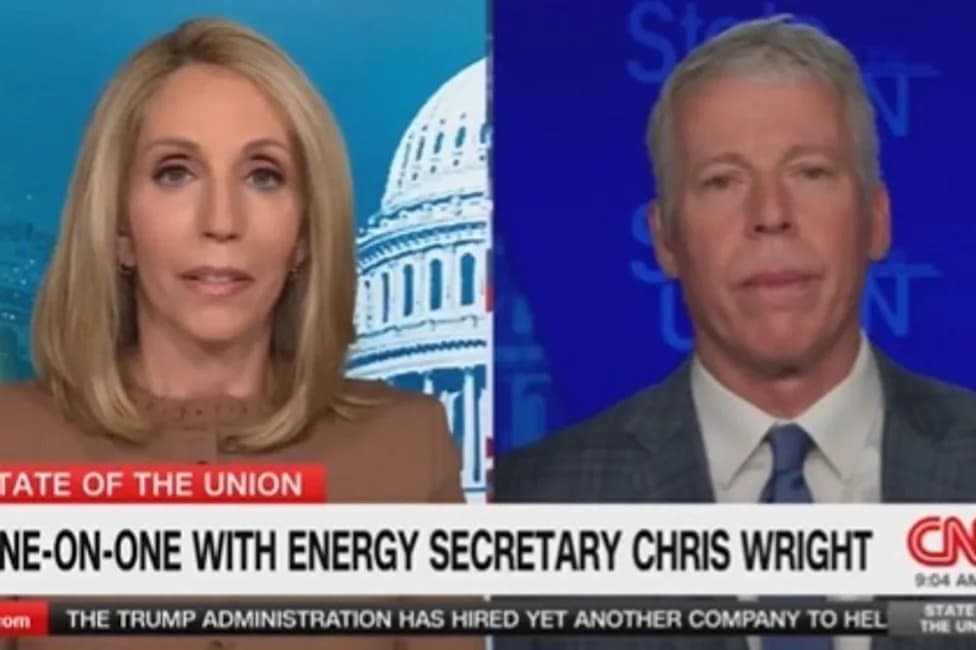
WASHINGTON, March 18 (Reuters) - U.S. Vice President JD Vance and Energy Secretary Chris Wright will meet Thursday with the American Petroleum Institute (API), the country’s largest oil trade group, as the administration moves to blunt a sharp rise in gasoline prices following recent strikes on Iran's Pars gas field.
Administration Preparing Short-Term Steps
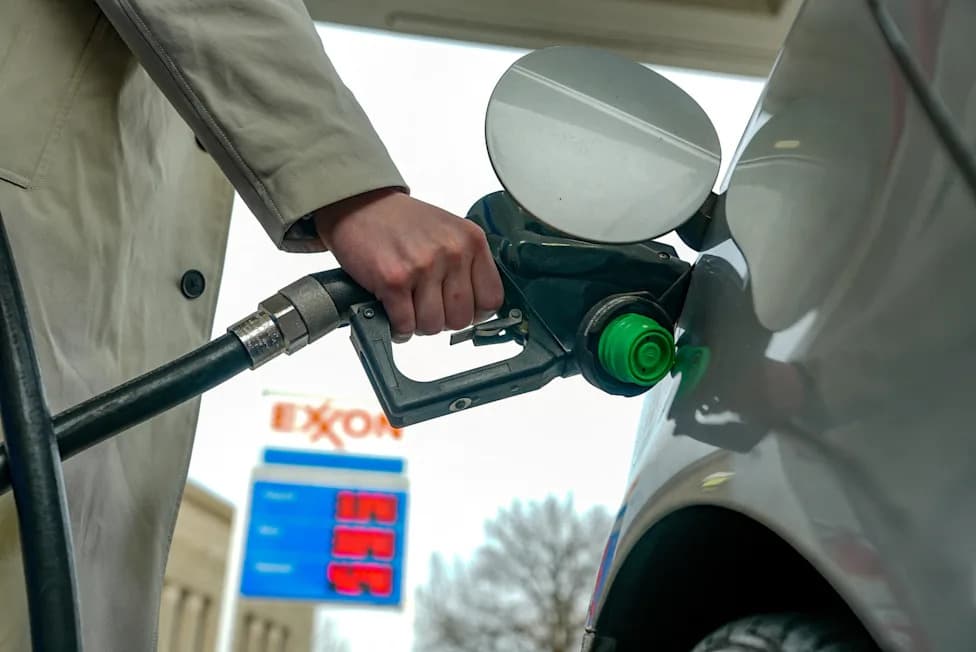
Speaking at a manufacturing facility in Auburn Hills, Michigan, Vance said the administration plans to announce a "couple of things" within the next 24 to 48 hours aimed at easing pressure at the pump. Gasoline prices have jumped about 92 cents on average nationwide compared with last month, according to travel analyst AAA.
Meeting With Industry And State Leaders
An API spokesperson confirmed to Reuters that Vance, Wright, members of Congress and several governors will gather to review energy market conditions amid heightened global volatility. The industry said it will provide insight into market dynamics and work to strengthen U.S. energy leadership and resilience over the long term.
"Our industry is focused on providing insight into market dynamics and strengthening American energy leadership and resilience for the long term," the API spokesperson said.
Why Markets Are Nervous
Oil prices spiked after Iran's major Pars gas field was struck on Wednesday, the first reported attack on Iran's Gulf energy infrastructure. Markets have also been unnerved by threats to shipping near the Strait of Hormuz, a vital oil route where tankers face the risk of mines and other hazards.
Tehran has warned it will retaliate across the Gulf for the gas-field strike, a development that could push consumer prices even higher in the near term.
"We know they're up, and we know that people are hurting because of it, and we're doing everything that we can to ensure that they stay lower," Vance told the Michigan crowd.
Political Stakes
The administration is acutely aware that rising fuel costs can have political consequences ahead of the November midterm elections, where Republicans aim to retain control of both chambers of Congress.
(Reporting by Bo Erickson and Jarrett Renshaw; editing by Michelle Nichols, Colleen Jenkins and Diane Craft)
Help us improve.