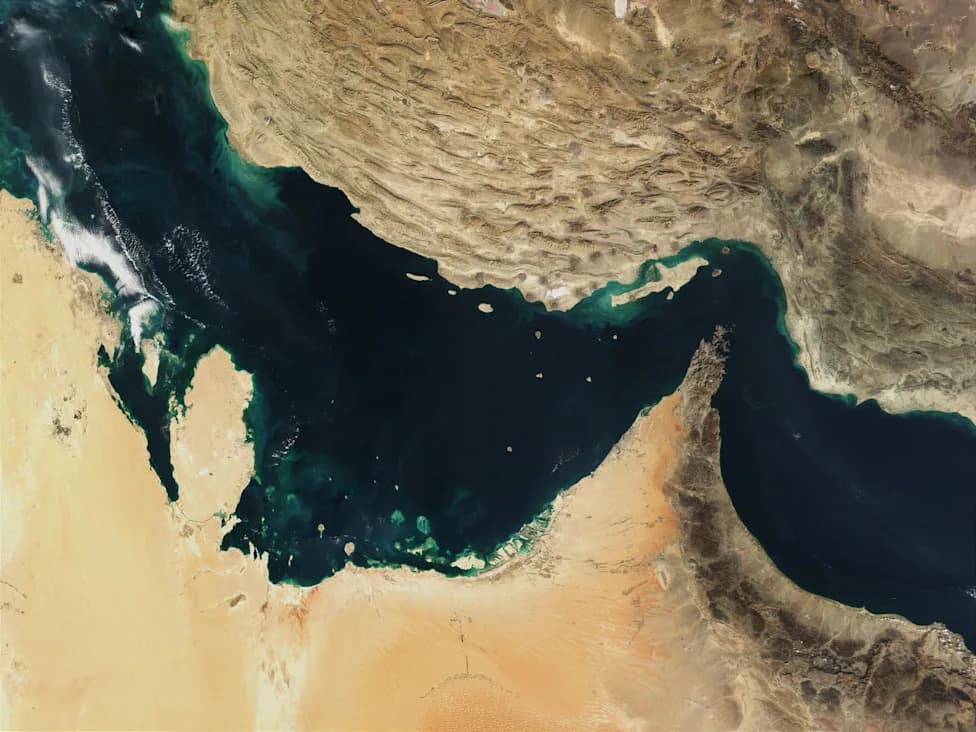
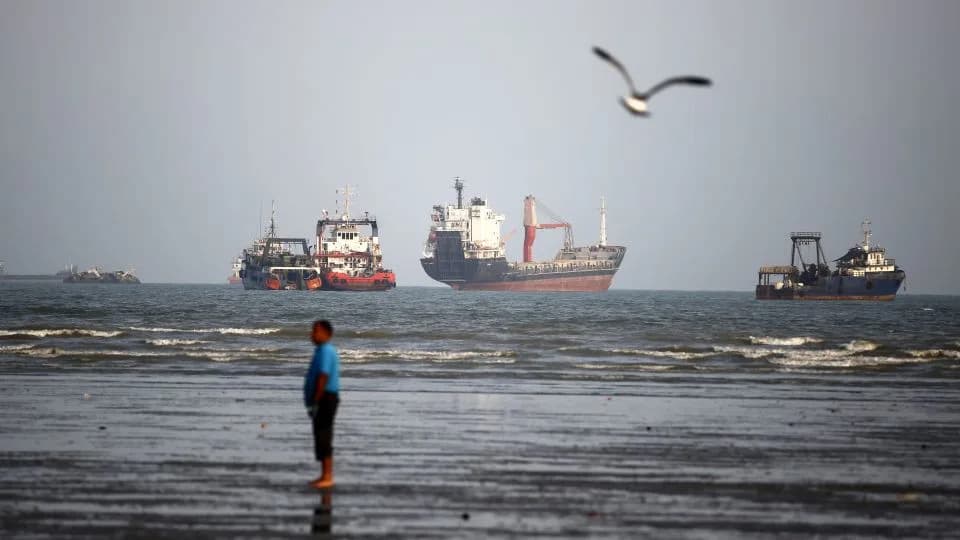
The IMO has convened an emergency two-day meeting in London as roughly 20,000 seafarers remain stranded on about 3,200 vessels west of the Strait of Hormuz. The IMO council may vote on non-binding resolutions, including a proposal for a safe maritime corridor to evacuate ships and crews. Gulf states accuse Iran of attacks that disrupted shipping; Iran blames Israeli and US strikes. Nations and industry groups are urging coordinated security measures and protections for seafarers.
UN Maritime Agency Urges Urgent Action as 20,000 Seafarers Stranded Amid Strait of Hormuz Disruption
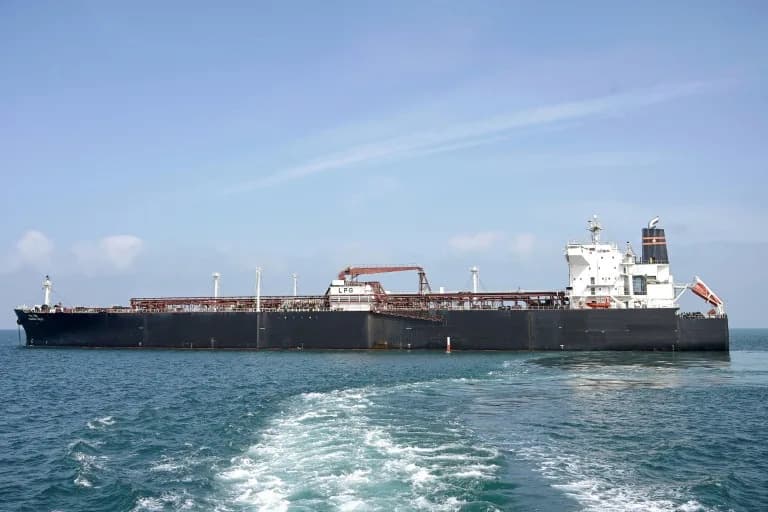
The Indian vessel 'Nanda Devi' carrying liquefied petroleum gas docked in Gujarat on March 17 after Iran allowed it to pass through the Strait of Hormuz (STR)(STR/AFP/AFP)
The head of the United Nations' maritime agency has called for "practical measures" to protect commercial vessels and crews after Middle East hostilities left thousands of ships and seafarers at risk. The International Maritime Organisation (IMO) opened an emergency two-day session in London to address a growing shipping crisis that threatens global trade and energy supplies.
Emergency IMO Meeting in London
The IMO's 40-member council is meeting at the organisation's London headquarters and may vote on Thursday on a set of draft resolutions. One proposal would "establish a safe maritime corridor to allow the safe evacuation of seafarers and ships stranded in the Persian Gulf." Any council resolutions would be non-binding, however, and serve mainly as international guidance and political pressure.
The session is open to all 176 member states and attended by a wide range of NGOs and maritime industry groups. According to the IMO's latest figures, roughly 20,000 seafarers are currently stranded on about 3,200 vessels positioned west of the Strait of Hormuz, a strategic choke point for global energy shipments.
IMO Chief Warns of Global Impact
"This situation is unacceptable and unsustainable," IMO Secretary-General Arsenio Dominguez said as the meeting opened, urging members to focus on "practical measures" to resolve the crisis. "Shipping has demonstrated time and again how resilient it is but geopolitics are testing the sector to the limit and every time that shipping is used as collateral damage in these conflicts, the whole world is negatively affected."
Allegations and Condemnations
Gulf states, led by the United Arab Emirates, used their opening remarks to condemn what they described as "unprovoked, unjustifiable, indiscriminate and wholly unlawful attacks" by Iran, calling the strikes a breach of sovereignty and international law. Several western and regional governments urged the IMO council to adopt a declaration strongly condemning the attacks and the "purported closure of the Strait of Hormuz."
Iran, an IMO member though not on the council, blamed the deterioration of maritime security on strikes by Israel and the United States, saying the maritime fallout was a direct consequence of those actions.
According to the UK Maritime Trade Operations (UKMTO), at least 21 ships have been hit, targeted or reported attacks since the conflict began. Disruptions around the Strait of Hormuz — through which about one-fifth of global crude oil and liquefied natural gas normally transit — have pushed up oil prices and unsettled markets.
Calls for Practical Protections and Seafarer Welfare
Japan, Panama, Singapore and the UAE have urged the IMO to help establish a framework to facilitate the safe evacuation of ships and seafarers from high-risk areas. Industry groups have pressed for a coordinated international security approach that also prioritises seafarer welfare — including reliable communications, crew changes and adequate provisions on affected vessels.
Delegates at the meeting are weighing a mix of diplomatic declarations and operational proposals intended to reduce immediate risks to ships and crews while longer-term political solutions are pursued.
Help us improve.