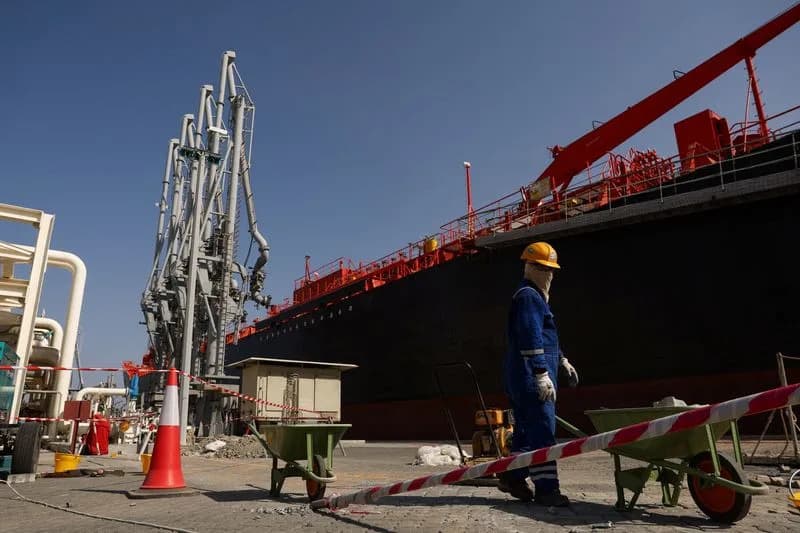
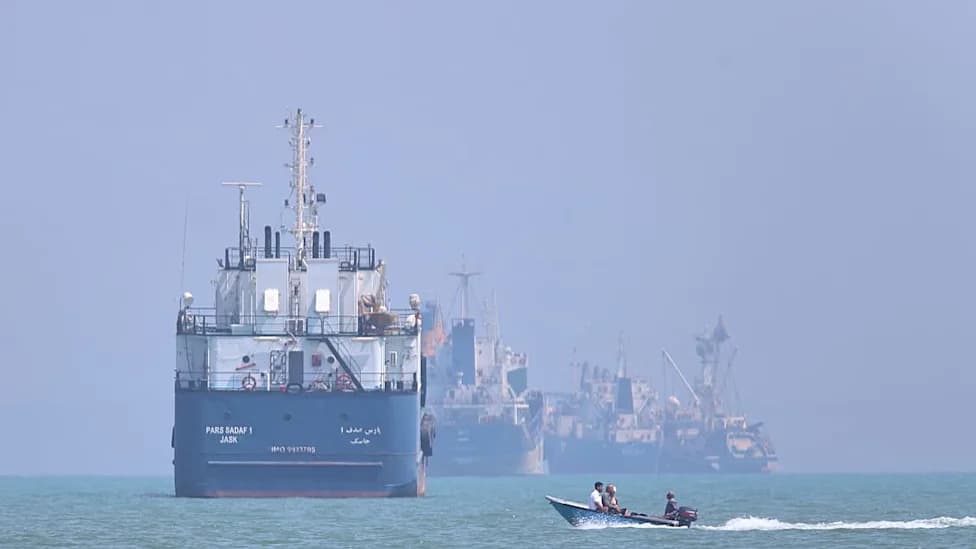
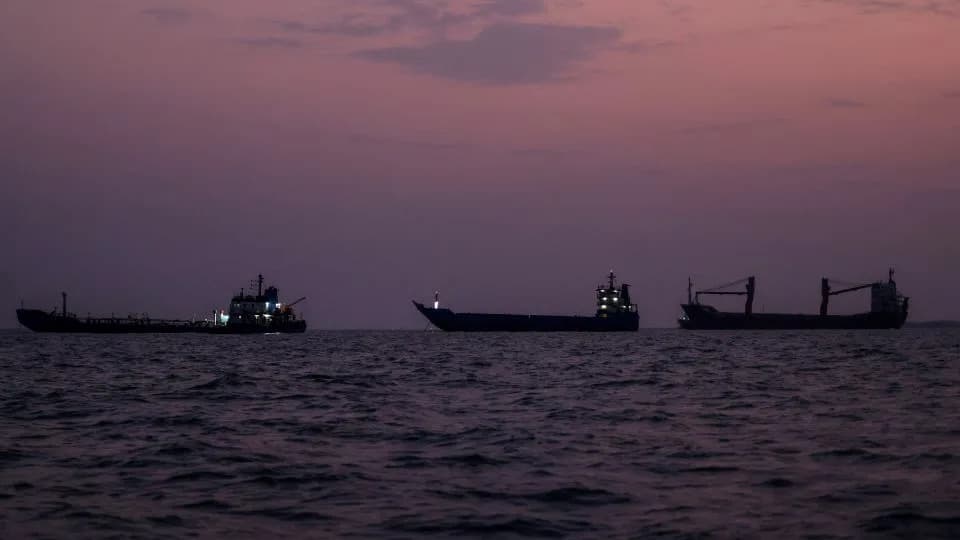
The United Arab Emirates indicated it could participate in a U.S.-led effort to protect shipping through the Strait of Hormuz, but officials said no formal plan has yet been finalized. Anwar Gargash told the Council on Foreign Relations that states share responsibility for keeping trade and energy moving and that, after any conflict with Iran, formal safeguards would be needed to prevent further threats. Rising tensions and recent incidents in the strait have spurred calls for multinational naval escorts.
UAE Signals Possible Role In U.S.-Led Effort To Safeguard Strait Of Hormuz
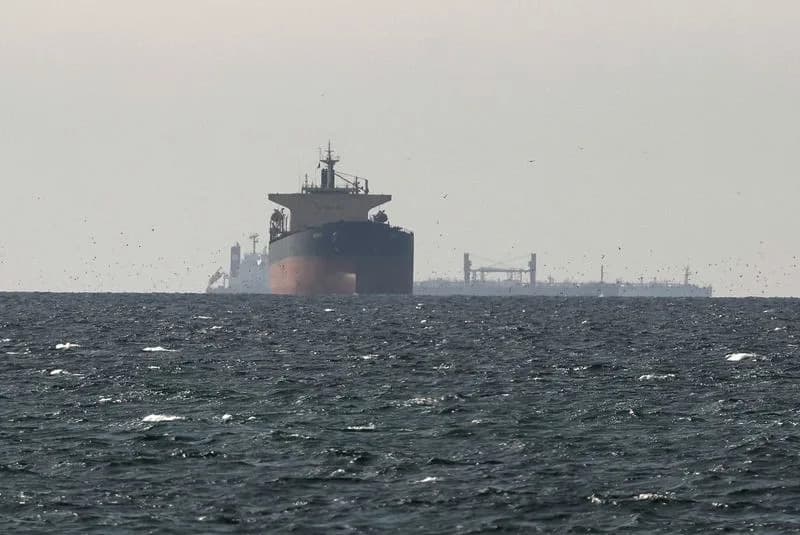
Tankers sail in the Gulf, near the Strait of Hormuz, as seen from northern Ras al-Khaimah, near the border with Oman’s Musandam governance, amid the U.S.-Israeli conflict with Iran, in United Arab Emirates, March 11, 2026. REUTERS/Stringer
TEL AVIV, March 17 — The United Arab Emirates said it could take part in a U.S.-led initiative to safeguard shipping transiting the Strait of Hormuz, though a senior Emirati official stressed that no formal plan has been agreed and talks are continuing.
"We all have a responsibility to ensure the flow of trade, the flow of energy,"Anwar Gargash, the diplomatic adviser to the UAE president, said during an online event hosted by the Council on Foreign Relations.
Gargash also said that, once any conflict with Iran ends, participating states would need a formal arrangement to ensure Iran cannot use its nuclear, missile or drone programs "to terrorize the region."
Context
The Strait of Hormuz is a vital maritime chokepoint for global energy supplies. Recent incidents and heightened tensions in the area have prompted concerns about the safety of commercial shipping and oil tankers. In response, U.S. officials — including President Donald Trump — have urged countries to consider deploying warships to escort vessels through the strategic waterway.
The UAE's willingness to consider joining a coalition underscores regional anxieties and a readiness to cooperate on maritime security. UAE officials, however, emphasize that any multinational effort would require further consultations, clear objectives and rules of engagement before moving forward.
Reporting by Alexander Cornwell; Editing by Alistair Bell
Help us improve.