Multiple outlets, including MS NOW, report that Russia provided Iran with intelligence that could be used against U.S. targets, a claim corroborated by Iranian officials and U.S. figures such as Mike Waltz and Adam Schiff. The White House has been criticized after reportedly agreeing twice to temporarily ease oil sanctions on Russia. President Trump suggested the U.S. has engaged in similar behavior by aiding Ukraine, prompting bipartisan and regional concerns about the administration’s response.
Trump Appears To Give Putin A Pass As Russia Is Accused Of Helping Iran Target U.S. Forces
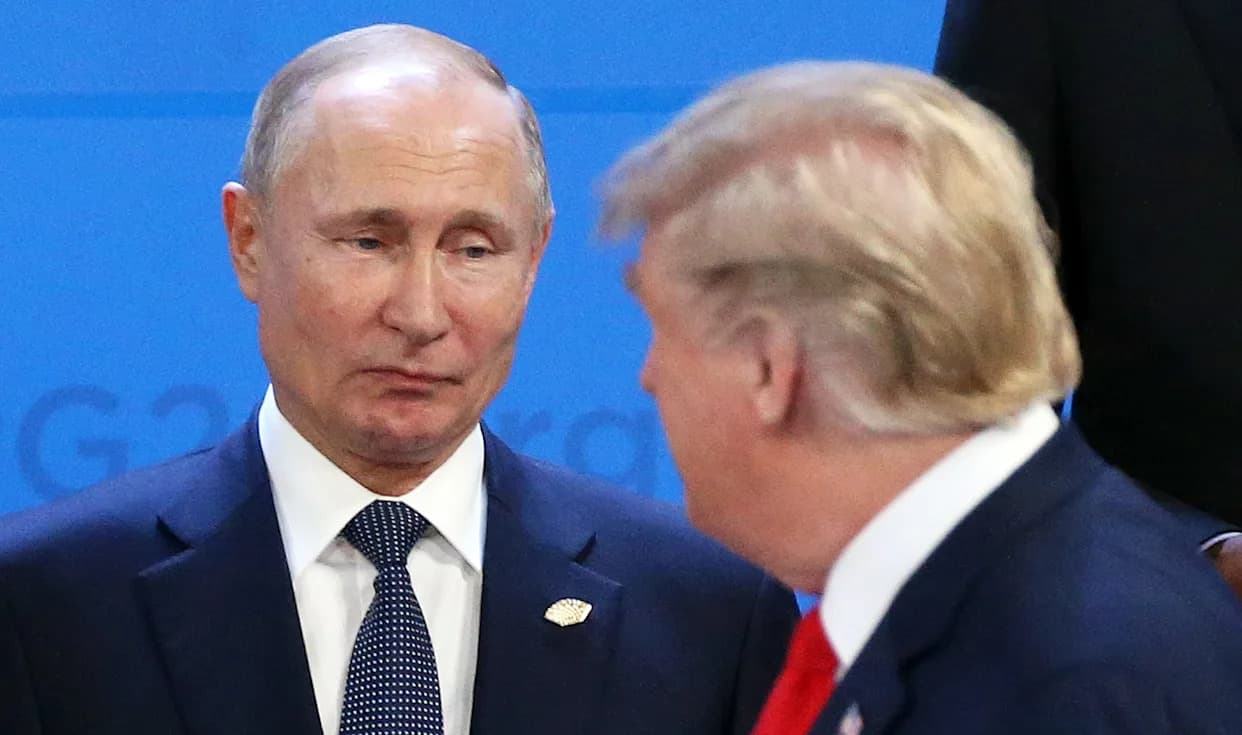
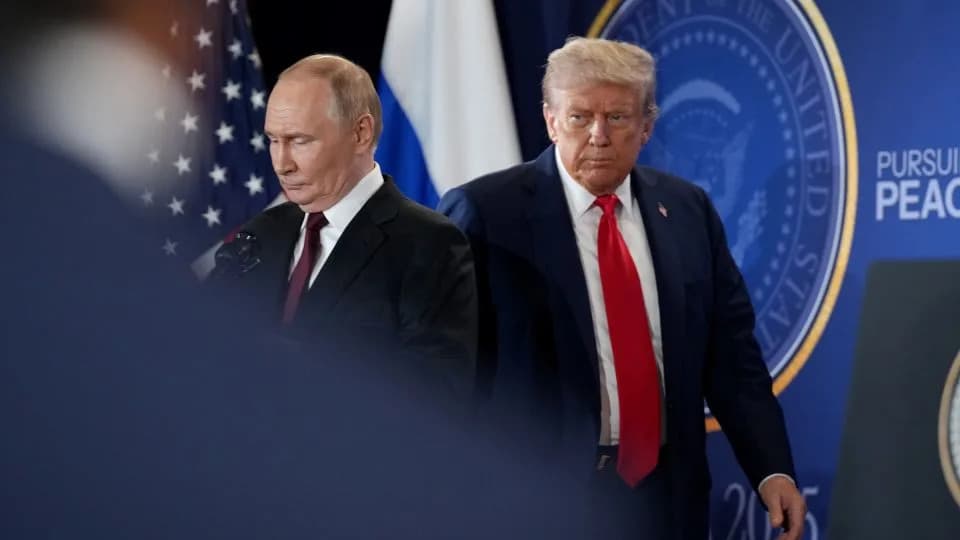
Russian President Vladimir Putin looks at President Donald Trump during the welcoming ceremony prior to the G20 Summit’s Plenary Meeting on Nov. 30, 2018, in Buenos Aires.(Mikhail Svetlov / Getty Images)
Reports from multiple outlets, including MS NOW, allege that Russia provided Iran with intelligence that could be used to strike American targets — a claim U.S. and Iranian officials have acknowledged and that has deepened concern about U.S. national security and foreign policy consistency.
What the Reporting Says
About nine days after initial reporting, the core allegations remain: a U.S. official told MS NOW point-blank, "Russia is providing intelligence help to Iran." Iranian authorities have publicly confirmed "military cooperation" with Moscow. U.S. Ambassador to the United Nations Mike Waltz described a wartime "strategic partnership" between Russia and Iran, and Sen. Adam Schiff, the former House Intelligence Committee chair, said Russia "is providing intelligence to Iran to better attack and kill American troops." These confirmations have lent weight to the original reports and raised urgent questions about the scope of the cooperation.
White House Response
The administration's response has been controversial. Initially, President Trump and senior aides appeared indifferent to the allegations. According to reporting, the White House then agreed — on two separate occasions — to temporarily ease some oil sanctions on Russia, a move critics say risks rewarding Moscow even as it is accused of aiding an adversary.
When pressed about Russia's role, President Trump told Fox News' Brian Kilmeade, "You know, it’s like, hey, they do it and we do it, in all fairness. They do it and we do it." He later reiterated a similar point to the Financial Times, suggesting U.S. assistance to Ukraine complicates attempts to single out Russia.
Why This Matters
Those developments have prompted bipartisan criticism on Capitol Hill and concern from regional partners whose cooperation the administration has publicly solicited. Observers note the political optics of easing sanctions while allegations of hostile assistance persist. The Wall Street Journal reported that President Putin "can barely conceal a smirk," underscoring perceptions that Moscow may be benefiting strategically from the current tensions.
With multiple officials and outlets corroborating the core facts, the central question has shifted from whether assistance occurred to how the U.S. will respond — both to protect American personnel and to uphold international norms against adversarial cooperation. The situation has increased calls for clarity, oversight, and a coherent strategy that addresses both intelligence-sharing allegations and broader bilateral relations with Russia.
Help us improve.