The author argues that modern combat—even when fought remotely—can inflict profound moral injury: trauma rooted in actions taken or not prevented rather than only in harm suffered. Remote operators (pilots, drone crews, targeting officers, planners) face lasting psychological wounds similar to those of front-line troops, and studies identify moral injury as a major predictor of PTSD. The piece urges recognition, accountability, and robust mental-health planning for service members involved in recent strikes, including a reported attack on a girls’ school in Iran that killed roughly 175 people.
No Ground War in Iran — Remote Warfare Is Inflicting Deep Moral Injury
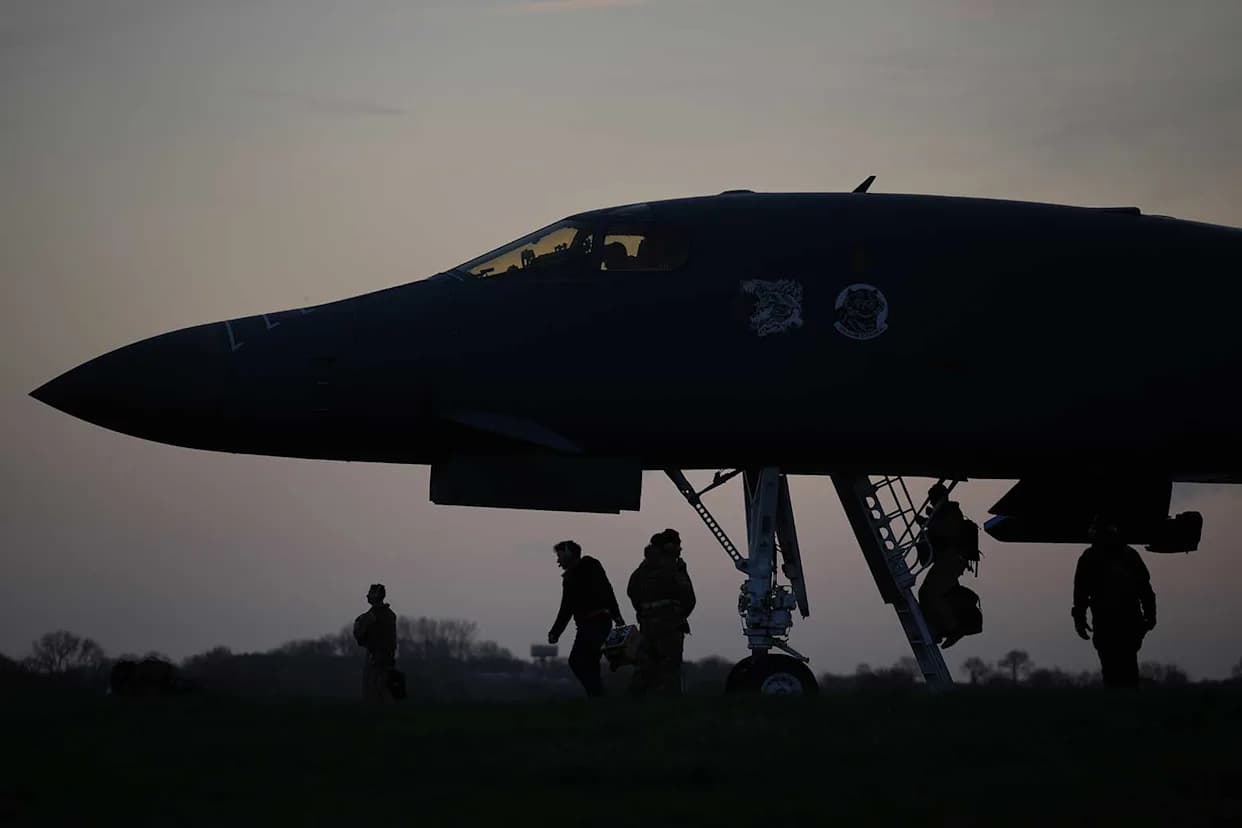
I will never forget a public-service commercial I saw on the Armed Forces Network while deployed to Iraq. It warned about post-traumatic stress disorder and showed a man washing his hands as water ran blood-red; in the bathroom mirror a traumatic scene unfolded: mangled bodies stretched into the distance. The image was shocking but unsurprising—military culture often rallies around those who witnessed friends die or who huddled in dirt while explosives detonated nearby.
But research shows that for many diagnosed with PTSD, the deepest wound does not come solely from what happened to them, but from what they did or failed to prevent. That mechanism is called moral injury. It can take a sympathetic form—"I couldn’t save them"—or a brutally unsympathetic one—"I killed them." For service members carrying moral injury, integrating those acts into a coherent life story and sitting with what they did can be far more difficult than recovering from being a victim of violence.
Remote Violence, Real Consequences
We are, again, in a period of heightened U.S. intervention overseas. At the time of writing, the administration has been involved in several armed engagements—three to five, by some counts. In the case of Iran, presidential gestures toward de-escalation have competed with statements from senior officials casting doubt on a quick end to hostilities. The president has even signaled the potential for force against other states, such as Cuba.
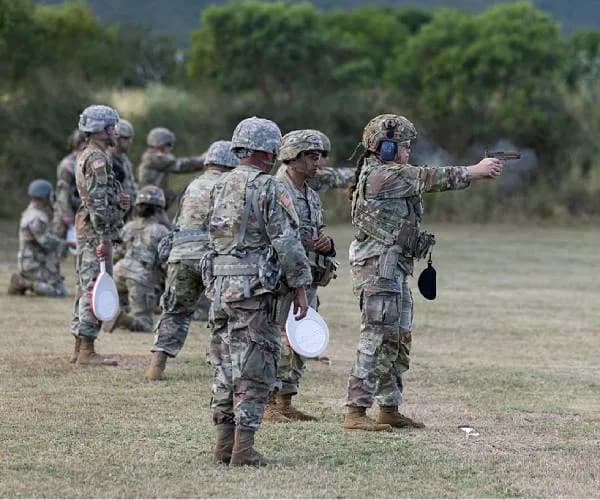
These interventions have, so far, not required large-scale ground deployments. That absence has tempted some observers to accept the idea that U.S. troops will be largely spared the most visible costs of war—flag-draped coffins and mass casualties. Much of the fighting has indeed been conducted at a distance: pilots, missile and drone operators, fire-control technicians, targeting officers and tactical planners execute strikes from afar.
But distance does not equal immunity. For many veterans of modern warfare, the central struggle is not reconciling being victimized; it is reconciling the person in the mirror. The authority of mission and chain of command can sustain a sense of righteousness for a time, but it erodes. Ultimately, many face the stark realization that, when given a choice, they could have said, "I will not do this," no matter the consequences. We are a volunteer force; nobody forced many of us to sign up.
A Personal Reckoning
My clearest encounter with that fracture came years after I returned from Iraq, where I worked as a targeting officer. One spring night in Manhattan a friend called me "a good guy." The compliment hit like a blow. I answered with cold anger and spent the next 15 minutes demanding whether the mothers of the Iraqis we had struck would look at my comfortable life—the peaceful meal we’d just shared, the apartment I would return to—and call me good. If they would, I said, I could accept it. But I knew they would not.
That is moral injury: a bone-deep sense that you are not a good person, not because of some extraordinary character defect, but because you participated in an ordinary human tendency to objectify others. In everyday life that impulse yields exclusion or backstabbing; on a battlefield or during a law-enforcement encounter it can produce abuse, torture, or fatal mistakes.
Labels, Dehumanization, and Lasting Harm
Language matters. People labeled as "domestic terrorists" or "the enemy" become easier to dehumanize. In law enforcement, terms like EDP (Emotionally Disturbed Person), "individuals," or worse, have been used to strip people of their personhood. That psychological stripping is a key tool that makes it possible to pull a trigger, swing a baton, or sign off on a strike. Once a violent action is taken, it is final; "I was just doing my job" grows thin as a defense, and the person is left to reconcile who they thought they were with who they now are.
Ruminating on those actions can become torturous, and our era of outrage cycles and social-media call-outs intensifies the pain. The internet’s shorthand for those seeking atonement can be cruel: across platforms, people are told "KYS" ("kill yourself"). Too many vulnerable people heed that call.
Pilots, missile and drone operators, targeting officers, fire-control technicians, artillery officers, and tactical planners may not be the close-combat "pipe-hitters," but moral injury shows they are at real risk of invisible wounds that will haunt them for life. Studies find moral injury to be a major contributor to PTSD and, in at least one study, its strongest predictor.
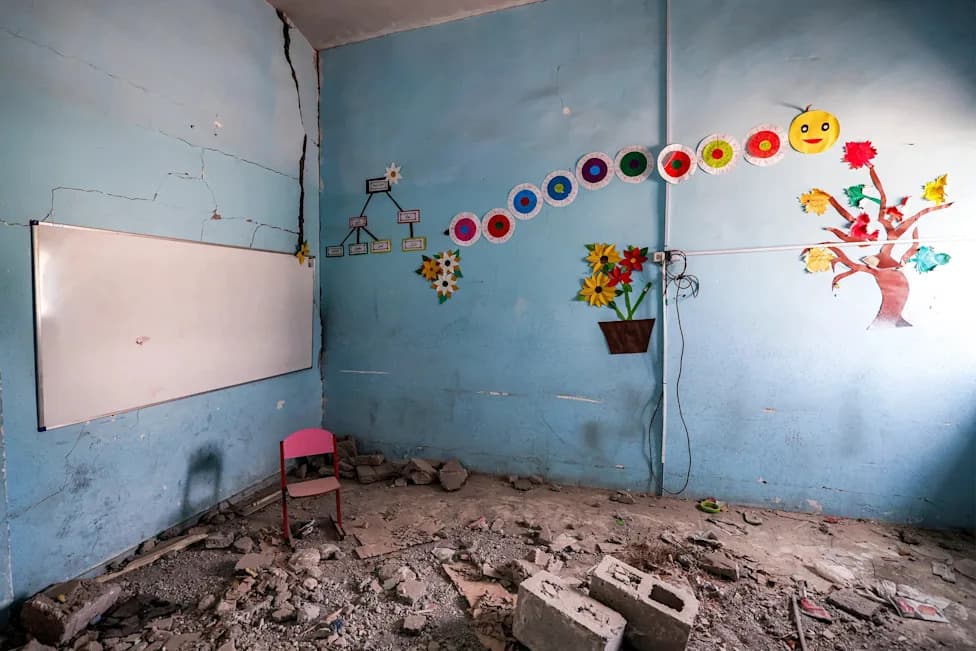
I think of a mission reported two weeks ago that struck a girls' school in Iran, an attack said to have killed roughly 175 people, mostly children. I cannot picture those involved in such an operation simply shrugging it off and resuming ordinary life without deep moral consequences.
What We Owe Our Troops
We have not yet committed large numbers of ground troops to current foreign interventions. But whether we see it or not, we are inflicting harm on the people we ask to fight on our behalf. We must acknowledge that harm, plan for it, and be ready to provide accessible, evidence-based mental-health care. We must also create accountability and spaces for honest moral reckoning so service members can answer the searing questions they will face: "Why did I do this?" and "What did I think would happen?" Given shifting public rationales for recent strikes, those questions will be especially hard to confront.
Bottom line: Remote warfare spares few consciences. Planning for and treating moral injury must be central to how we support the people we send to fight.
Help us improve.