Bhumika Shrestha, 37, has become Nepal’s first transgender woman lawmaker after being confirmed as a proportional-representation MP for the Rastriya Swatantra Party. The RSP secured 182 seats in the March election, leaving it just shy of a two-thirds majority. Shrestha — a longtime LGBTQ rights advocate — says she feels both excitement and the responsibility to push for laws and policies that benefit her community. Nepal has a record of progressive LGBTQ measures, but openly LGBTQ representation in public office has been rare.
Bhumika Shrestha Makes History As Nepal’s First Transgender Woman Lawmaker
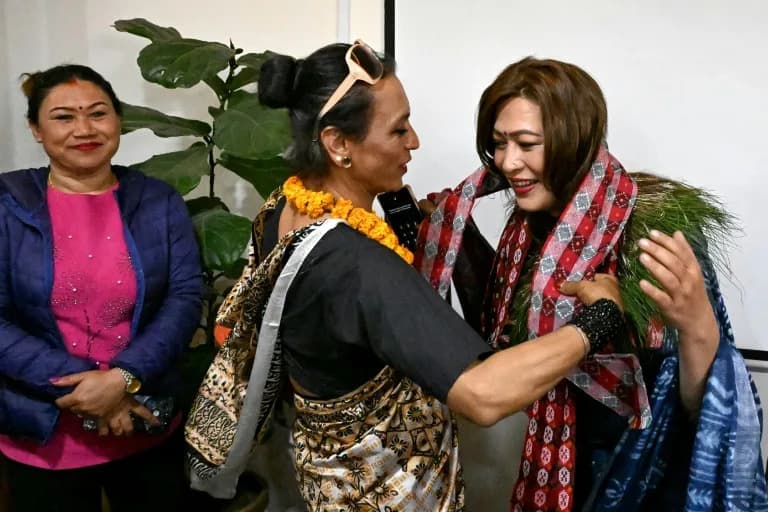
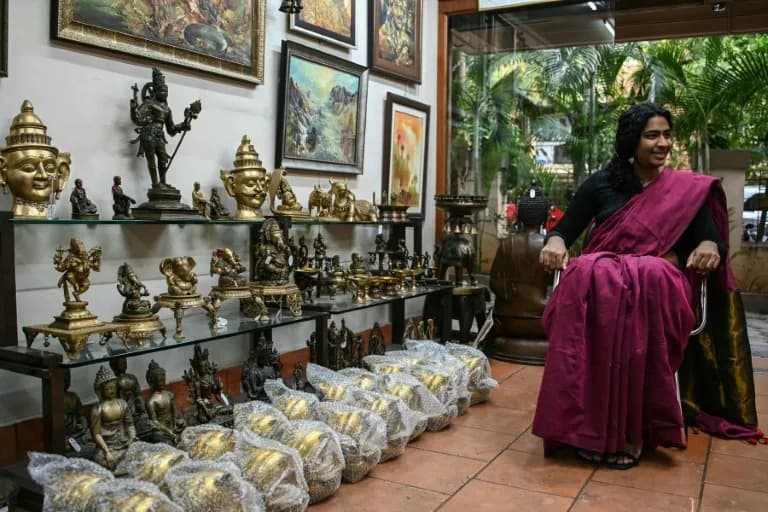
Bhumika Shrestha (R) is Nepal's first elected transgender woman lawmaker (Prakash MATHEMA)(Prakash MATHEMA/AFP/AFP)
Draped in garlands and greeted by supporters, Bhumika Shrestha on Monday became Nepal’s first transgender woman to serve in parliament — a milestone celebrated by the country’s marginalized LGBTQ community.
Nepal’s Election Commission confirmed the 37-year-old rights advocate as a proportional-representation member of the House of Representatives for the centrist Rastriya Swatantra Party (RSP). The 275-member lower house was elected on March 5 in the country’s first national vote since anti-corruption protests toppled the government last September.
“I am very excited but also feel the responsibility on my shoulders,”Shrestha told AFP.
“Our constitution has provisions for our community but they have not translated to laws and policies. Our community expects me to raise our issues in parliament.”
The RSP, led by rapper-turned-politician Balendra Shah, secured a dominant position in the new legislature: 125 of 165 directly elected seats and 57 additional seats through proportional representation, bringing its total to 182 — just two seats short of a two-thirds majority.
At a gathering in Kathmandu, supporters and members of the Blue Diamond Society (BDS) — Nepal’s leading LGBTQ rights organization — presented Shrestha with scarves, flowers and symbolic gifts, including a pen to represent the legislative power she will now hold. Umisha Pandey, BDS president, called the development “historic,” adding that only members of the community fully understand the hardships and needs they face.
Legal Progress and Ongoing Challenges
Nepal has enacted several progressive measures for sexual minorities: discrimination based on gender or sexual orientation was outlawed in 2007; a third-gender option for citizenship documents was introduced in 2013; passports added an “others” category in 2015; and an interim Supreme Court order in 2023 allowed same-sex and transgender couples to register marriages.
Despite these legal advances, representation has lagged: no openly LGBTQ person has served in public office since 2008, when an openly gay man was nominated to parliament under the proportional representation system. According to BDS, more than 900,000 people in Nepal identify as sexual minorities, underscoring the significance of Shrestha’s appointment and the expectations placed on her to push policy changes.
What Comes Next: Shrestha’s legislative role will test how constitutional protections for sexual minorities translate into concrete laws and policies. Advocates say her presence in parliament could accelerate reforms on issues such as anti-discrimination legislation, legal recognition and family rights for LGBTQ people.
Help us improve.