The Gen Z protests that began on 8 September 2025 forced the resignation of KP Sharma Oli, led to an interim government and culminated in March elections that brought Balendra Shah and the Rastriya Swatantra Party to power. While immediate goals—resignations, dissolved parliament and fresh elections—were met, critics say systemic corruption, prolonged detentions and bureaucratic inertia remain largely unaddressed. The country now faces a devastating flood crisis that could either delay reforms or create new political momentum for change.
One Year On: Did Nepal’s Gen Z Protests Deliver Real Change?
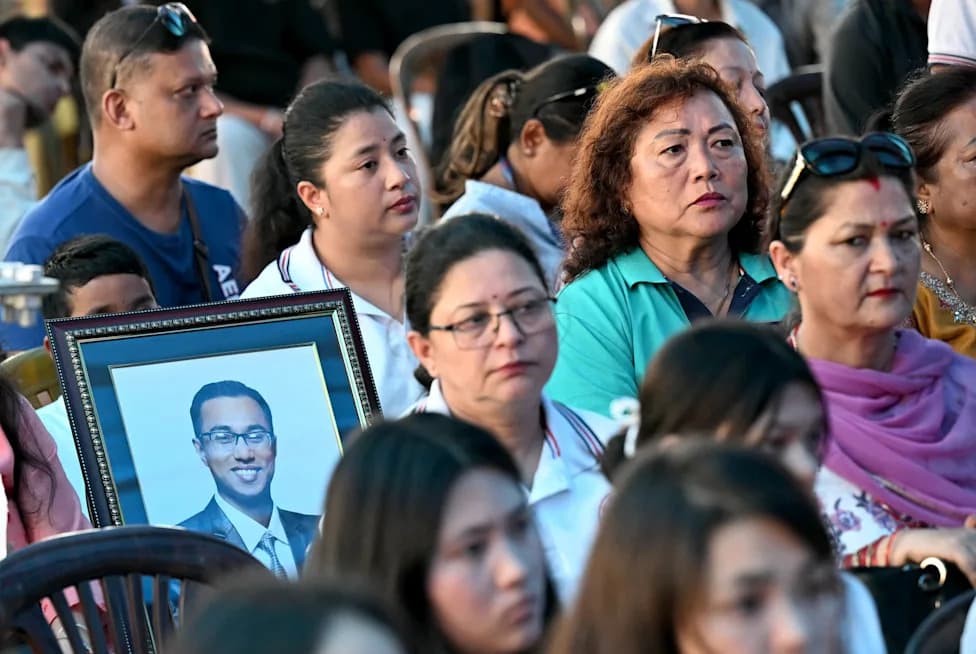
People gather to pay homage to victims of the 2025 anticorruption Gen Z protests, during a memorial at the old Parliament building in Kathmandu on September 8, 2026 [AFP]
One year after mass youth-led demonstrations forced a political upheaval in Nepal, the country is still debating how much has actually changed. The Gen Z protests that began on 8 September 2025 toppled a government, prompted fresh elections and ushered in a wave of young politicians — but critics say deep structural reforms remain elusive.
What Happened
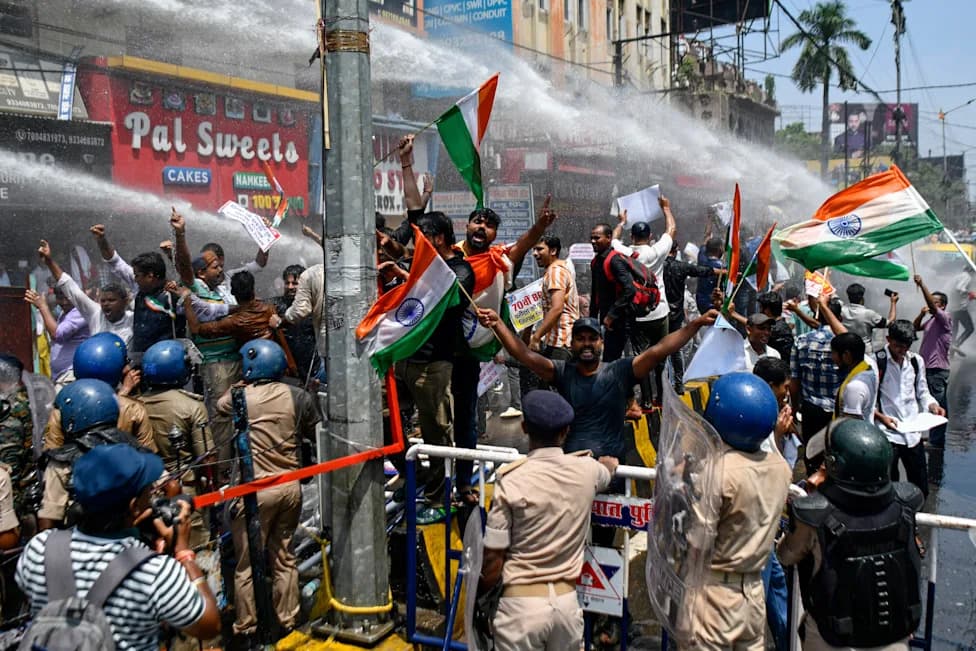
The protests began on 8 September 2025 in Kathmandu and several other cities, driven by outrage over corruption scandals and the ostentatious online lifestyles of the children of powerful officials — derisively labelled “Nepo kids.” The unrest followed a brief government ban on 26 social platforms, including Facebook, Instagram, X and TikTok, which was lifted as demonstrations spread.
Despite curfews, thousands of young people continued to protest. Security forces arrested demonstrators and, in a violent escalation, police fired live rounds into crowds. Human rights groups and local reports put the death toll from the crackdown at about 76, with hundreds injured and many detained. Several government buildings, including the parliamentary complex, were set on fire and the army was deployed to restore order.
Political Fallout
The immediate political consequences were dramatic. On 9 September, Prime Minister KP Sharma Oli resigned. Sushila Karki, Nepal’s former chief justice, served briefly as interim prime minister, and national elections were held in March this year.
The elections brought 35-year-old Balendra Shah — a rapper-turned-politician — to power as Nepal’s youngest prime minister. He leads the Rastriya Swatantra Party (RSP), also known as the National Independent Party (NIP), which captured more than two-thirds of the 165 directly elected parliamentary seats, while long-standing parties such as the Nepali Congress and CPN-UML saw their representation shrink.
Were Gen Z’s Demands Met?
The movement’s core demands included: an end to entrenched corruption and nepotism, the resignation or suspension of officials implicated in the crackdown, dissolution of parliament, an interim government and new elections. On those immediate demands, the movement had clear successes: Oli resigned, parliament was dissolved, an interim government was installed and nationwide elections were held.
“The result reflected public disenchantment with the old political establishment,” said Yog Raj Lamichhane, assistant professor at Pokhara University.
In March, police arrested KP Oli and former Home Affairs Minister Ramesh Lekhak over alleged roles in the deadly crackdown; both were released in April after a Supreme Court order warned against indefinite detention. They remain under investigation but have not been formally charged.
Limits Of Change
Despite political turnover, many analysts and activists argue that the deeper problems of corruption, bureaucratic inertia and structural inequality have not been meaningfully addressed. Dinesh Paudel, professor at Appalachian State University, told Al Jazeera that governance styles have not changed substantially and that many of the protesters’ fundamental concerns remain unresolved.
Young leaders have entered parliament and government, but they face constraints from entrenched party hierarchies, inexperience and the inertia of the existing political system. Bishnu Raj Upreti of the Nepal Centre for Contemporary Research praised the emergence of youthful lawmakers but warned that leadership change alone is not enough without systemic reform.
The divide between elected youth politicians and street activists has widened: some newly elected officials are trying to work within the system, while many civil-society figures accuse them of compromising core demands. In May, 25 of 29 invited Gen Z activists boycotted a government consultation on constitutional amendments, arguing that the process ignored deeper systemic problems.
Justice, Accountability And Detentions
Families of those killed in the crackdown have pressed for accountability. Authorities say injured protesters have received medical care and some financial compensation, but activists insist that real redress means delivering on the political and legal promises that motivated the movement.
Aayush Basyal and other activists warn that many poorer and marginalized protesters remain detained. Official tallies cited by activists list more than 900 people in custody for arson-related charges; unofficial estimates put the number much higher. Prolonged detention of these individuals raises concerns about unequal enforcement and potential institutionalisation of punishment for protest-related offences.
What Comes Next
Analysts say meaningful progress requires structural reforms: legal and bureaucratic overhaul, decentralisation to strengthen provincial and local government, and improved governance to curb institutionalised corruption. Observers also note Nepal’s geopolitical position — it must cultivate balanced relations with neighbouring India and China to support economic recovery and stability.
At the same time, Nepal is grappling with a humanitarian crisis. Flags flew at half-mast as the country mourned more than 1,300 confirmed dead after catastrophic floods along the Tibet border; thousands remain missing. Some activists point to past precedents — such as the 2015 constitution that followed a major natural disaster — and hope this tragedy will spur unity and renewed momentum for reform.
Bottom line: The Gen Z movement achieved swift political change, but delivering durable reforms — accountability, anti-corruption measures and deep structural transformation — remains an unfinished and contested task.
Help us improve.