The Liberal Democrats' decision to prioritise trans demands over sex-based women's protections at their conference has sparked debate about legal guidance, party strategy and political consequences. The EHRC must align its guidance with the Supreme Court’s interpretation of the Equality Act, limiting what the commission can lawfully recommend. Strategists may have judged the motion tolerable in many marginal seats because Labour and other centre-left parties are unlikely to make it a core campaign attack. If the Left does not more robustly defend sex-based protections, critics warn, the political space could shift rightward.
Lib Dems' Stance On Trans Rights Exposes The Left’s Political Timidity — Risks For Women's Protections And Elections

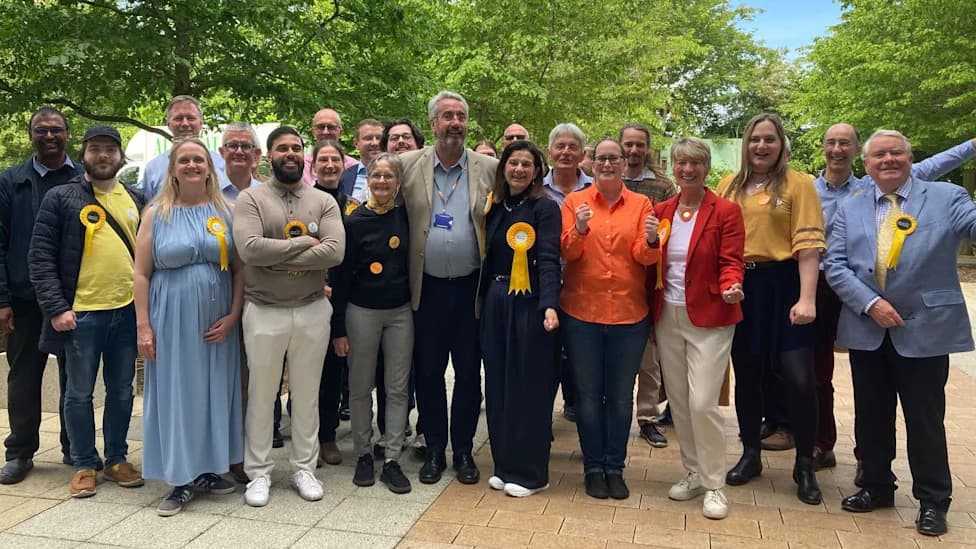
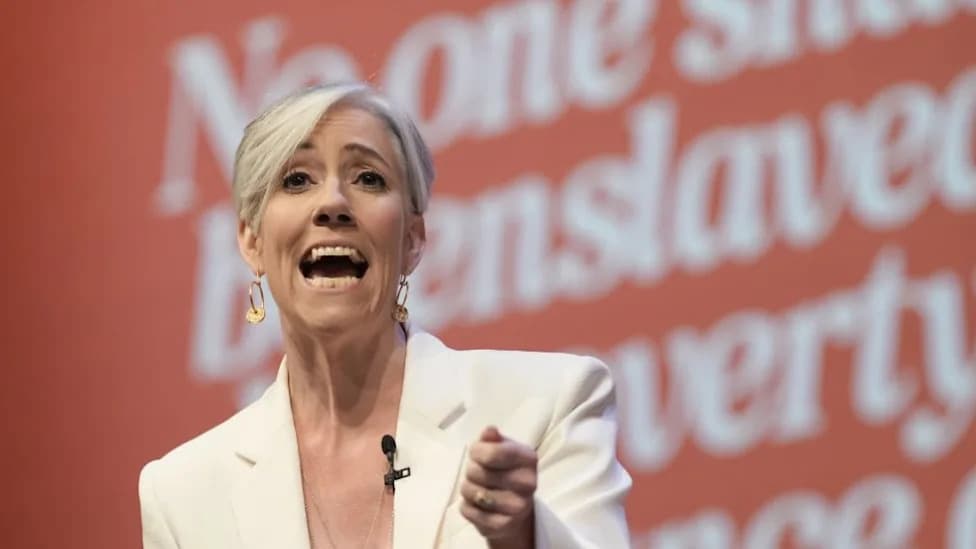
Lib Dem activists gathering in Brighton have stated that the EHRC code is 'discriminatory and unworkable' - Alishia Abodunde/Getty Images
The Liberal Democrats' decision to prioritise trans demands over sex-based women's protections at the opening full day of their conference has provoked controversy and raised uncomfortable questions about legal interpretation, party strategy and the wider Left's political positioning.
Legal Context
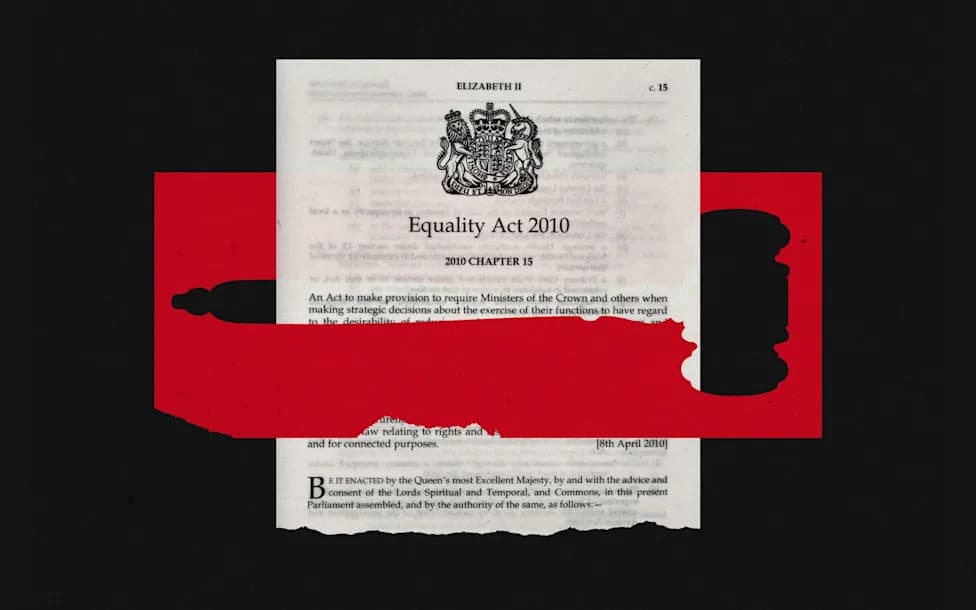
Delegates in Brighton criticised the Equality and Human Rights Commission (EHRC) guidance — calling it "discriminatory and unworkable" — after the Supreme Court clarified how the Equality Act should be interpreted. It is important to note that the EHRC is legally required to publish guidance consistent with the Equality Act and the court's interpretation. It would therefore be unlawful for the EHRC to issue guidance that contradicts the Supreme Court's ruling on what the law defines as "women."
Policy And Activism
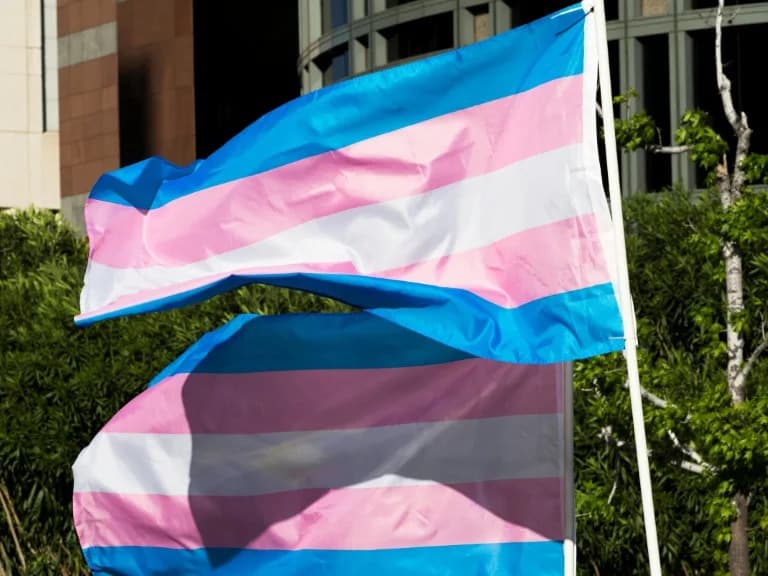
The motion debated at the conference reflects a broader campaign by trans-rights activists to secure legal and practical recognition of gender identity in single-sex spaces such as changing rooms, toilets and prisons. Some delegates are calling for changes to the law itself, though the proposals put forward at conference did not specify the precise legislative adjustments sought.
Political Calculations
At first glance the motion looks like a political own goal: it risks alienating sections of the public who find the issue confusing or objectionable. Yet the Lib Dems' strategists are experienced campaigners. The party has historically won unexpected by-elections by carefully targeting constituencies and volunteer networks. That suggests the motion was likely weighed against its impact in marginal seats, where opponents may not make it a central campaign issue.
Why Other Parties Are Hesitant
The article argues that Labour is unlikely to attack the Lib Dems on this matter despite publicly backing the EHRC guidance. The reason given is tactical: many grassroots activists within Labour are sympathetic to trans-identified people, making candidates wary of taking a public stance that could alienate volunteers and supporters. As a result, the issue is rarely used as a line of attack by centre-left rivals.
Wider Consequences
Critics say that, over the last decade, left-of-centre parties and trade unions have effectively ceded the defence of sex-based women's rights to the political Right. If the Left does not mount a clearer defence of women’s sex-based protections, the piece warns, the political beneficiaries could include prominent right-wing figures such as Kemi Badenoch and Nigel Farage.
Conclusion
Whatever one’s view on the underlying policy, the debate at the Lib Dem conference highlights tensions between legal obligations, party strategy and the competing demands of different activist groups. The political fallout will depend not just on the merits of the arguments but on whether centre-left parties are willing to contest this territory publicly and propose workable legal solutions that balance rights and protections.
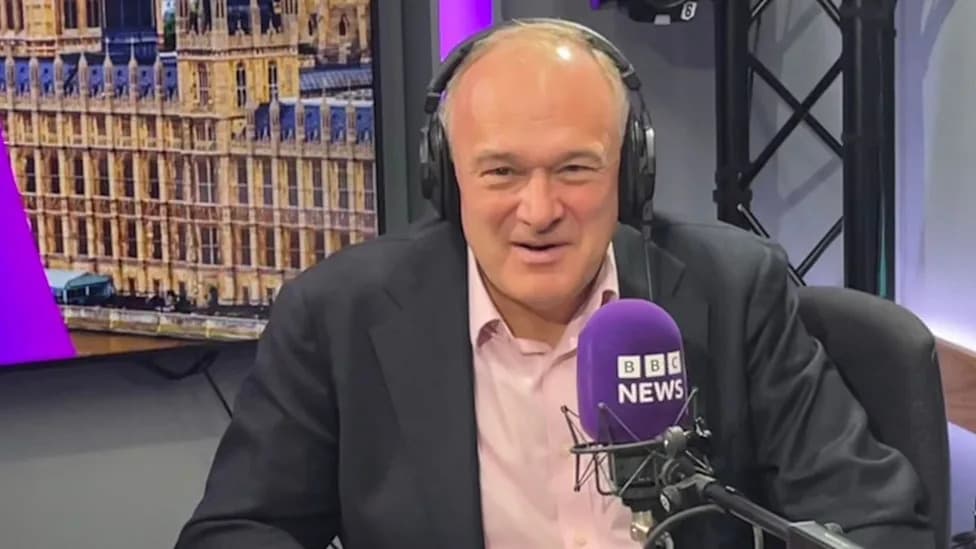
Key names: Lib Dem leader Ed Davey; commentators suggest potential electoral beneficiaries could include Kemi Badenoch and Nigel Farage.
Help us improve.