Two recent attacks — one at Temple Israel in West Bloomfield, Michigan, and another at Old Dominion University in Norfolk, Virginia — were stopped by on-site security and bystanders rather than by waiting for police. Training, prior preparedness and rapid action limited casualties: the synagogue attack ended after guards engaged the assailant and his vehicle caught fire; at Old Dominion, students subdued the attacker, though an instructor was killed. The incidents highlight rising ideologically motivated violence and argue for responsible personal preparedness, quality training and situational awareness.
Recent Attacks Highlight Why Personal Preparedness Matters — Lessons From Two Stopped Incidents
Recent Shootings Are a Wake-Up Call To Take Responsibility for Your Own Defense
My son spent last week at Gunsite Academy in Arizona training in defensive pistol use. The timing of his course felt especially relevant after two separate, terrorist-style attacks on the same day were stopped by people at the scene who acted immediately rather than waiting for police.
Most of us prefer not to imagine such scenarios. Yet when an individual chooses to target strangers, those nearby can quickly become the only people available to defend themselves and others. The two incidents below underscore how training, preparedness and decisive action by bystanders and security personnel can prevent far worse outcomes.
Temple Israel, West Bloomfield, Michigan
The attacker, identified as Ayman Ghazali, drove a truck loaded with incendiary materials into the synagogue and down an interior hallway where more than 100 children were attending school activities. According to FBI Special Agent Jennifer Runyan, "At approximately 12:20, Ghazali's vehicle gets jammed between hallway walls and he begins firing through the windshield of his vehicle. Ghazali and the first security officer engage in a gunfight through the rear window of Ghazali's vehicle... At approximately 12:22 p.m., a second security officer engages Ghazali..."
Security officers exchanged fire with the attacker, the vehicle became engulfed in flames, and Ghazali ultimately died from a self-inflicted gunshot wound. Aside from light injuries to the synagogue’s director of security and fire damage, Temple Israel avoided far greater harm — a result attributed to prior preparations and immediate action by trained personnel.
Old Dominion University, Norfolk, Virginia
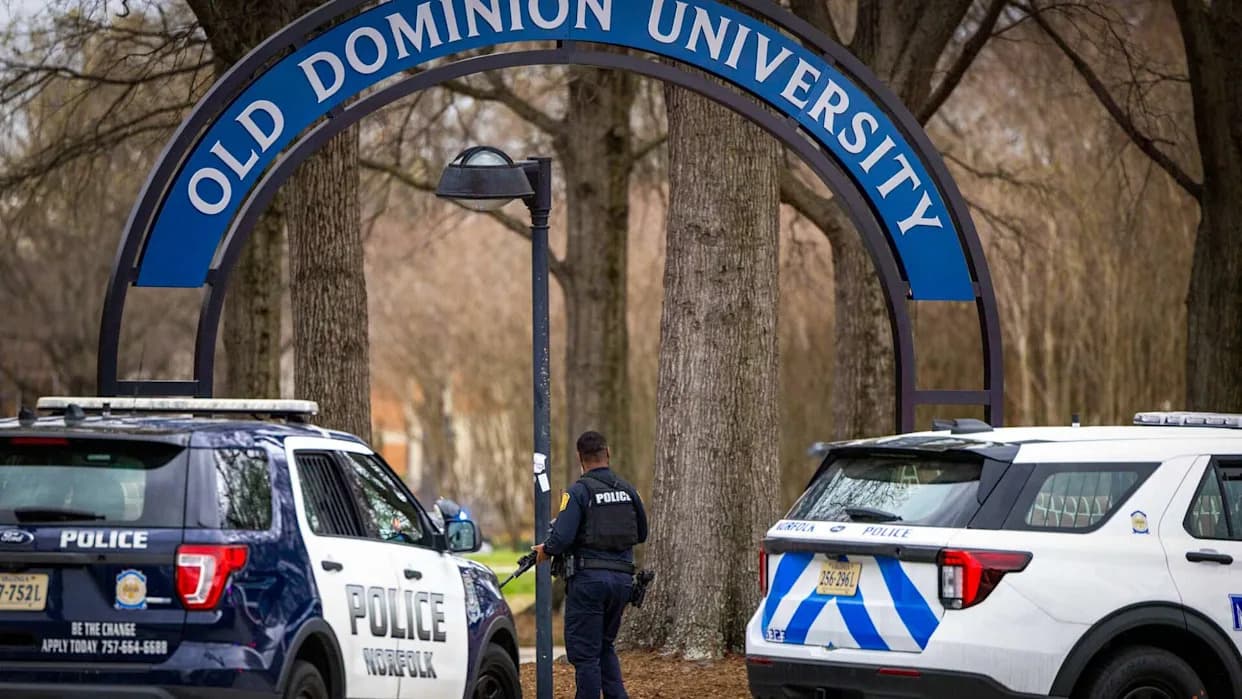
At Old Dominion University, U.S. Army Lt. Col. Brandon A. Shah was killed while teaching an ROTC class. Two others were hospitalized with injuries. FBI Special Agent Dominique Evans reported, "There were students that were in that room that subdued him and rendered him no longer alive... they basically were able to terminate the threat." According to reports, an ROTC student used a knife to stop the attacker, Mohamed Bailor Jalloh, who witnesses say shouted slogans as he carried out the assault. Jalloh had been released from prison in December 2024 after serving time for attempting to provide material support to ISIS.
Why Preparation Mattered
Temple Israel had recently participated in an FBI training exercise and maintained security personnel on site. ROTC students receive training and discipline that likely helped them respond under pressure. These incidents illustrate that drills, training and mindset can make the difference between a contained event and a mass-casualty incident.
Both attackers reportedly had Islamist links: Ghazali’s brother was reported to have been a Hezbollah commander killed in an airstrike, and Jalloh had a criminal history tied to extremist support. While violent crime in general has trended downward over decades, ideologically motivated and political violence of various kinds has been rising in visibility and frequency.
Policy, Practicality and Individual Responsibility
University and institutional weapon bans — like Old Dominion’s prohibition on weapons and knives over a certain length — do not always prevent attackers from obtaining arms illegally or from carrying out violence. In the wake of the Old Dominion attack, Norfolk Commonwealth’s Attorney Ramin Fatehi called for tighter gun restrictions. The practical reality, however, is that immediate defense often falls to those who happen to be present.
There are many examples of on-scene intervention: synagogue guards at Temple Israel, ROTC students at Old Dominion, parishioners at Crosspointe Community Church in Wayne, Michigan, and Elisjsha Dicken at Greenwood Park Mall in Indiana. In each case, individuals at the scene acted decisively and reduced the scope of harm.
Personal Steps and a Measured Perspective
I believe preparedness is prudent. My son’s defensive pistol class builds on more than a decade of martial-arts training; my wife and I completed the same course last year and practice regularly. We have scheduled additional training through her synagogue with a private instructor. Training improves situational awareness, decision-making and the ability to act under stress — all of which are critical in rare but violent incidents.
At the same time, responsible preparedness requires balance: follow the law, seek quality instruction, practice de-escalation and safety, and understand the legal and ethical consequences of using force. Authorities may welcome or oppose armed, trained civilians; nevertheless, they cannot be everywhere at once. Being ready to protect yourself and loved ones is a pragmatic layer of resilience that complements — but does not replace — public safety and prevention efforts.
Hope is not a plan. Preparation, training and community cooperation offer a better chance of safer outcomes when violence erupts unexpectedly.
The post originally appeared on Reason.com.
Help us improve.