Iran's ambassador to Saudi Arabia told Reuters that Gulf relations require a "serious review" amid the U.S.-Israeli campaign, urging reduced dependence on external powers and closer regional cooperation. He denied Tehran's involvement in recent attacks on Saudi oil infrastructure and said Iran has targeted U.S. and Israeli interests. The Gulf has reportedly suffered more than 2,000 missile and drone strikes since February 28, fueling regional frustration with the U.S. and prompting continued diplomatic contact between Riyadh and Tehran.
Iran Calls For 'Serious Review' Of Gulf Ties, Denies Role In Attacks On Saudi Oil
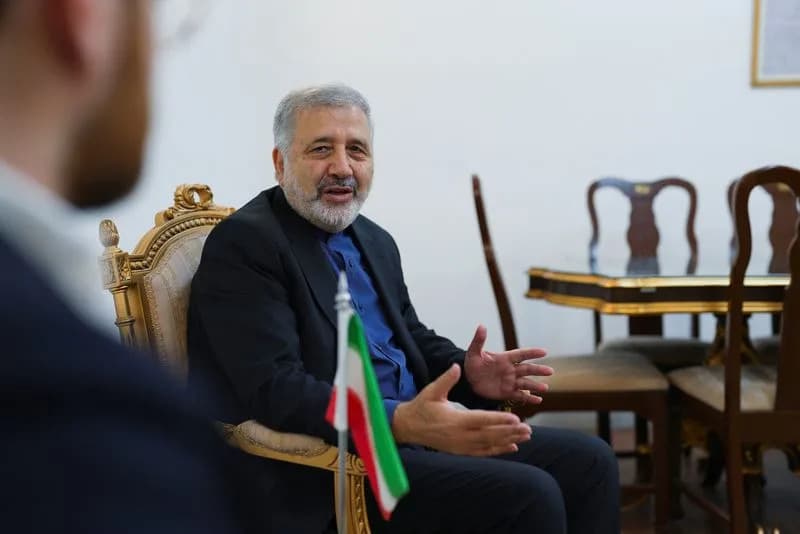
Iranian ambassador to Saudi Arabia, Alireza Enayati, speaks to Reuters during an interview in Riyadh, Saudi Arabia, March 12, 2026. REUTERS/Mohammed Benmansour
RIYADH, March 15 (Reuters) - Iran's ambassador to Saudi Arabia said relations between Tehran and Arab Gulf states will require a "serious review" in the wake of the U.S.-Israeli campaign against Iran, arguing that the region should reduce reliance on external powers to pursue shared prosperity.
Ambassador Alireza Enayati, in written replies to Reuters, said the question of whether the conflict would harm regional ties was "valid" and that the solution could be straightforward: "We're neighbors and cannot do without each other; we will need a serious review."
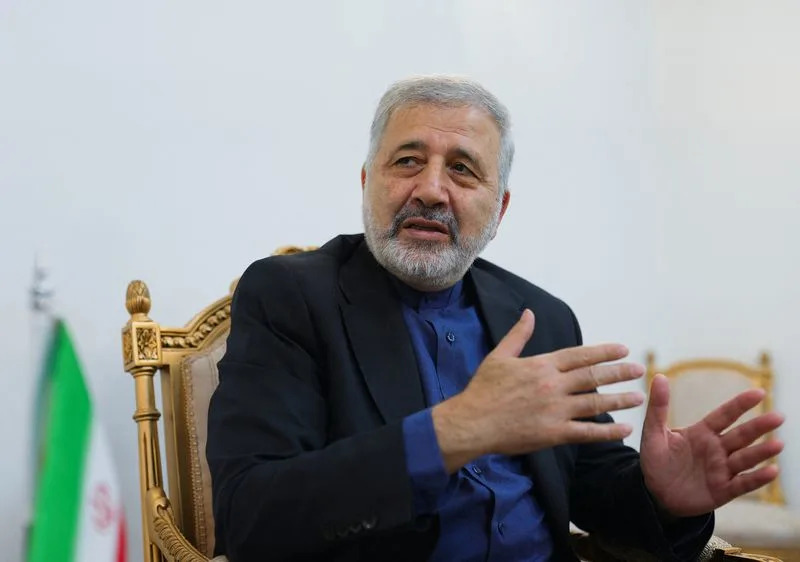
Iranian ambassador to Saudi Arabia, Alireza Enayati, speaks to Reuters during an interview in Riyadh, Saudi Arabia, March 12, 2026. REUTERS/Mohammed Benmansour
"What the region has witnessed over the past five decades is the result of an exclusionary approach and an excessive reliance on external powers," Enayati wrote, urging deeper cooperation among the six Gulf Cooperation Council members, plus Iraq and Iran.
Attacks, Impact and Allegations
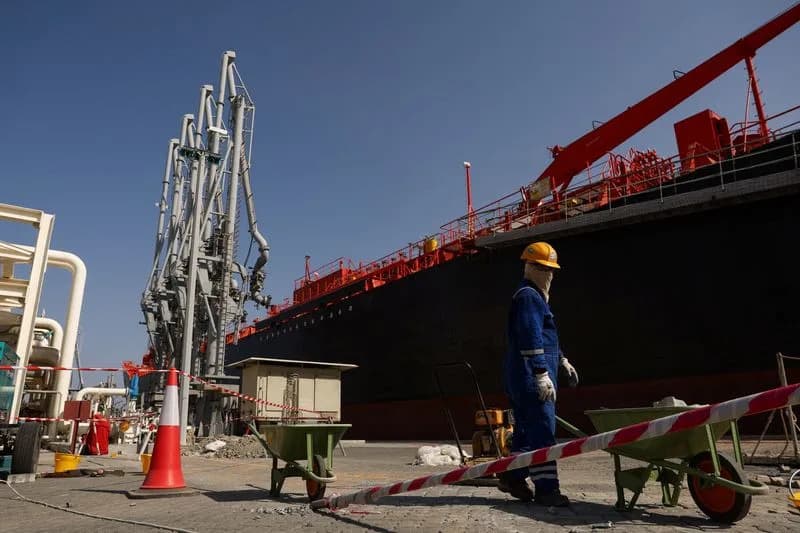
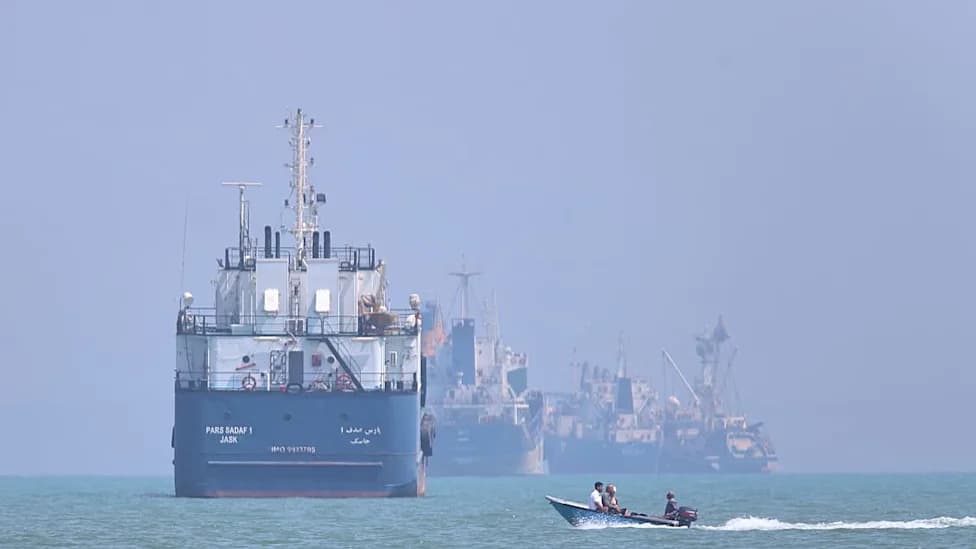
Since the outbreak of the war on February 28, Gulf Arab states have reportedly endured more than 2,000 missile and drone strikes, with targets ranging from U.S. diplomatic missions and military bases to critical oil infrastructure, ports, airports, hotels and residential and office buildings. The United Arab Emirates — which normalized relations with Israel in 2020 — has borne much of the impact, though all Gulf states have been affected and have publicly condemned Iran.
Enayati strongly denied Tehran's involvement in strikes on Saudi oil facilities, including the Ras Tanura refinery and attempted drone attacks on the Shaybah field. "Iran is not the party responsible for these attacks, and if Iran had carried them out, it would have announced it," he said, without identifying alternative perpetrators. He added that Iran's actions, he said, have been directed at U.S. and Israeli targets and interests.
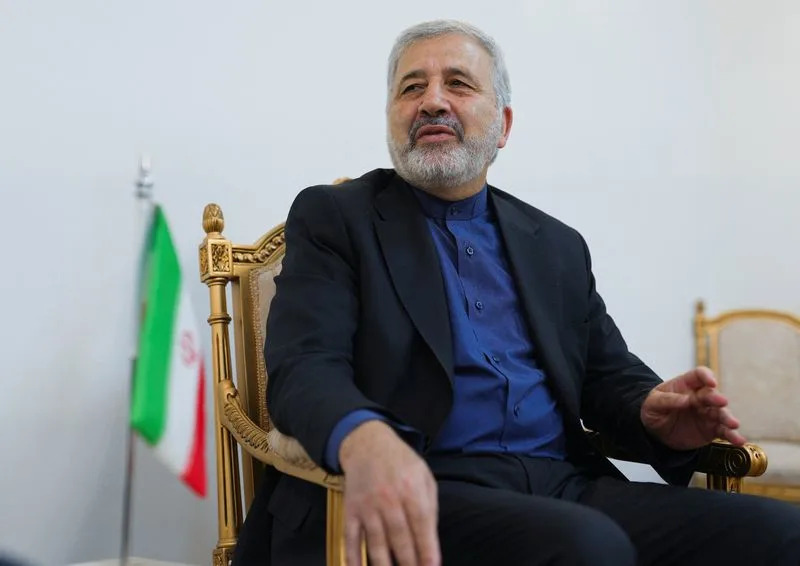
Iranian ambassador to Saudi Arabia, Alireza Enayati, speaks to Reuters during an interview in Riyadh, Saudi Arabia, March 12, 2026. REUTERS/Mohammed Benmansour
Diplomacy And Security Concerns
Riyadh and Tehran re-established full diplomatic relations in 2023 after years of rivalry during which they supported opposing factions across the region. Enayati said he remains in regular contact with Saudi officials and described bilateral ties as "progressing naturally" in several areas, noting Saudi assistance to Iranians departing after religious pilgrimage and the provision of medical help.
He also said Tehran and Riyadh were discussing Saudi assurances that its land, sea and air would not be used to attack Iran, without elaborating on the talks. Enayati framed the current fighting as imposed on the region and called for steps to de-escalate.
To resolve the conflict, Enayati urged that the U.S. and Israel halt their strikes, that regional countries refrain from involvement, and that international guarantees be put in place to prevent recurrence. "Only then can we focus on building a prosperous region," he said.
Context: Analysts and regional sources say there is growing frustration among Gulf states toward the U.S., long their security guarantor, for drawing them into a war they did not endorse and for the heavy costs they are now bearing.
(Reporting by Timour Azhari in Riyadh; Editing by Gareth Jones)
Help us improve.