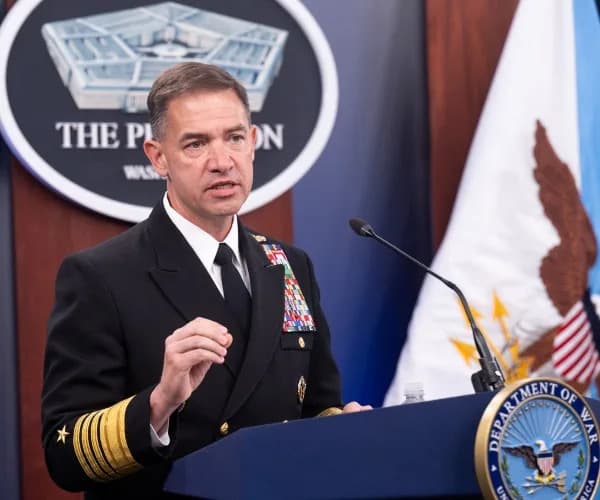
Col. Joe Buccino (Ret.) warns Iran is using massed sea mines to make the Strait of Hormuz hazardous, creating strategic uncertainty that threatens global oil flows. The mines can detonate at or below the surface and may sink or disable commercial vessels. Buccino says the threat is exacerbated by a decline in U.S. mine-countermeasure ships, while recent U.S. strikes on Kharg Island and Iranian vows to keep the strait closed have pushed energy prices higher.
Former CENTCOM Official Warns Iran Is Using Sea Mines To Threaten Strait Of Hormuz And Global Energy
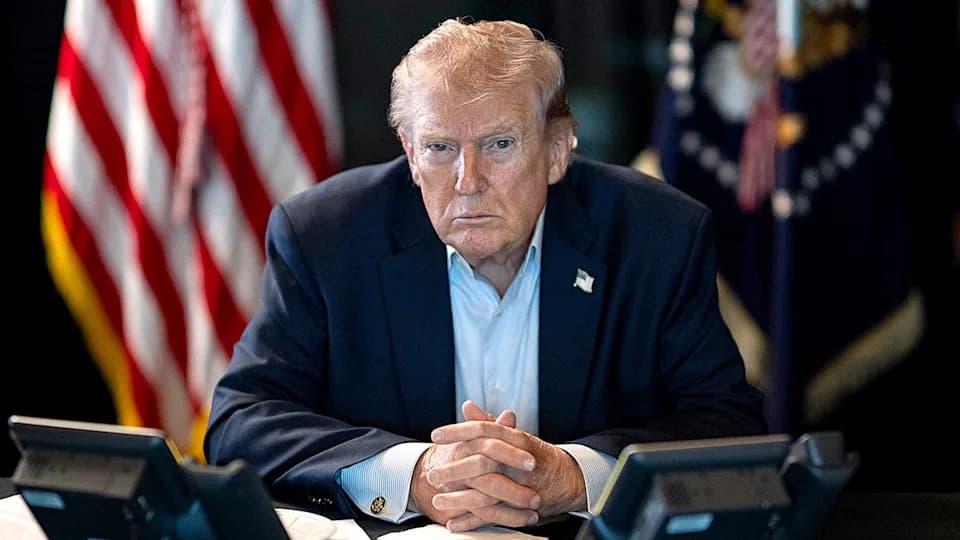
President Donald Trump sits at a table monitoring military operations during Operation Epic Fury against Iran at the White House in Washington, D.C., on March 2.(Getty Images)
A former U.S. Central Command (CENTCOM) communications director has warned that Iran’s deployment of sea mines in the Strait of Hormuz is creating a major strategic and economic threat to global energy supplies.
What’s happening
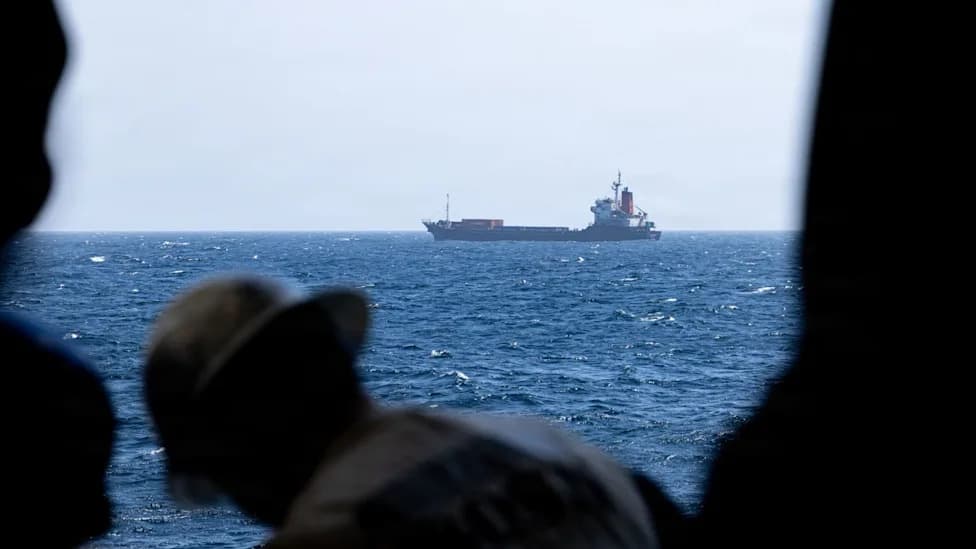
Col. Joe Buccino (Ret.) told Fox & Friends Weekend that Tehran has restricted shipping through the Strait of Hormuz in response to recent U.S. and Israeli strikes and is relying on large numbers of sea mines to make passage hazardous. Analysts cited in the original reporting say Iran may have stockpiled mines in the thousands, turning this narrow, busy waterway into a high-risk corridor for commercial shipping.
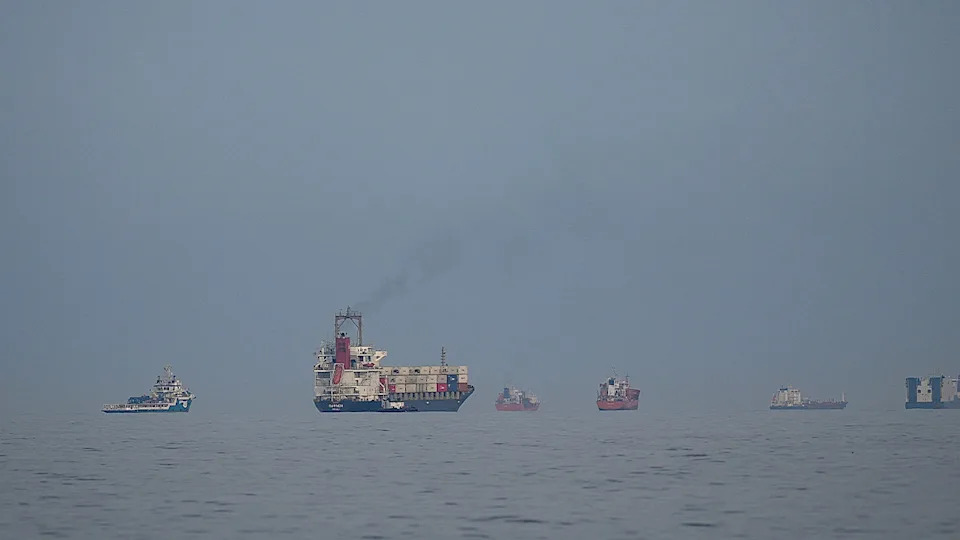
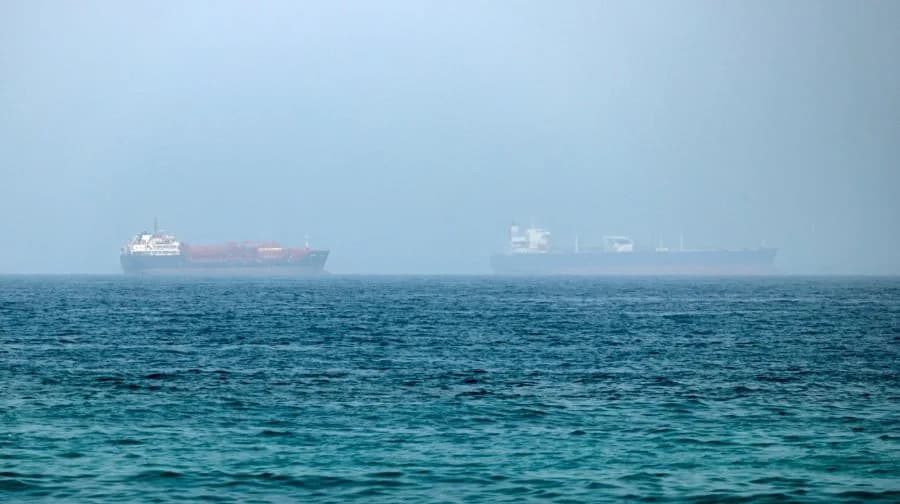
Oil tankers and cargo ships line up in the Strait of Hormuz as seen from Khor Fakkan, United Arab Emirates, Wednesday, March 11, 2026.
The threat from mines
These naval mines can detonate on the water’s surface or below it, producing explosions capable of punching holes in a hull and sinking or disabling commercial vessels. Buccino described the tactic as a low-cost, hard-to-detect form of maritime warfare that creates uncertainty and fear among shippers.
"These mines are a tool of really psychological warfare. We don't know how many are out there. We don't know where they are. And that creates fear and shuts down flow through the Strait of Hormuz," — Col. Joe Buccino (Ret.)
U.S. capabilities and strategic gap
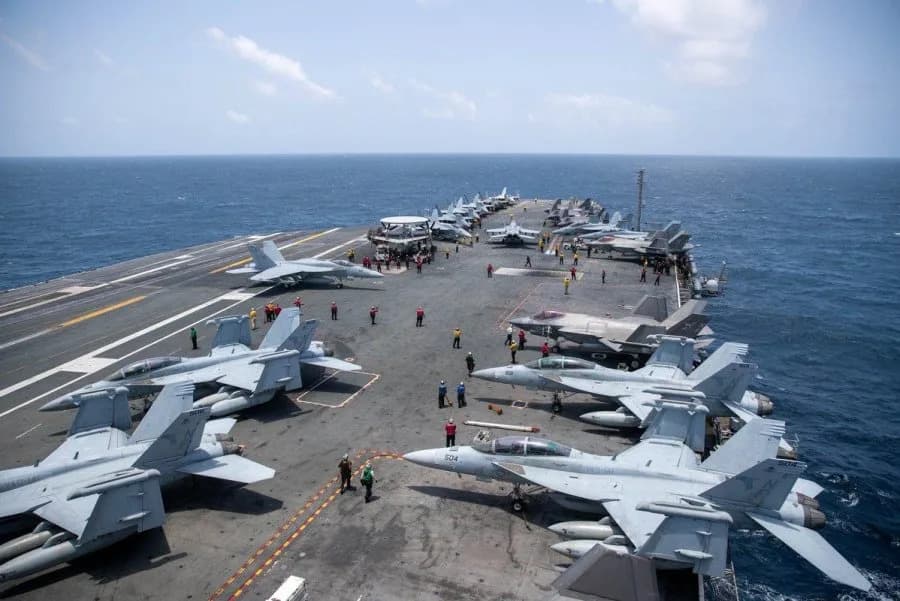
Buccino warned the threat is compounded by a reduction in U.S. mine-countermeasure forces, saying the Navy has decommissioned many dedicated mine-clearing ships. He argued Iran may be deliberately exploiting that gap, since mines are inexpensive relative to modern naval systems but can have outsized disruptive effects.
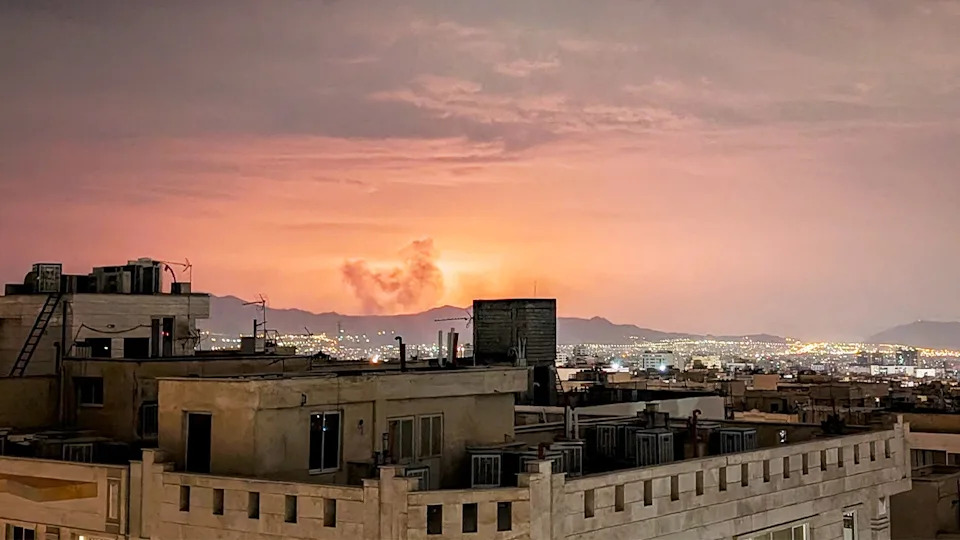
Plumes of smoke rise following reported explosions in Tehran, Iran, on March 2.
Recent strikes and political responses
On the same day, former President Donald Trump said U.S. forces struck military targets on Kharg Island, a key node in Iran’s oil infrastructure, and claimed the strikes avoided oil-processing facilities. Trump added that the United States would be prepared to escort commercial vessels through the strait if necessary.
Separately, Mojtaba Khamenei — a prominent figure linked to Iran’s leadership — issued a statement saying the Strait of Hormuz would remain closed "until the war ends" and demanded the removal of U.S. military bases from the region.
Economic impact
Disruptions in the Strait of Hormuz, which channels a significant share of global oil shipments, have already contributed to rising energy prices. The combination of physical risk, psychological uncertainty, and political brinkmanship has driven markets to price in higher risk for crude deliveries from the region.
What to watch
- Efforts by navies and commercial operators to mitigate mine risk and maintain shipping lanes.
- Any international or U.S. operations to clear mines or escort vessels through the strait.
- Further statements or actions from Tehran that affect maritime security and energy markets.
Help us improve.