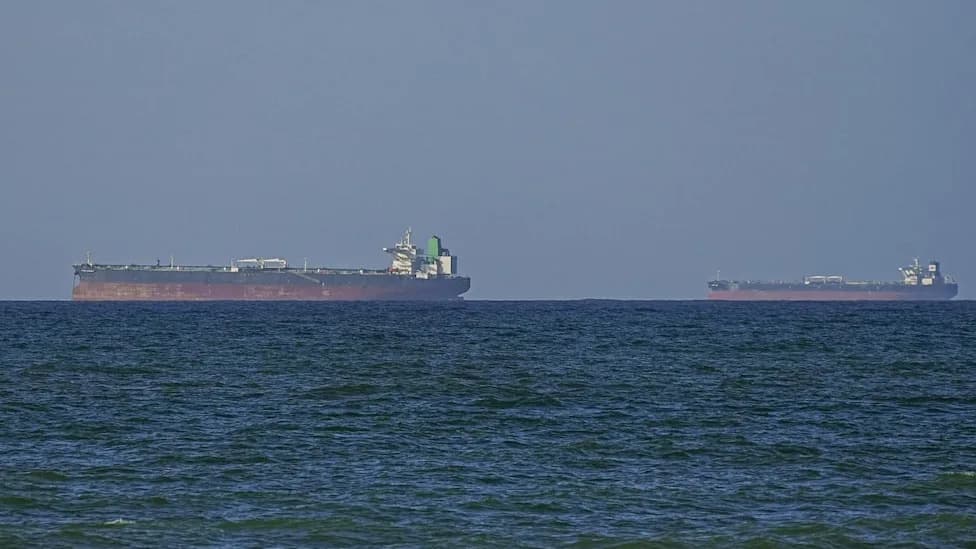
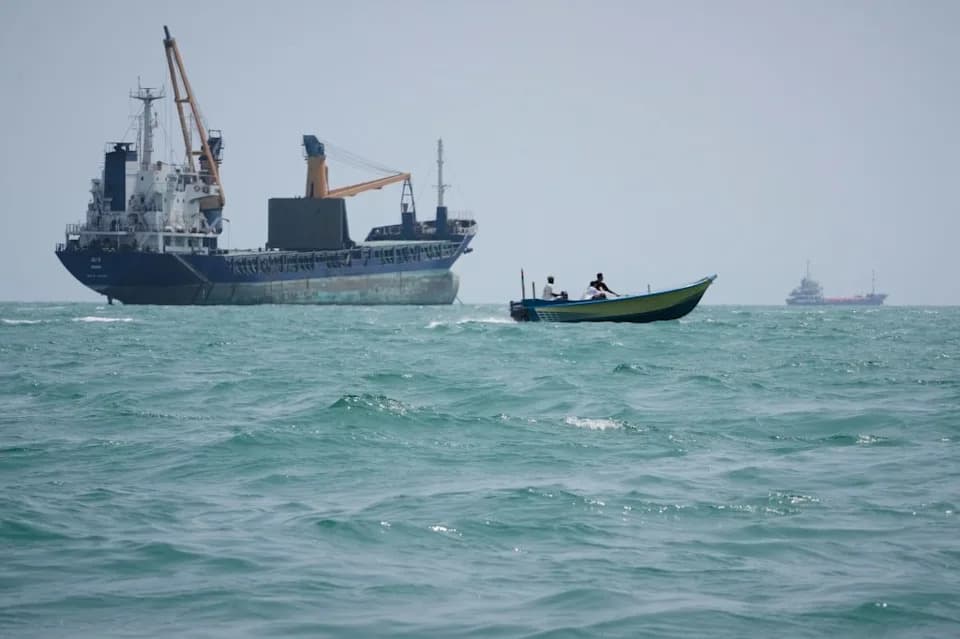
The U.S. is considering naval escorts to protect commercial oil tankers transiting the Strait of Hormuz after a recent spike in attacks tied to the U.S.-Iran conflict. Officials say escorts can begin only after degrading Iran's missiles, drones, mines and small attack craft, a process that may already be underway. Any convoy operation would involve warships, air cover, mine-countermeasures and allied partners, but would also carry substantial risk and could demand significant naval resources.
How Would the U.S. Escort Oil Tankers Through the Strait of Hormuz?
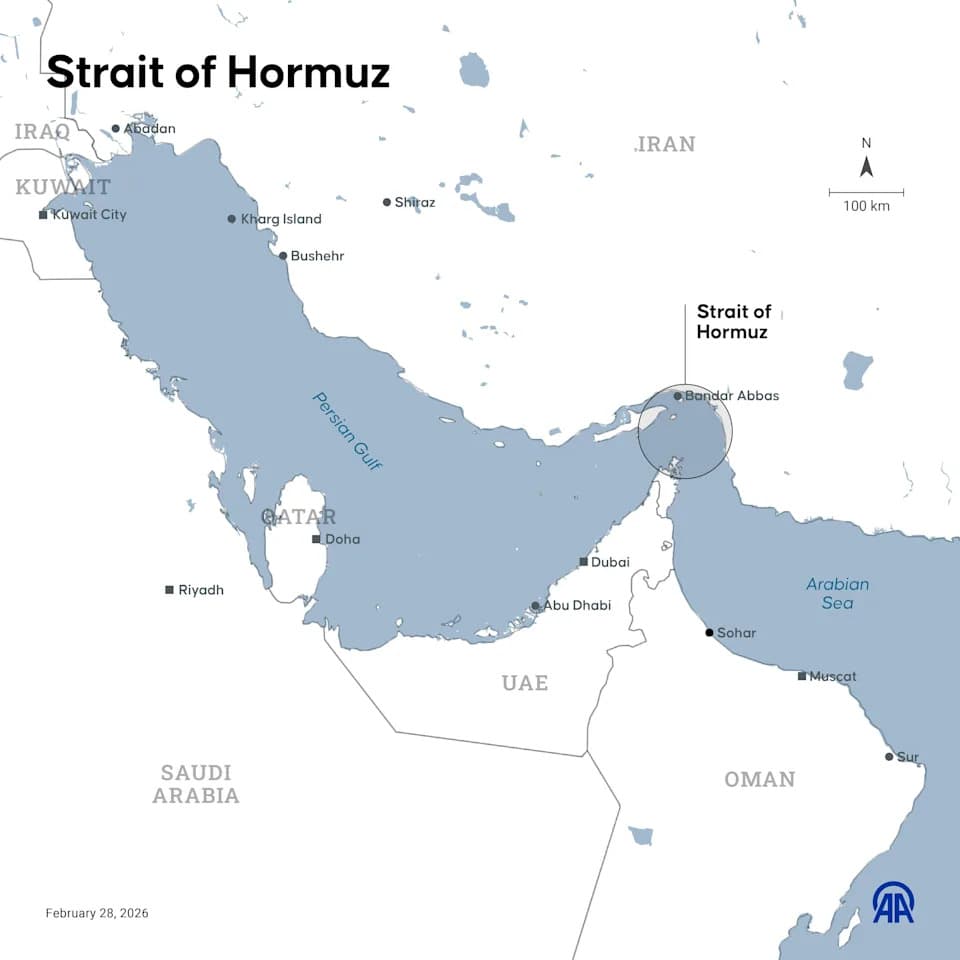
The Strait of Hormuz is a crucial passageway for oil shipments from Gulf states. / Credit: Bedirhan Demirel/Anadolu via Getty Images
With oil markets disrupted by open conflict between the U.S. (and its partners) and Iran, the Trump administration has proposed a major naval effort to escort commercial tankers through the Strait of Hormuz — a complex, high-risk operation that may already be moving from planning into early execution.
Background
Since the outbreak of direct hostilities two weeks ago, more than a dozen attacks on oil tankers and other commercial vessels have been reported in the Persian Gulf and the Arabian Sea. Iranian officials have publicly threatened ships transiting the Strait of Hormuz, the narrow waterway that links the Persian Gulf to the wider oceans.
Alarmed by the risk of strikes, many commercial tankers have largely stopped using the strait, which normally handles roughly 20% of the world’s seaborne oil trade. With shipments disrupted, some major Arab producers have trimmed output and global oil prices have surged roughly 40% in recent weeks amid fears of a supply shortfall.
Why Escorts Are Being Considered
Faced with a shipping logjam, U.S. leaders have floated the idea of offering naval escorts to commercial vessels transiting the strait, hoping military protection could restore movement and reassure markets. President Trump said the U.S. Navy and partners will escort tankers "if needed," while administration officials caution that escorts require preparatory military steps before they can safely commence.
What Needs To Happen Before Escorts Begin
Military analysts describe the mission as a two-phase effort. First, forces must "prepare the battlefield" by degrading Iran's ability to strike at sea — including reducing stockpiles and platforms for missiles, drones, mines and explosive boats. Second, once commanders judge the threat environment manageable, they could begin convoy operations escorted by warships and supported by air cover and surveillance.
U.S. Central Command has stated it struck thousands of targets in recent weeks, including anti-ship missile sites, drone production facilities and vessels used to lay mines. Officials say escorts will start "as soon as it is militarily possible," but stress that putting warships close to Iran's coast while threats remain would be risky.
How an Escort Operation Would Work
Operational planners would likely establish staging and protection zones at either end of the transit corridor, which may be limited to the strait itself or extend farther into the Persian Gulf. Commercial vessels would transit in escorted groups, with a U.S. or partner navy ship accompanying each group, supported by persistent air cover, surveillance assets, mine-countermeasure forces and a quick reaction force.
Early convoys would probably be tested and targeted. Analysts expect escorts to be used to draw fire from hostile forces so those positions can be identified and neutralized, but that approach carries clear risks to ships and crews.
Threats to Shipping
The Strait of Hormuz narrows to about 21 miles at its tightest point and is a known wartime chokepoint. Potential Iranian threats cited by military experts include naval mines, anti-ship cruise missiles, attack drones, fast-attack craft operated by the Islamic Revolutionary Guard Corps, and remote-controlled explosive boats.
Estimates of Iran's mine inventories have varied widely over time. U.S. officials say they have found no clear evidence the strait is currently heavily mined, but also warn that smaller boats could still deploy mines in limited numbers and that hidden stockpiles of missiles or drones could remain.
Challenges and Risks
Experts caution that escort operations would be dangerous and resource-intensive. A comparable mission in the 1980s required dozens of U.S. vessels and tied up significant naval assets. Analysts warn that even a few successful drone or missile strikes against escorted tankers could deter commercial operators from transiting despite military protection.
Historical Precedent
The U.S. previously escorted Kuwaiti tankers through the Strait of Hormuz in 1987 during the Iran–Iraq War. That campaign involved dozens of warships, and incidents during that period — including a mine strike on USS Samuel B. Roberts and a tragic civilian airliner shootdown — illustrate the high stakes and potential for accidental escalation.
The situation remains fluid. If escorts proceed, commanders will have to balance the need to reopen a vital shipping lane against the operational risks and potential for further escalation.
Help us improve.