The U.S. and its Western allies clashed with Russia and China at the U.N. Security Council over Iran's nuclear program, as Washington pressed to reimpose and enforce targeted measures. The council rejected moves by Moscow and Beijing to block discussion of the 1737 Committee, passing the motion 11-2 with two abstentions. The U.S. cited IAEA findings about Iran's production of uranium enriched to 60%, while Russia and China accused Washington of stoking escalation. Iran denied any weaponization intent and vowed not to accept enforced sanctions.
U.S. and Western Allies Clash With Russia, China at U.N. Over Iran Nuclear Program
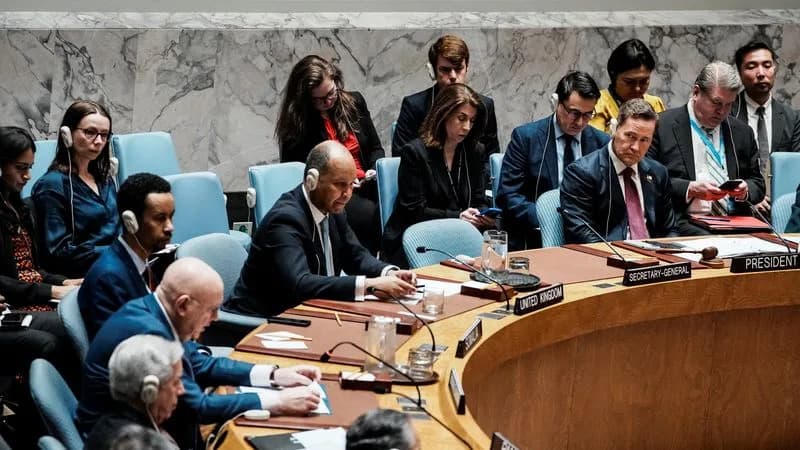
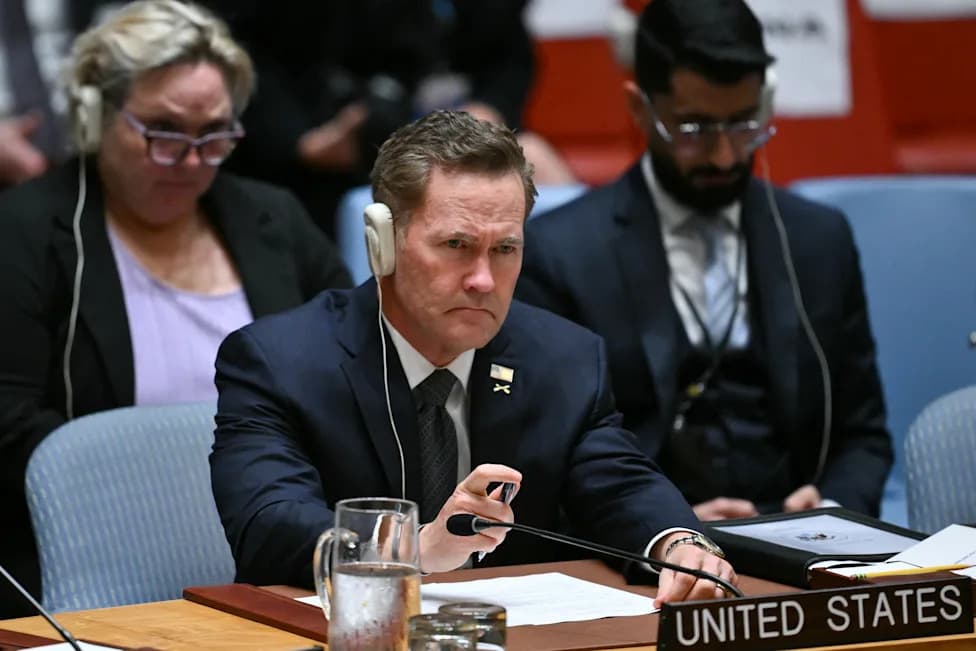
United States Ambassador to the United Nations Mike Waltz listens to Russian ambassador to the United Nations Vassily Nebenzia as he addresses the United Nations Security Council during a meeting on a sanctions resolution regarding the situation in Iran and the Middle East at U.N. headquarters in New York City, U.S., March 12, 2026. REUTERS/Eduardo Munoz
The United States and its Western allies confronted Russia and China Thursday at the United Nations Security Council over concerns about Iran's nuclear program, as Washington pressed for renewed enforcement of U.N. measures and sought to justify recent military action it says was necessary to halt Iran's progress.
At the 15-member council meeting, chaired by the U.S. this month, Russia and China tried to block a discussion about the 1737 Committee, the U.N. panel that monitors and helps enforce sanctions on Iran. The effort failed, with the council voting 11 in favor, 2 against and 2 abstentions to proceed with the debate.
U.S. Position
U.S. Ambassador to the United Nations Mike Waltz urged the council to reimpose and enforce targeted measures, including an arms embargo, restrictions on missile technology transfers and freezes on relevant financial assets. He said the measures are narrowly targeted at addressing the threats posed by Iran's nuclear, missile and conventional arms programs and its support for terrorism.
"All member states of the United Nations should be implementing an arms embargo against Iran, banning the transfer and trade of missile technology, and freezing relevant financial assets," Waltz said.
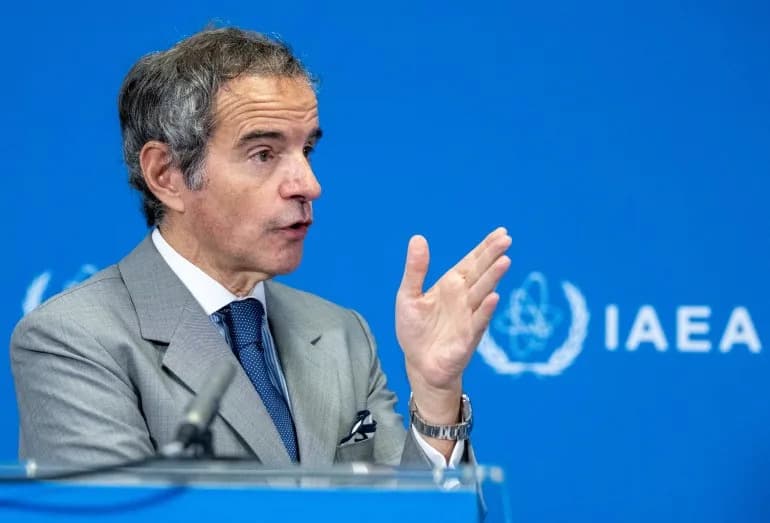
Waltz also cited recent International Atomic Energy Agency (IAEA) statements that Iran remains the only non-nuclear-weapon state known to have produced and stockpiled uranium enriched up to 60 percent, and that Tehran has denied the IAEA access to that material.
Russian and Chinese Response
Russia's U.N. ambassador, Vasily Nebenzya, accused the United States and its allies of manufacturing "hysteria" over alleged Iranian nuclear weapons ambitions that, he said, are not supported by IAEA reports. Nebenzya warned that the U.S. actions risk a further military escalation in the Middle East.
China's representative Fu Cong called Washington the "instigator" of the crisis, saying the U.S. resorted to force during negotiations and undermined diplomatic efforts.
Iran's Reaction
Iran’s U.N. ambassador, Amir Saeid Iravani, told reporters that Iran's nuclear program "has always been exclusively peaceful" and said Tehran would not recognize attempts to enforce renewed sanctions.
Other Council Members
Britain and France supported reimposing sanctions, saying Tehran had failed to address international concerns. France added that the IAEA can no longer guarantee the peaceful nature of Iran's program and said Iran's stockpile could be sufficient for approximately 10 nuclear devices.
Context and Contested Claims
U.S. President Donald Trump has pointed to Iran's nuclear activities to justify recent U.S. strikes on Iranian sites, asserting that the strikes prevented Iran from acquiring a nuclear weapon within weeks. Some sources have said that claim was not supported by U.S. intelligence assessments. The Security Council debate highlights a deep split among major powers over how to respond to Iran and how best to secure verification and transparency from Tehran.
Reporting by David Brunnstrom; editing by Don Durfee, Mark Porter and Bill Berkrot.
Help us improve.