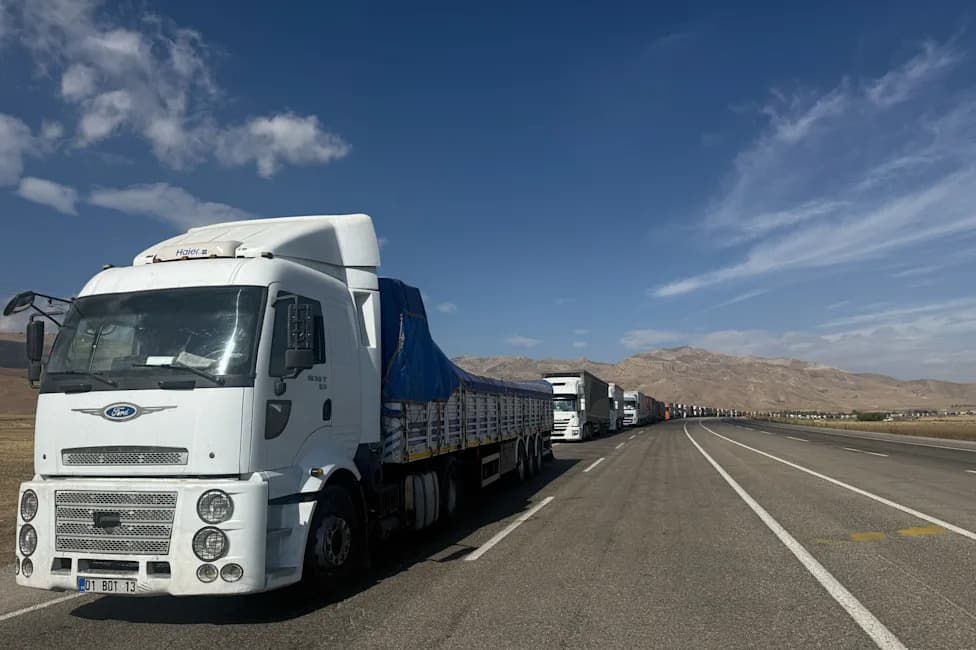
Iranian truck drivers are facing detours of more than 300 km after the closure of several Iran–Iraq border crossings following Israeli–US air strikes on February 28. Truck queues and freight flows to Tehran and Bandar Abbas have fallen sharply, disrupting food transport and livelihoods. Local services are reportedly still operating, but phone access is limited and schools remain closed until after Nowruz. Drivers describe heightened fear after nearby strikes and say communities are adapting to prolonged uncertainty.
Iran–Iraq Border Closures Force Truckers Onto 300+ km Detours, Halting Freight Flows
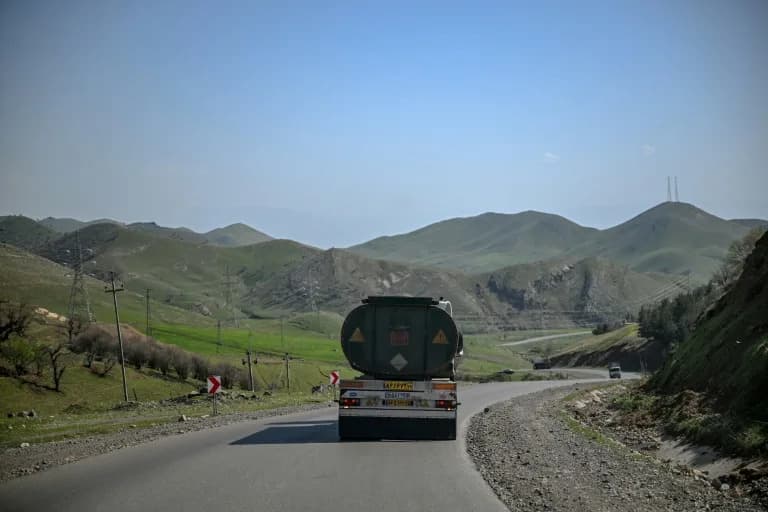
Most of the usually busy border crossings between Iraq and Iran have been shut since the start of Israeli-US air strikes on Iran (Ozan KOSE)(Ozan KOSE/AFP/AFP)
Rubbing his hands to warm them, Iranian truck driver Reza cursed the more than 300-kilometre detour he was forced to take after the war closed most of the normally busy Iran–Iraq border crossings.
A native of Piranshahr in northwestern Iran, Reza normally drives 20 minutes to the Haji Omeran crossing. That route has been shut since Israeli–US air strikes on Iran began on February 28, he said. "I waited five nights, it never opened," he told AFP from the car park on the Iraqi side of Bashmarq, another crossing further south that links Iran to Iraq's Kurdistan region.
Like other drivers interviewed, Reza spoke under a pseudonym for safety reasons. The holding area that is usually crowded with trucks was unusually quiet: near Bashmarq he saw about 20 trucks waiting, compared with the hundreds that would normally line up.
Supply Routes Disrupted, Local Life Slows
In a country already squeezed by international sanctions, the conflict has effectively halted many imports. Trucks that once departed from the north are no longer making the longer journeys to Tehran or down to Bandar Abbas, the major southern port, drivers said. Reza, who hauls foodstuffs, described falling demand and disrupted livelihoods.
"Prices have gone down, except for chicken," said Akbar Jafari, 37, from Kermanshah, a five-hour drive away. Unlike Reza, Jafari sent his family to his father-in-law's village when the strikes began, saying: "The problems are in the city centre."
Security Fears and Daily Life
Drivers and residents report growing fear as jets fly overhead. "At first, people were very afraid of the bombings, but you get used to it: the jets are constantly flying overhead, day and night," said another trucker, Zaheed, 37. Zaheed said his hometown of Mariwan, about 30 kilometres from Bashmarq, was struck and that some civilians were hit, with four reported fatalities. Many left initially, he said, but most have since returned.
"We used to live well in our town, before," Zaheed said as he climbed back into his cab.
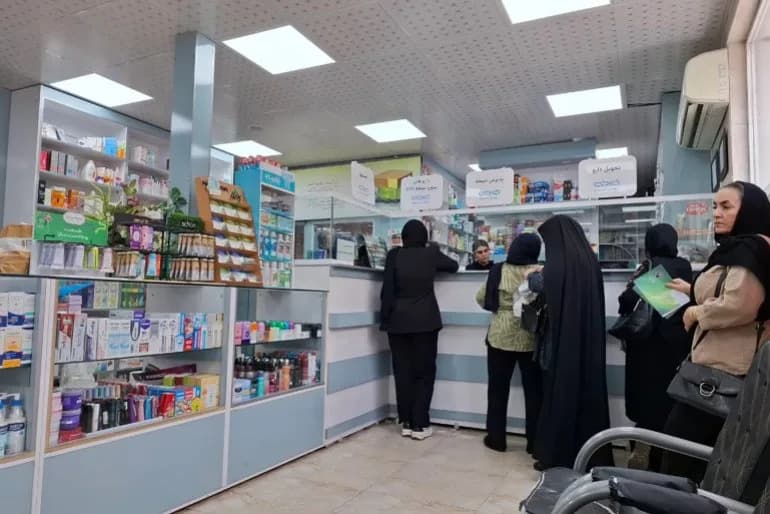
Local services such as water, gas and electricity are reported to be functioning, and phones are still working — but reportedly limited to local connections and the domestic intranet. Schools have been closed since the strikes began and were not expected to reopen until after the Nowruz break starting March 21.
Politics, Mourning, and Uncertainty
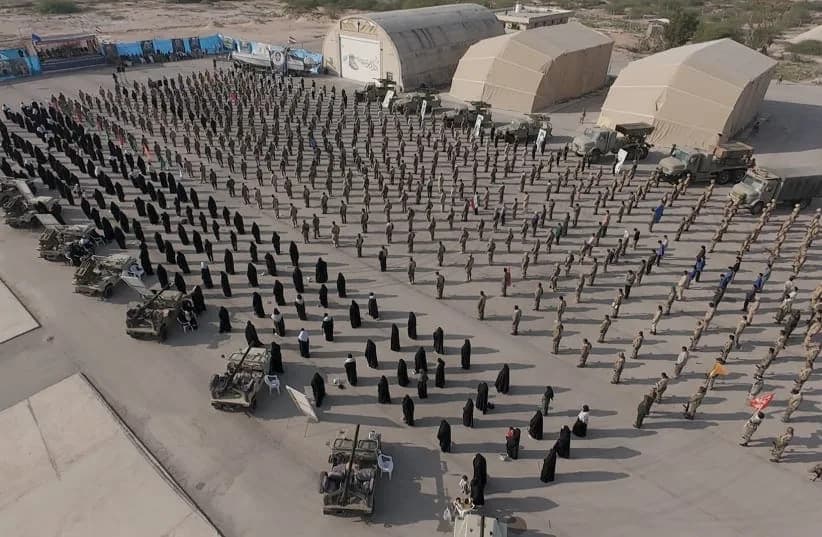
Both Jafari and Reza said they would not celebrate Nowruz: the government reportedly declared 40 days of mourning following the reported death of Supreme Leader Ali Khamenei on the first day of the war. Reza said the supreme leader's death "changes nothing" for him personally and added, "What we want is someone who truly serves the people." He also expressed a desire for the war to end and suggested that only international pressure could alter the regime.
Reports of a recent government crackdown on protests refer to rights groups' estimates that several thousand people were killed during nationwide unrest. Many Basij checkpoints that were established during the 2022 Mahsa Amini protests have reportedly been abandoned, and some forces have reduced night patrols because of fears of strikes, drivers said.
The interviews paint a picture of a transport sector and border communities adapting to long detours, declining freight flows and heightened fear as the wider regional conflict continues to disrupt daily life and commerce.
Help us improve.