During a 2026 expedition led by Tim Flannery, researchers rediscovered two tiny New Guinea marsupials thought lost for over 6,000 years: the pygmy long-fingered possum (Dactylonax kambuayai) and a newly described ring-tailed glider (Tous ayamaruensis). Both show exceptional specializations — an elongated foraging finger and a prehensile tail — and likely survive in tiny, isolated populations. The finds underscore New Guinea’s biodiversity, validate Indigenous knowledge, and signal urgent conservation needs.
Thought Extinct for 6,000 Years: Two Tiny New Guinea Marsupials Rediscovered

Possum Silhouetted against the Moon© Murray McCulloch/Shutterstock.com
Scientists have confirmed that two tiny marsupials long known only from fossils and local lore are alive in New Guinea. During a 2026 expedition to remote mountain forests, an international team led by biologist Tim Flannery documented a pygmy long-fingered possum and a previously undescribed ring-tailed glider — species that had been presumed extinct for more than 6,000 years.
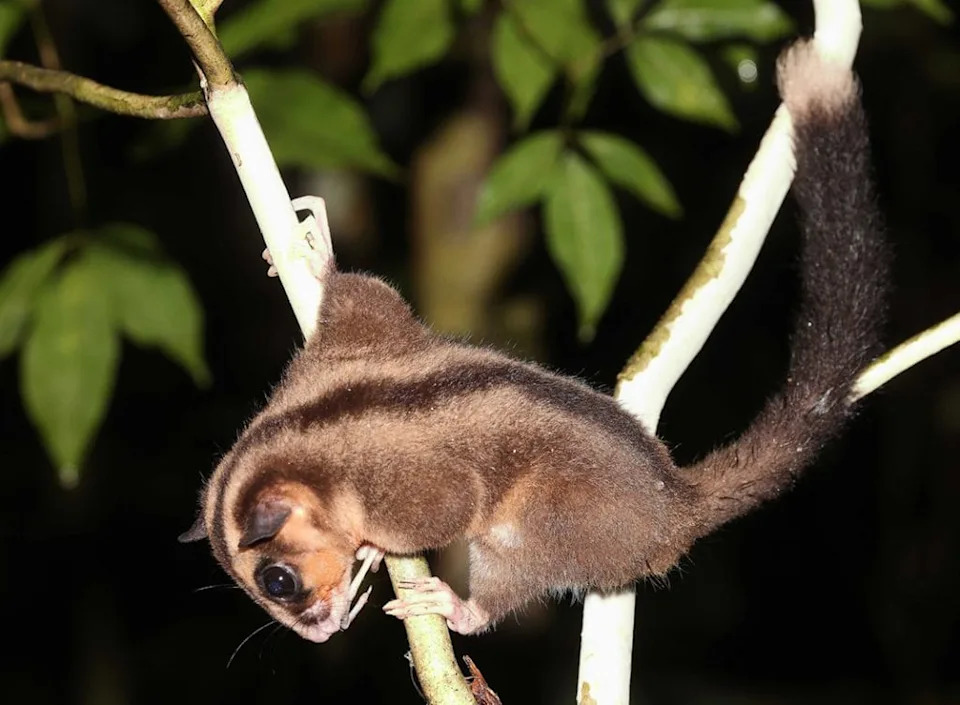
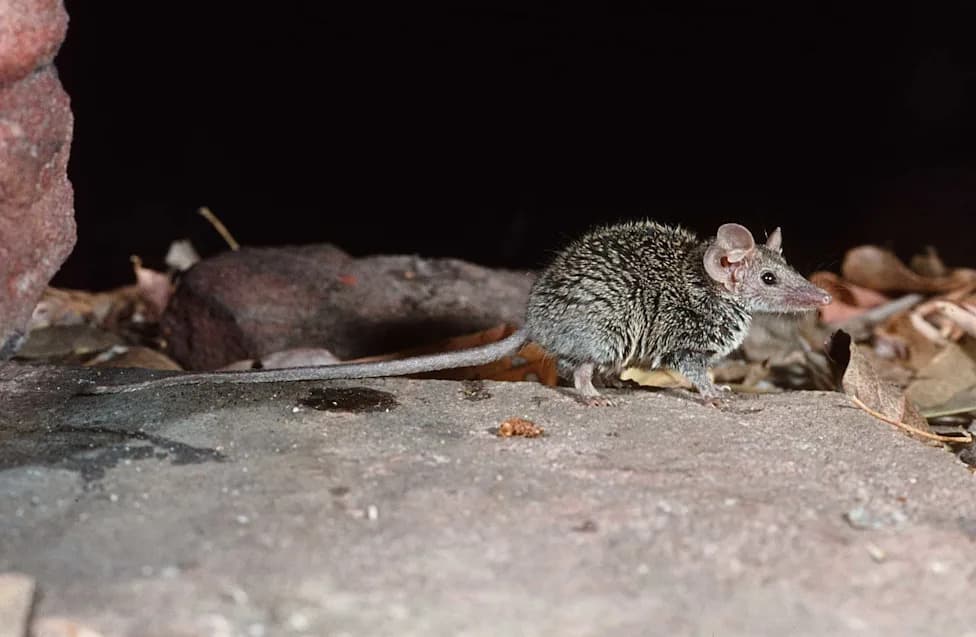
The pygmy long-fingered possum demonstrates convergent evolution with Madagascar’s Aye-aye.©Carlos Bocos / CC BY 4.0 / Wikimedia Commons –Original/License(Carlos Bocos / CC BY 4.0 / Wikimedia Commons)
A "Lazarus" Discovery
Biologists refer to such finds as "Lazarus species": taxa that vanish from the fossil or sighting record for millennia and later reappear in the wild. These rediscoveries highlight large gaps in scientific surveying, especially in rugged, little-studied regions like New Guinea, where remote pockets of habitat can shelter lineages that survived dramatic environmental change.
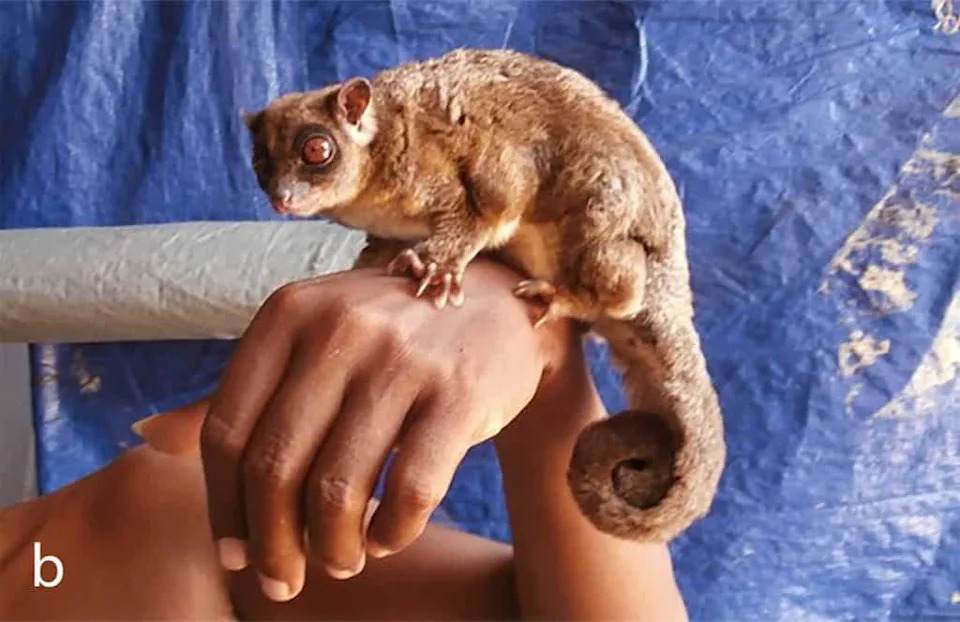
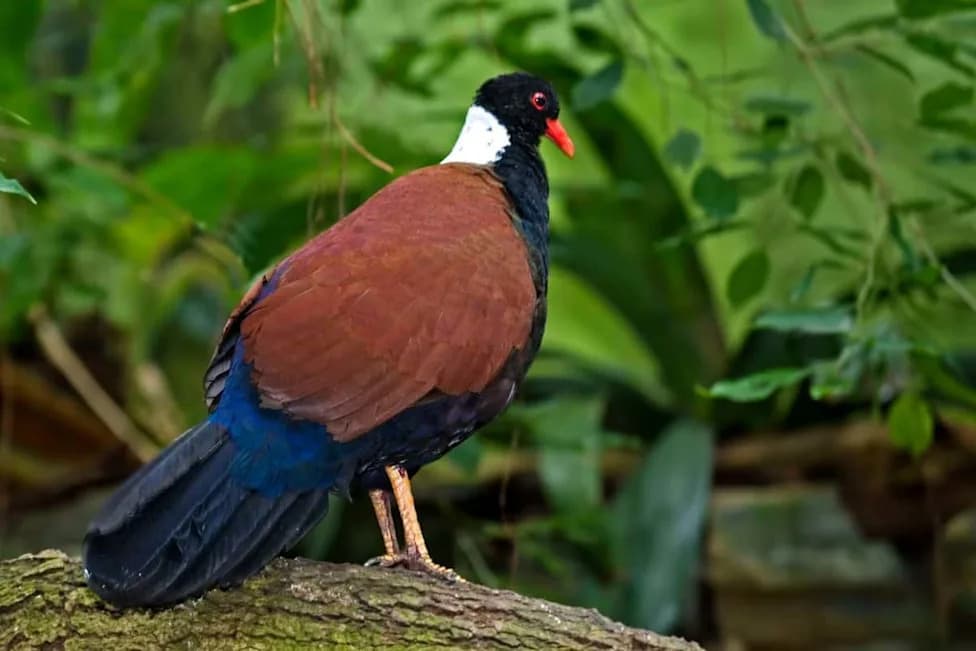
The new ring-tailed glider is closely related to the Australian greater glider.©Arman Muharmansyah in Flannery et al. (2026) / CC BY 4.0 / Wikimedia Commons –Original/License(Arman Muharmansyah in Flannery et al. (2026) / CC BY 4.0 / Wikimedia Commons)
Remarkable Adaptations
The two marsupials possess striking, highly specialized traits. The pygmy long-fingered possum (Dactylonax kambuayai) weighs about 0.44 lb (≈200 g) — no larger than a human palm — and has an extraordinary fourth finger roughly twice the length of its other digits. Researchers observed it using that finger for percussion foraging: tapping on wood to detect and extract insect larvae from cavities.

The two newly discovered species live in lowland mountain forests.©MICHAEL WORKMAN/iStock via Getty Images(MICHAEL WORKMAN/iStock via Getty Images)
By contrast, the newly described ring-tailed glider (Tous ayamaruensis) represents a previously unknown genus — the first new marsupial genus described from New Guinea in nearly 90 years. The glider weighs roughly 0.66 lb (≈300 g), lacks fur on its ears, and uses a powerful prehensile tail to grasp branches as it moves through the canopy to feed on leaves and nutrient-rich sap. Taxonomically, it appears closely related to Australia’s greater glider.
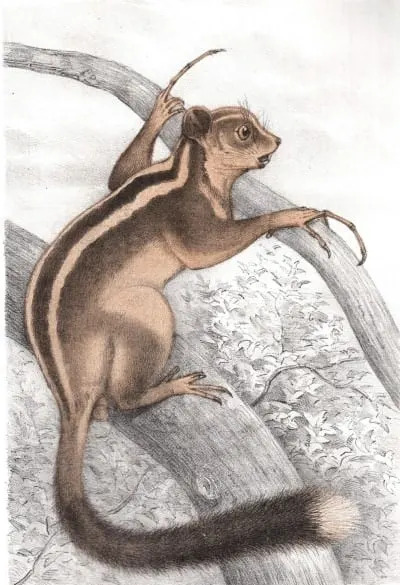
These two marsupials are extremely threatened by habitat loss.©Milne-Edwards / CC BY 4.0 / Wikimedia Commons –Original/License(Milne-Edwards / CC BY 4.0 / Wikimedia Commons)
Where They Were Found
Both species were documented in lowland mountain forests of New Guinea — terrain shaped by the collision of two tectonic plates and characterized by extreme topographic complexity. The island’s rugged mountain ranges create isolated "sky islands" that foster rapid local speciation, which helps explain New Guinea’s outsized share of global biodiversity despite its small land area.
Indigenous Knowledge and Conservation
Local communities, including the Maybrat and Tambrauw peoples, had long known about these animals and protected them through cultural practices. The ring-tailed glider, for example, carries sacred significance in some traditions. The research team emphasizes that respectful collaboration with Indigenous custodians was essential to the discovery and will be crucial for effective conservation.
Because the populations appear extremely small and geographically restricted, scientists have withheld precise locality information and are urging immediate protections to prevent habitat loss from logging and palm oil expansion, as well as to deter illegal wildlife trafficking.
Scientific Importance
Living specimens provide far richer data than fossils alone. They reveal soft-tissue anatomy, organ function, immune responses and full DNA sequences, all of which deepen understanding of evolutionary relationships and adaptive strategies. These species also lend support to the Refuge Hypothesis, which proposes that parts of the Vogelkop Peninsula and adjacent regions served as stable refuges where ancient lineages persisted while counterparts elsewhere vanished.
In short: The pygmy long-fingered possum and the ring-tailed glider are more than curiosities — they are living links to deep evolutionary history and urgent conservation priorities that underscore the value of Indigenous knowledge and protection of remote habitats.
Help us improve.