The Bank of England's decision to feature wildlife rather than historic British figures on new banknotes has reignited a debate about national identity. Supporters call the change inclusive; critics say it risks diluting the daily affirmation of human achievement that banknote portraits provide. The article compares Britain’s options with other countries' choices and suggests restoring figures like Adam Smith, Alexander Fleming or Alan Turing would better reinforce aspiration and shared values.
Banknotes Or Badgers? New Bank Of England Notes Swap National Icons For Wildlife — What That Says About British Identity

What’s inspirational about a striped pest? - Ben Birchall/PA Wire
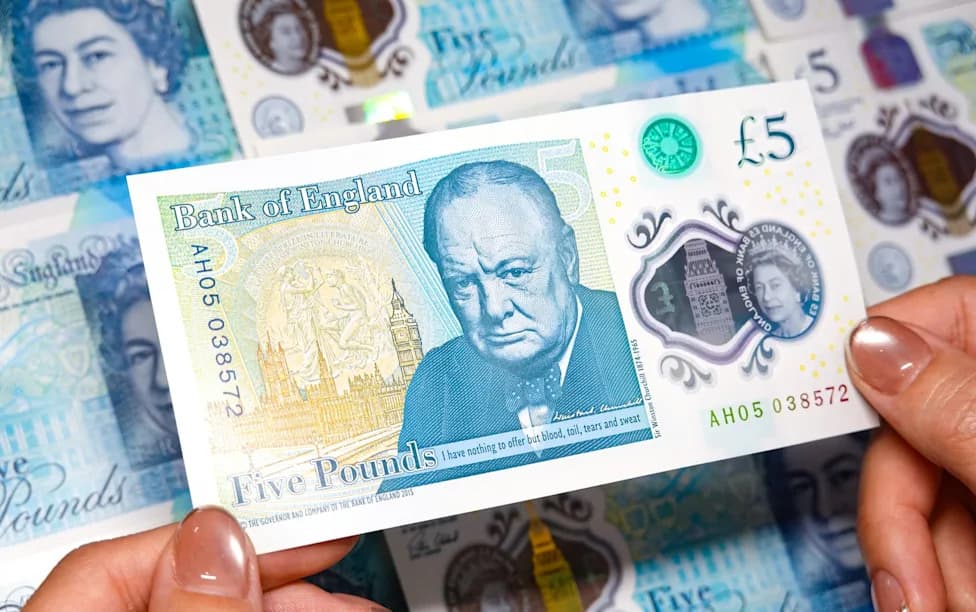
The Bank of England's plan to feature native wildlife on a new series of banknotes — replacing celebrated writers, scientists and leaders — has provoked a sharp debate about national identity. Where once the notes bore figures such as Shakespeare, Churchill, Austen, Turner, Turing and Wellington, the designs will now include badgers, puffins and red squirrels.
The change is presented as an attempt to be inclusive and to celebrate Britain's natural heritage. But critics argue it reads less like bold inclusion and more like a retreat into bland neutrality: a refusal to make the difficult choices that define a nation's story.
What Currency Says About A Nation
For decades Britain's currency deliberately highlighted individuals whose lives symbolised national values — genius, courage and creativity. That practice sent an explicit message: this is what we admire and the kind of achievement we expect future generations to pursue. Replacing those portraits with animals risks diluting that message, critics say, turning a daily reminder of human accomplishment into neutral decoration.
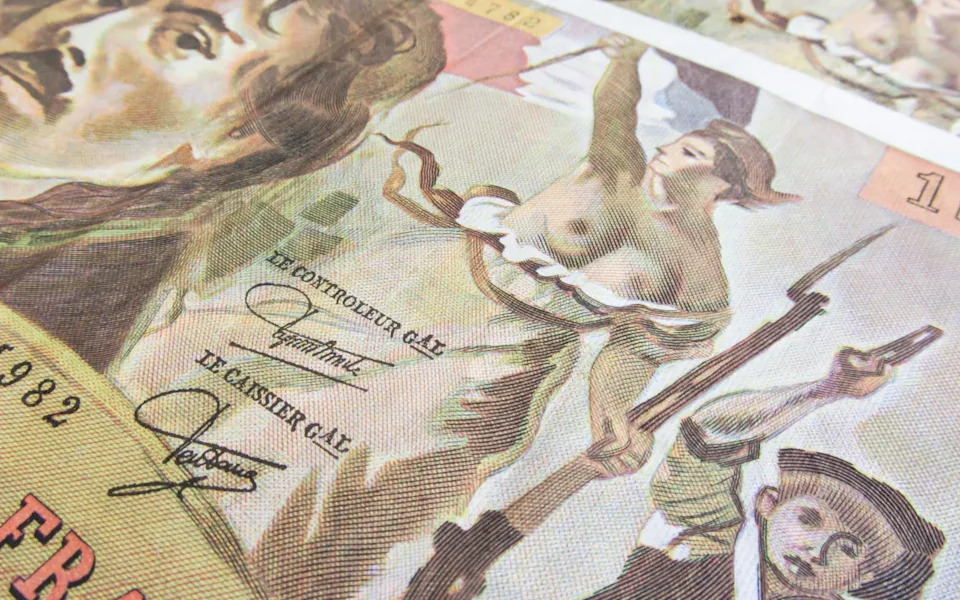
The franc served as France’s national currency from its introduction in the 14th century until 2002 - iStockphoto
"Currency is a tiny, persistent textbook of who we celebrate," a critic of the move has argued. "When the face on a note is a person, it links the citizen to a story about what is possible."
International Comparisons
Other countries have used their money to celebrate individuals and ideas. In its final decades the French franc pictured figures such as Voltaire and Pasteur, reinforcing a culture that prizes intellectual and artistic achievement. By contrast, the euro deliberately avoided national personages, opting for abstract architectural motifs; critics say those designs feel rootless and fail to inspire an attachment to a shared past.
Similarly, the United States places its founders and statesmen on coins and notes, an approach that supports a civic mythology of individual ambition and innovation — a culture that has helped spawn globally influential enterprises and technologies.
Modern Britain And The Case For People
Supporters of person-focused banknotes argue that modern British achievement offers plenty of worthy choices. DeepMind — co-founded in London by Demis Hassabis and others — has produced breakthroughs such as AlphaFold, which dramatically improved protein-folding prediction and has had a major impact on biology. The UK's scientific, literary and industrial heritage also offers figures such as Adam Smith and Alexander Fleming as powerful symbols of ideas that changed the world.
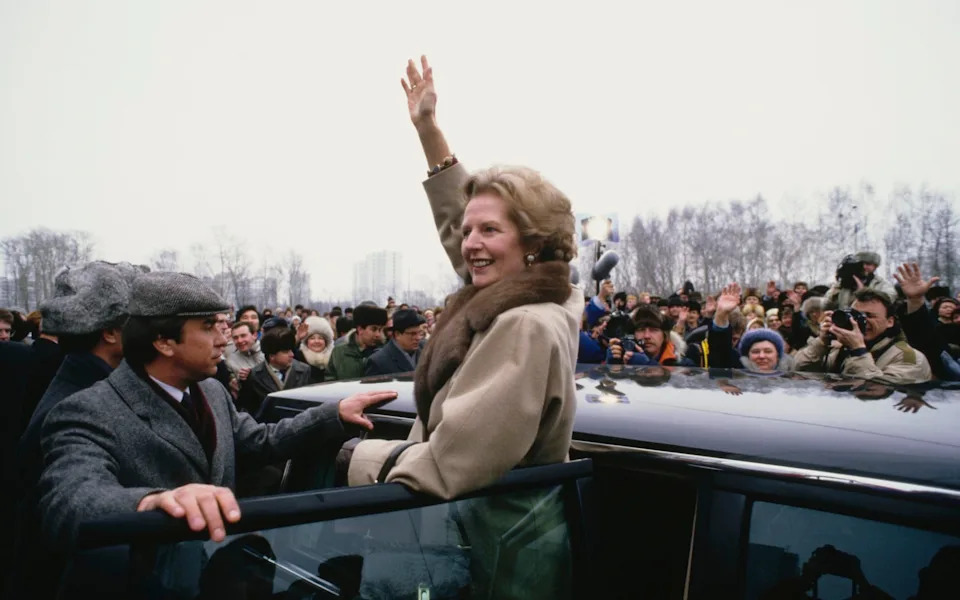
Is Margaret Thatcher not a name to aspire to? - Derek Hudson/Getty Images
Alan Turing, who appears on the current £50 note, is often singled out: his contributions to codebreaking and the foundations of computing make his portrait a daily prompt of what a life of intellect and service can achieve. Critics worry that swapping such figures for animals severs an important link between citizen and national story.
Why It Matters
Banknotes are small but persistent civic texts. They help teach children and adults alike about the people and events a nation values. If those reminders fade, so the argument goes, the sense of shared purpose and aspiration may weaken — not overnight, but gradually, through lost opportunities to inspire.
Whether one prefers wildlife or human figures on currency depends on what you think money should say about a country. But this debate touches on a larger question: do we want our public symbols to celebrate the accomplishments that have shaped our collective life, or to avoid any expression of contested identity in favour of neutral imagery?
The Bank's decision will be read not just as a design choice but as a statement about how Britain sees itself — and what stories it wants future generations to inherit.
Help us improve.