South Africa summoned new U.S. Ambassador Leo Brent Bozell III after he publicly criticized Pretoria's ties with Iran and its affirmative action and land-expropriation policies. Bozell apologized in a meeting with officials but has stood by a personal condemnation of a court ruling on an apartheid-era chant. The incident comes amid a broader diplomatic rift between Washington and Pretoria that observers say is the worst since the end of apartheid.
South Africa Summons New U.S. Ambassador After Public Criticism as Diplomatic Rift Worsens
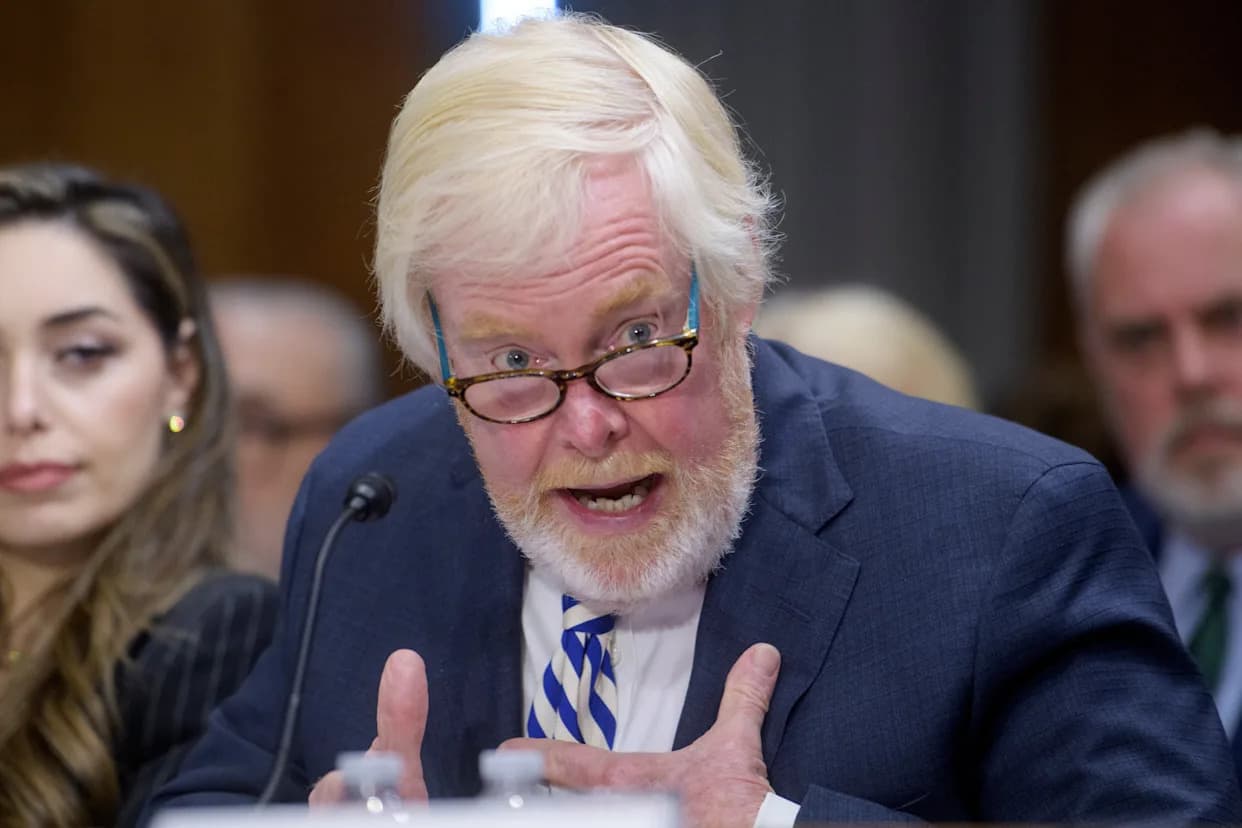
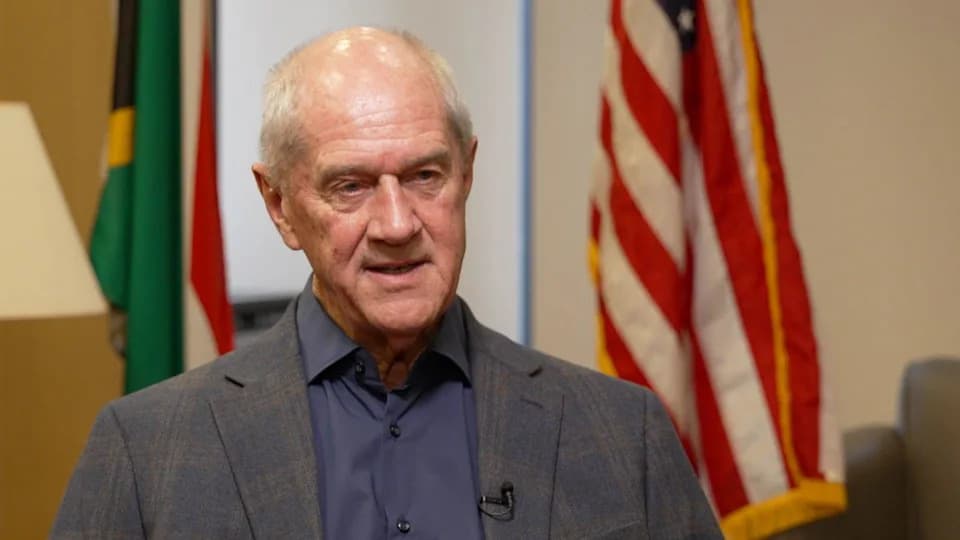
FILE - Leo Brent Bozell III appears before a Senate Committee on Foreign Relations hearing on his pending nomination to be Ambassador Extraordinary and Plenipotentiary of the United States of America to the Republic of South Africa, on Capitol Hill, Thursday, Oct. 23, 2025, in Washington. (AP Photo/Rod Lamkey, Jr., File)(ASSOCIATED PRESS)
Johannesburg — South Africa's foreign minister said Wednesday that the newly accredited U.S. ambassador, Leo Brent Bozell III, was summoned to explain public remarks that have deepened an already tense diplomatic rift between Pretoria and Washington.
What Happened
Ambassador Bozell was called in after comments at a business leaders' meeting in which he questioned South Africa's diplomatic ties with Iran and criticized affirmative action policies intended to benefit Black South Africans. He also urged changes to a proposed land-expropriation law that can allow the government to acquire land without compensation in certain circumstances.
Official Response
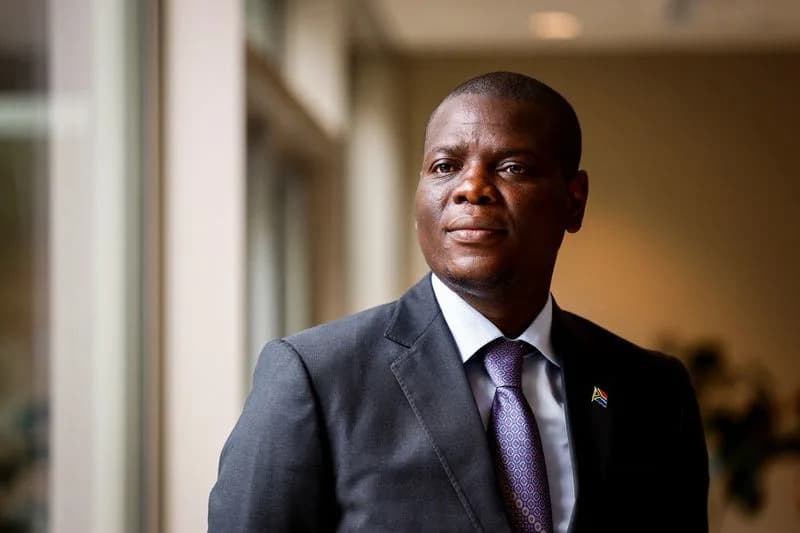
Foreign Minister Ronald Lamola stressed that while active public diplomacy is welcome, such engagements must "remain consistent with established diplomatic etiquette and international protocols." At a press briefing, Lamola said, "In this regard, we have called in the ambassador of the United States, Ambassador Bozell, to explain his undiplomatic remarks."
"While South Africa welcomes active public diplomacy and the strengthening of bilateral ties, we emphasize that such engagements must remain consistent with established diplomatic etiquette and international protocols." — Foreign Minister Ronald Lamola
Foreign ministry director-general Zane Dangor said Bozell met with officials and "apologized and expressed regret." There was no immediate comment from the U.S. government.
Contested Claims And Broader Context
Bozell, a conservative activist appointed by President Donald Trump, compared South Africa's affirmative action laws to race-based statutes from the apartheid era and criticized a court ruling that found an apartheid-era chant with the phrase "kill the Boer" did not legally qualify as hate speech. At the roundtable he said, "I am sorry, I don't care what your courts say, it's hate speech." He later posted on X that the comment reflected his personal view and affirmed that "the U.S. government respects the independence and findings of South Africa's judiciary."
The dispute comes amid a wider deterioration in ties since Trump returned to office, with relations described by observers as the lowest since the end of apartheid in 1994. The Trump administration has pursued several punitive steps toward South Africa, including expelling South Africa's ambassador to Washington last year and excluding the country from certain U.S.-hosted G20 meetings.
This episode highlights deep disagreements over foreign policy and domestic issues, and underscores the diplomatic sensitivities that accompany public criticism by accredited envoys.
Reporting contributed by AP correspondent Imray in Cape Town.
Help us improve.