South Africa summoned US ambassador Brent Bozell for the third time since his arrival, after he published a critical opinion piece and gave a series of interviews. The summons comes amid broader diplomatic strains over South Africa's legal action related to Israel, land reform and black economic empowerment laws, and claims about Afrikaner persecution. Washington has imposed visa restrictions and launched a programme for some Afrikaners; both governments say talks continue despite sharp differences.
South Africa Summons US Ambassador For Undiplomatic Conduct — Third Reprimand in Nine Months
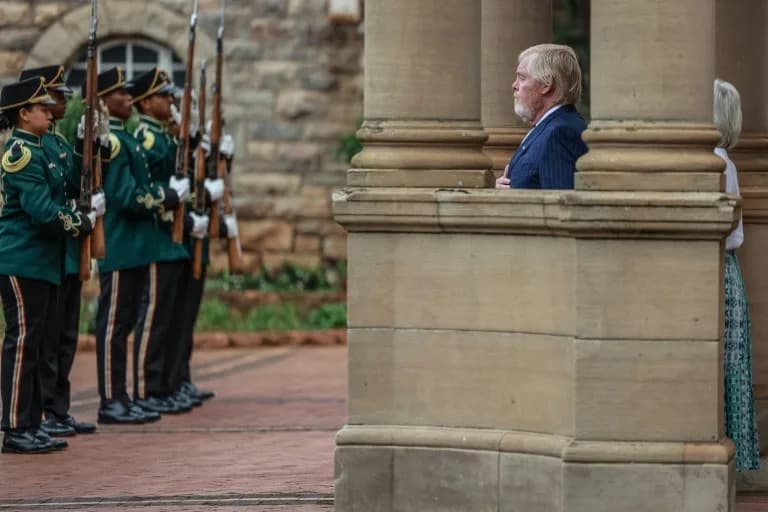
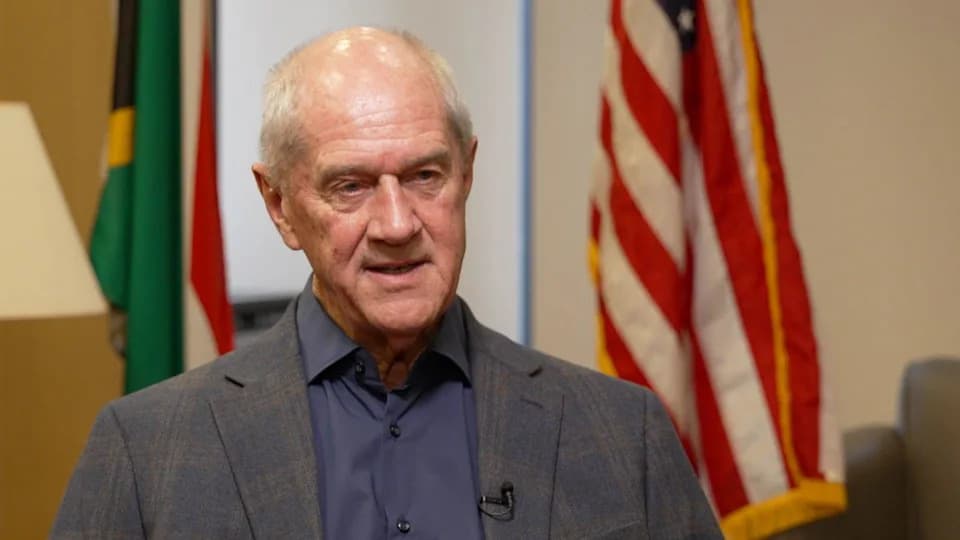
Conservative Brent Bozell took up his post as US ambassador to South Africa in February (Phill Magakoe)
South Africa's foreign ministry summoned United States ambassador Brent Bozell on Tuesday to demand an explanation for what officials described as "undiplomatic conduct," marking the third formal demarche since he took up his post nine months ago, a senior ministry official told AFP.
Tensions and the Trigger
Conservative envoy Brent Bozell, who arrived in February after Senate confirmation in December, was called in the day he published a strongly worded opinion piece accusing Pretoria of "hostility" and after a series of critical interviews with local media. The foreign ministry said the meeting was to address his public comments; it did not specify which remarks prompted the latest reprimand.
"It was the third demarche since he started his duties nine months ago. This is a record," a senior foreign ministry official told AFP.
Roots of the Diplomatic Rift
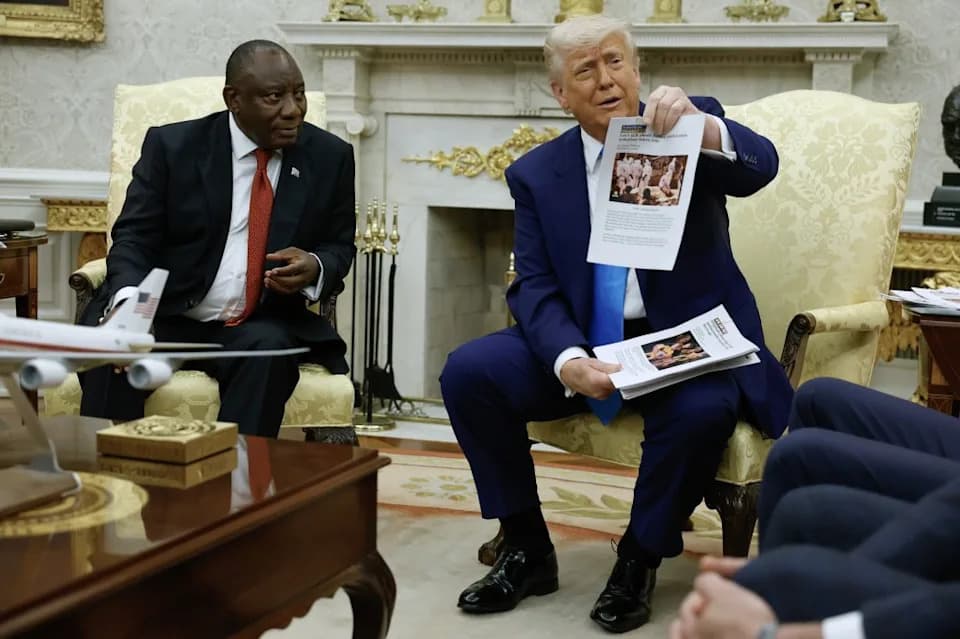
Relations between Washington and Pretoria have been strained by a number of disputes, including South Africa's legal action concerning Israel, debates over land reform and black economic empowerment laws, and contested claims that white Afrikaners face persecution. In mid-September, the US announced visa restrictions on South Africans it accused of promoting "race-based discrimination, inciting violence, or enabling land confiscation without compensation" — measures tied to the same domestic issues at the center of bilateral tensions.
Bozell also reiterated US calls for President Cyril Ramaphosa to condemn the anti-apartheid chant "Kill the Boer," which some critics say can be read as a call to violence against minority white Afrikaners. The chant is controversial and used rarely by a small, radical faction; South African courts have ruled it does not automatically constitute hate speech and must be judged in its historical and political context.
Previous Demarches and Wider Context
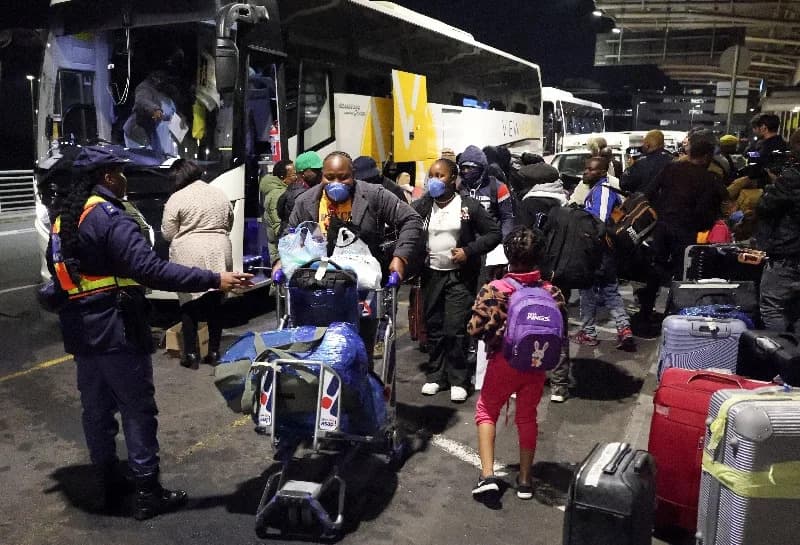
Bozell was first summoned in March, just three weeks after his arrival, and again earlier this year — making Tuesday's meeting the third formal diplomatic reprimand. Bilateral tensions further escalated after the 2016-2020 period when US-South Africa relations soured under former US President Donald Trump: US aid was cut, the South African ambassador was expelled, and Trump publicly berated President Ramaphosa over widely discredited claims of a "white genocide." The US also launched a programme last year to admit some white Afrikaners who say they face persecution or rural crime in South Africa.
Trade and Dialogue
Despite the disputes, both governments stress that dialogue continues. "Differences between the two nations are a subject of ongoing discussions," the foreign ministry official said, adding there is a commitment from both sides to resolve outstanding matters. The United States remains South Africa's largest African trading partner, with more than 500 US businesses operating in the country and approximately 30,000 US citizens living there.
In his opinion piece on the US embassy website, Bozell warned that Washington had "run out of patience" with Pretoria and described continued dialogue as a "useless proposition" if it produced no results. He listed US requests including greater emphasis on rural crime, and alternatives to black-equity rules in sectors such as telecommunications and mining.
South African officials have repeatedly rejected what they see as US interference in sovereign domestic policy decisions. The latest demarche underscores the diplomatic strains but both sides say they remain committed to finding political solutions through talks.
Help us improve.